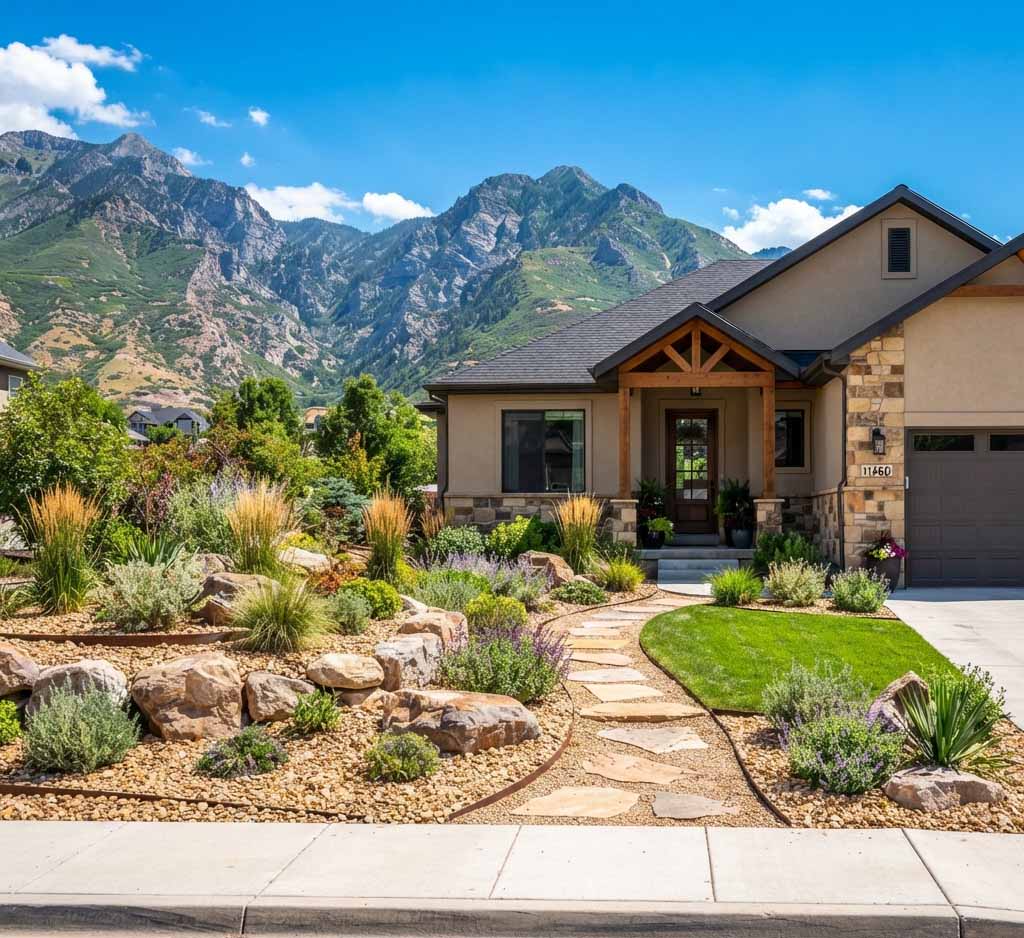
Salt Lake City’s arid climate makes dead or dying grass a genuinely common problem — but identifying the specific cause behind it, rather than guessing, is what actually determines the right path back to a healthy lawn.
Diagnosing the Underlying Cause
Before starting any revival effort, it’s worth identifying why the grass actually died. Common culprits in Salt Lake City include extreme summer temperatures, insufficient or inconsistent watering, compacted soil that blocks water and nutrients from reaching roots, and fungal disease that thrives in specific moisture conditions. Addressing the wrong cause wastes both time and effort, so genuine diagnosis matters before treatment begins.
If Compacted Soil Is the Culprit
Compacted soil restricts the flow of air, water, and nutrients down to grass roots, effectively starving them even when watering seems adequate. Aeration — perforating the soil to relieve this compaction — is the direct fix, whether handled with a rented core aerator or through professional service.
If Bare Patches Are the Main Issue
Introducing new grass seed to fill bare or thinning areas rejuvenates the overall turf. Choosing a seed blend genuinely suited to Salt Lake City’s climate, and following proper seeding technique — good seed-to-soil contact, consistent moisture during germination — determines whether overseeding actually takes or fails to establish.
If Watering Practices Are the Problem
In a dry climate like Salt Lake City, watering technique matters as much as watering frequency. Deep, infrequent watering encourages roots to grow deeper in search of moisture, building genuine drought resilience, while shallow, frequent watering trains roots to stay near the surface where they’re more vulnerable to heat stress.
If Nutrient Deficiency Is the Cause
Dead or struggling grass often signals a genuine nutrient deficiency in the soil. A balanced fertilizer rich in nitrogen, phosphorus, and potassium replenishes what’s missing, and choosing a slow-release formula avoids the risk of burning already-stressed grass with too much fertilizer too quickly.
If Weeds Are Competing for Resources
Weeds compete directly with grass for space, sunlight, and nutrients, actively hindering recovery even when other revival steps are being taken correctly. A weed control program addressing this competition creates a genuinely more conducive environment for grass to recover.
Timing Revival Efforts for Success
Spring and early fall are the optimal windows for grass revival efforts in Salt Lake City — mild temperatures and higher natural precipitation support faster germination and establishment than attempting the same work during peak summer heat.
Practical Habits That Support Recovery
Monitoring soil moisture and adjusting watering accordingly avoids both the drought stress and the overwatering-related fungal issues that can each independently kill grass. Mowing with blades set to an appropriate height — taller grass shades soil, retains moisture, and encourages deeper roots — supports recovery rather than adding further stress.
Frequently Asked Questions
How do I know if my grass is dead versus just dormant?
Dormant grass typically shows some green at the crown when gently tugged and will green up with proper watering, while genuinely dead grass pulls up easily from the roots with no green remaining.
Can dead grass be revived without replacing the entire lawn?
In many cases yes — targeted aeration, overseeding, and addressing the underlying cause can revive significant portions of a struggling lawn without a full replacement.
When should I call a professional for lawn revival?
If the cause isn’t clear, or if DIY efforts haven’t produced improvement after a full season, a professional assessment can identify issues that aren’t obvious without specialized knowledge.
Preventing Dead Grass From Recurring Next Year
Once a lawn has been revived, preventing a repeat of the same problem the following year often comes down to addressing the root cause identified during diagnosis — adjusting a watering schedule permanently rather than just for the revival period, or continuing periodic aeration rather than treating it as a one-time fix.
Struggling with dead or dying grass? Contact Millburn Lawn & Landscape for expert lawn revival services in Salt Lake City.