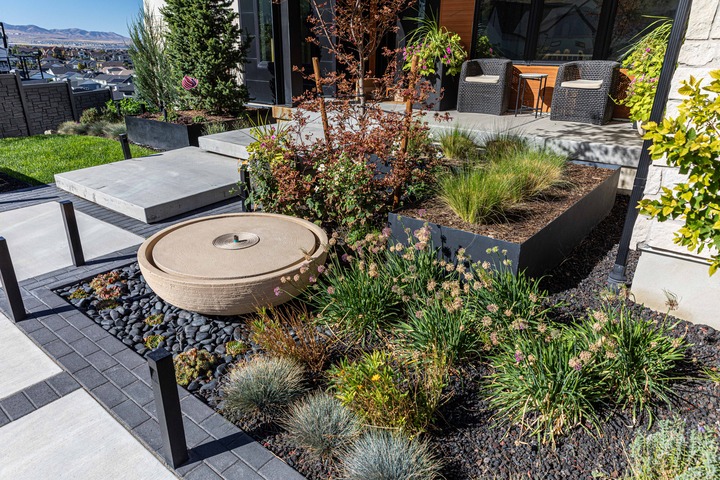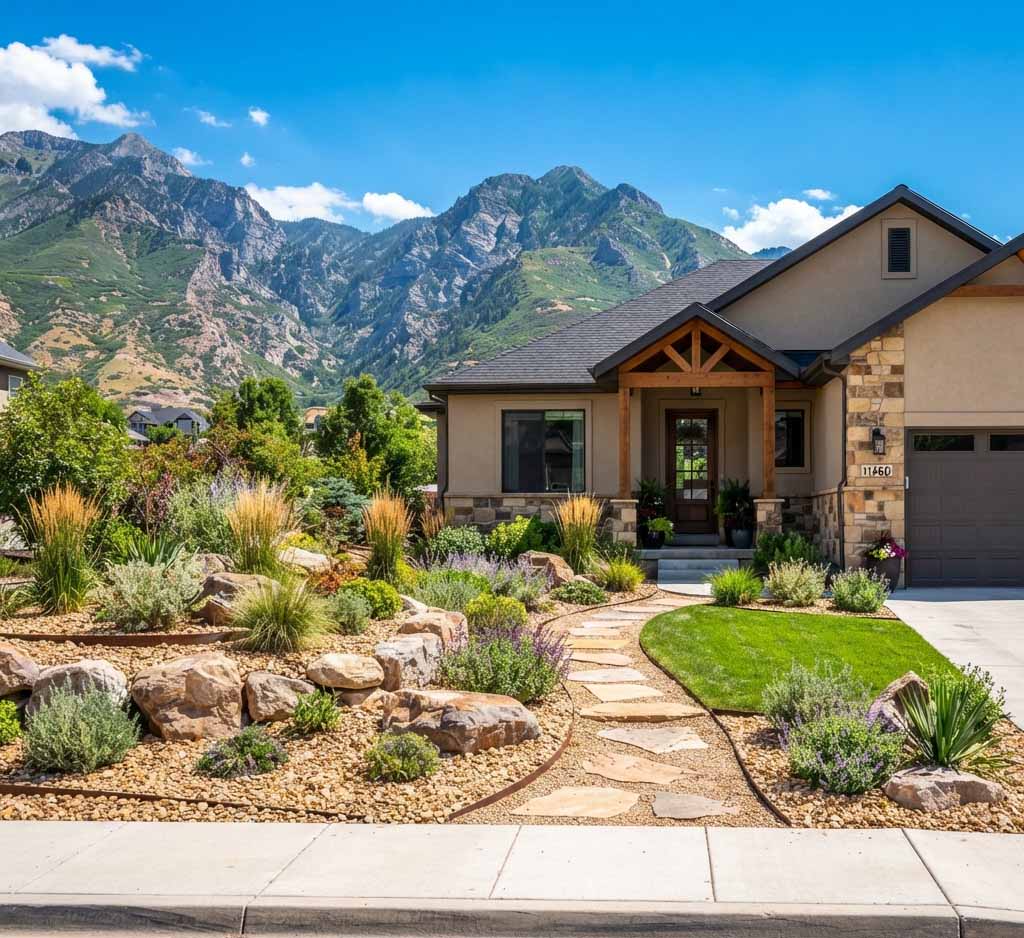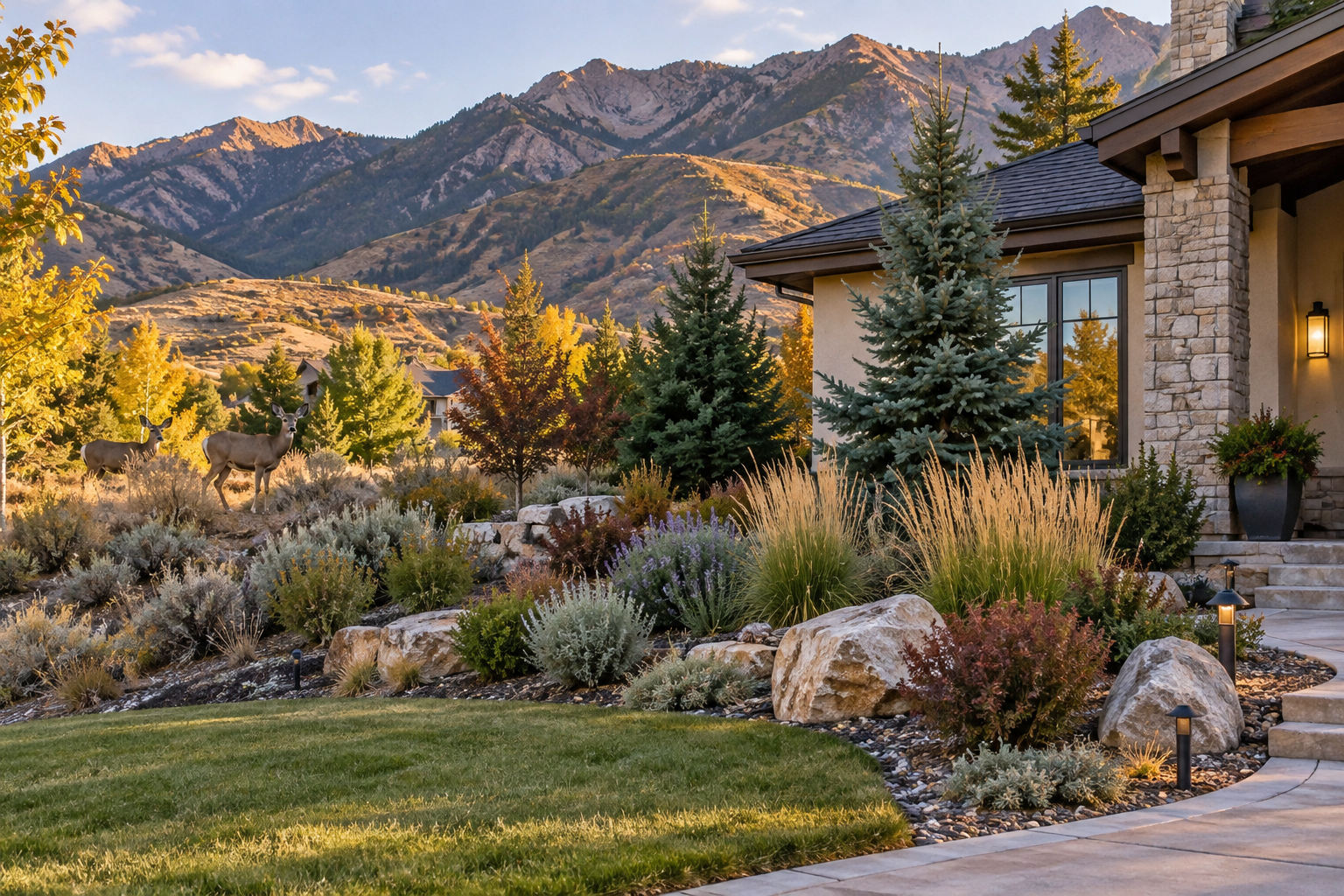
If you live along the East Sandy bench or near the mouth of Bell Canyon, designing a yard that survives the autumn deer migration requires replacing palatable soft foliage with scent-heavy perennials, establishing physical slope buffers, and starting repellent schedules before herds establish feeding routes. By shifting away from high-risk plants like hostas and arborvitae toward textured, aromatic varieties native or well-adapted to the Wasatch Front, homeowners can maintain year-round curb appeal without installing unsightly high fences.
Every September, the mountain brush dries up, pushing wildlife down into East Sandy neighborhoods. What worked in June becomes a late-night buffet by October. Understanding how to adapt your landscape layout and plant selection protects your property investment through every migration season.
Why the Bell Canyon Deer Herd Targets East Sandy Yards
The foothill bench of Sandy sits directly along natural wildlife corridors connecting mountain habitats to valley resources. As ambient temperatures drop and wild foliage dries out, deer move downward looking for easy moisture and high-nutrient food.
East Sandy properties feature well-irrigated lawns, tender ornamental leaves, and sheltered microclimates that deer naturally prefer. Once a herd finds an easy grazing spot near your porch or garden bed, they return nightly, teaching offspring to follow the same paths year after year. Breaking this cycle requires making your yard unappealing before the autumn migration gets under way.
High-Risk Plants to Remove or Protect
Before selecting new plant stock, address existing vulnerability in your garden beds. Certain species act as open invitations to hungry herds.
Key Vulnerabilities in Foothill Landscaping:
- Soft, Flesh-Leaf Ornamentals: Species like hostas, tulips, daylilies, and English ivy retain high moisture levels that attract browsing wildlife across long distances.
- Shallow Evergreen Hedges: Young arborvitae and taxus (yew) offer soft foliage year-round. Deer routinely strip the lower six feet of arborvitae hedges during late fall, leaving bare structural wood that cannot regenerate.
- Young Fruit Trees & Tender Saplings: Smooth bark invites antler rubbing in late fall, while low branches yield easy fruit and foliage.
If these varieties exist near your lawn border, consider moving them closer to structural entryways or replacing them altogether with unpalatable alternatives.
Strategic Plant Selections for Sandy Soil & Wildlife Conditions
Selecting wildlife-resistant vegetation does not mean settling for rock beds and dry brush. Many stunning, highly colorful perennials and shrubs flourish in sandy foothill soil while naturally deterring grazing due to sap content, aromatic oils, or leaf texture.
| Plant Category | Deer-Resistant Options | Primary Deterrent Mechanism | Growth & Maintenance Notes |
| Perennials | Russian Sage, Lavender, Autumn Joy Sedum, Salvia, Yarrow | High essential oil content and strong scent repels grazing. | Thrives in well-drained Sandy bench soil; highly drought-tolerant once established. |
| Groundcovers | Vinca Minor, Creeping Thyme, Snow-in-Summer | Tough leaf texture and dense growth habit make grazing difficult. | Excellent for stabilizing foothill slopes while crowding out spring weeds. |
| Shrubs | Serviceberry, Boxwood, Cotoneaster, Barberry | Prickly stems, thick wood, or bitter taste profile. | Provides structural privacy borders without stripping risk. |
| Spring Bulbs | Daffodils, Allium, Fritillaria | Natural plant compounds that taste bitter or pungent to wildlife. | Plant in fall for early spring color that deer consistently avoid. |
Hardscaping and Spatial Buffers along Foothill Properties
Physical barriers do not require towering perimeter fences that block mountain views or violate neighborhood associations. Thoughtful hardscaping alters deer movement patterns by creating difficult footing and awkward jumping angles.
- Multi-Tiered Terracing: Sloped yards along the Wasatch bench can be terraced using large granite boulders or concrete retaining walls. Deer dislike jumping onto narrow landing zones on elevated inclines.
- Rough Ground Textures: Surrounding sensitive garden zones with thick river rock, un-milled gravel, or prickly low groundcovers creates unstable footing that herds avoid crossing.
- Tree Guards and Physical Mesh: Wrap young tree trunks with durable wire mesh up to five feet high before September to protect bark from rubbing during autumn rutting season.
Establishing Seasonal Repellent Schedules
Because herds rely on routine, applying scent-based and taste-based repellents early creates a strong boundary before feeding habits form for the season.
Start scent applications during late August or early September. Alternate between scent formulas (like mint or putrescent egg solids) and taste formulas (like capsaicin sprays) every few weeks so browsing animals do not become accustomed to a single spray. Ensure sprays target foliage between two and five feet high where deer browse most frequently.
Transform Your East Sandy Property Today
Living along the beautiful Wasatch Front shouldn’t mean losing your landscaping to the Bell Canyon herd every autumn. By updating your garden with aromatic plant varieties, smart hardscaping buffers, and early seasonal protection, you can enjoy a stunning, resilient yard year-round.
Ready to rebuild your foothill landscape? Contact Millburn Lawn & Landscape today at (801) 810-5452 to schedule a local landscape consultation in Sandy and nearby bench communities!
Frequently Asked Questions
Why do deer eat my yard plants in the fall but leave them alone in the spring?
As natural mountain forage dries up in late summer and early autumn, wild food sources along the upper bench disappear. Lower-elevation residential yards remain green, irrigated, and full of nutrient-dense foliage, drawing herds down into neighborhoods.
Will deer-resistant plants completely guarantee deer won’t eat my yard?
No plant is entirely immune if wild food sources become scarce enough during severe weather. However, deer-resistant varieties possess scents, textures, or bitter compounds that prompt herds to bypass your yard in favor of easier, more palatable options elsewhere.
Do electronic repellents or motion sprinklers work for East Sandy properties?
Motion-activated sprinklers and high-frequency sound devices can offer temporary deterrence, but deer often adapt to predictable sounds or movements. Combining structural hardscaping with scent-heavy plants provides far more consistent multi-season protection.
Can I protect existing arborvitae hedges without taking them down?
Yes. Installing physical netting or wire barriers around the base up to five feet high prevents grazing during the fall and winter months. Applying taste-based repellents consistently throughout the migration window also helps discourage damage.
What is the best time of year to redesign a yard for deer resistance in Sandy?
Early fall and early spring are ideal windows for installing deer-resistant landscaping in Sandy. Fall planting allows perennial roots to establish in cool soil before winter while addressing immediate autumn grazing risks.