Salt Lake City’s commercial properties sit at the intersection of urban sophistication and dramatic natural beauty, but crafting a landscape design that actually works here requires genuine attention to the city’s specific climate, topography, and water realities.
Drought-Resistant Plants as a Practical Starting Point
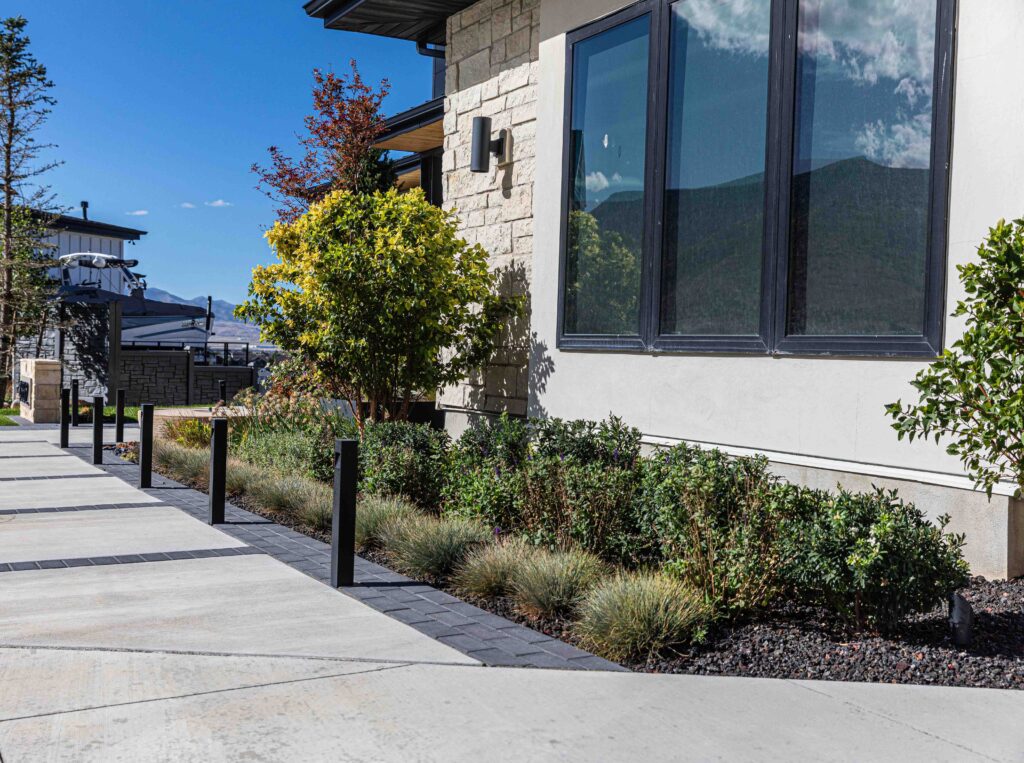
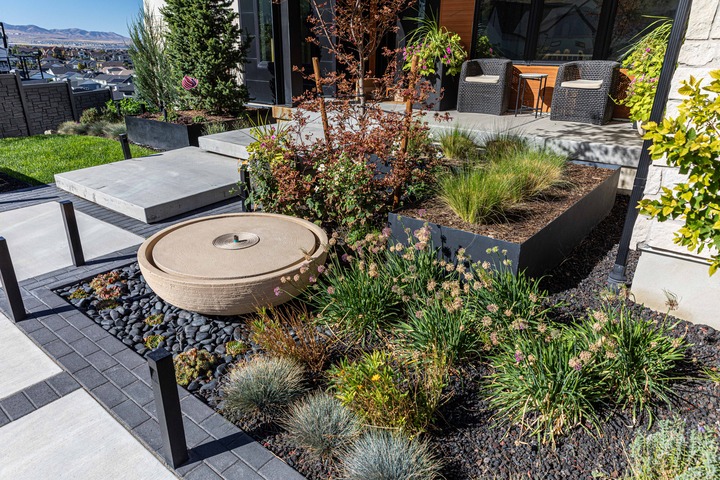
Given Salt Lake City’s semi-arid climate and genuinely limited water resources, incorporating drought-resistant plants into commercial landscape designs isn’t optional — it’s foundational. Native and adaptive species like sagebrush, yarrow, and penstemon require minimal irrigation and maintenance once established, making them practical choices for sustainable landscaping that genuinely thrives in local conditions rather than fighting them.
Xeriscaping as a Full Design Philosophy
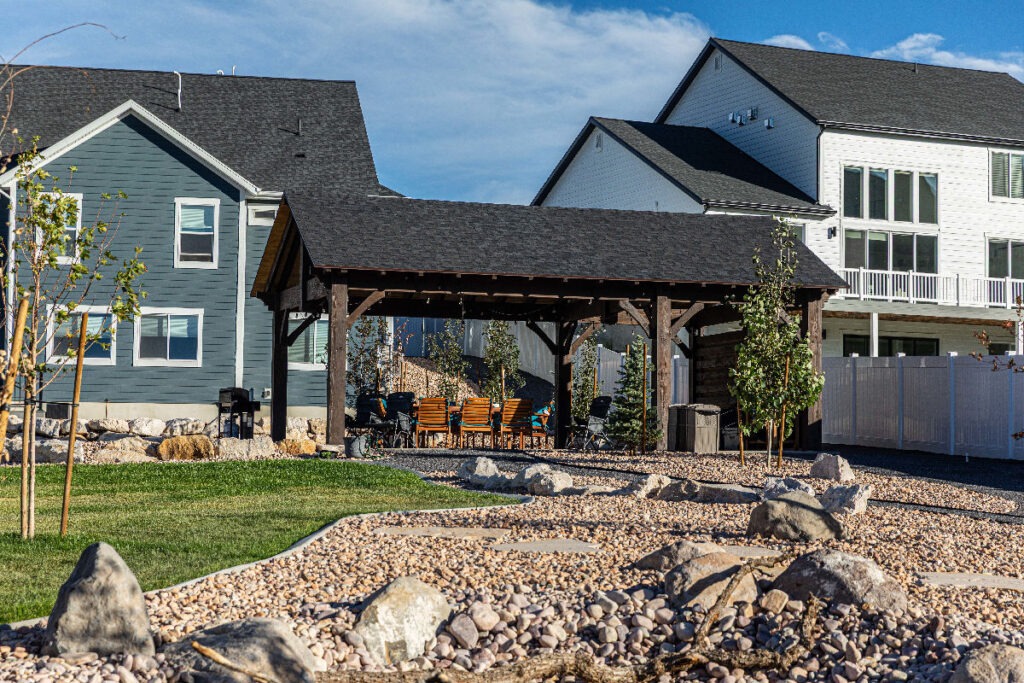
Xeriscaping goes beyond simply choosing drought-tolerant plants — it’s a comprehensive, water-efficient approach combining those plants with efficient irrigation systems and strategic mulch to minimize water consumption overall. For Salt Lake City commercial properties, where water conservation is a genuine priority, xeriscaping offers a way to reduce both water usage and ongoing maintenance costs without sacrificing visual appeal.
Sustainable Hardscape as Both Function and Design
Permeable paving materials — porous concrete, interlocking pavers — reduce stormwater runoff and support groundwater recharge, addressing real environmental concerns while still delivering a polished, professional look. Incorporating recycled materials like reclaimed wood or recycled glass into hardscape elements further reduces environmental impact while adding genuine visual interest.
Native Landscaping That Supports Local Ecosystems
Using plant species genuinely indigenous to the Salt Lake City area helps preserve local biodiversity while giving a commercial property landscaping that’s naturally resilient and low-maintenance. Native grasses, wildflowers, and shrubs create an outdoor environment that reflects the beauty of the surrounding region rather than looking imported from a different climate entirely.
Why Professional Design Expertise Matters Here Specifically
Utah’s specific combination of climate and terrain presents challenges and opportunities that a generic national landscaping approach doesn’t account for. A design team with genuine local expertise can assess a property’s specific needs and develop solutions that balance aesthetics and functionality in a way that actually holds up through Utah’s seasonal extremes.
Bringing These Elements Together Into One Cohesive Design
The strongest commercial landscape designs in Salt Lake City don’t treat these principles as separate checkboxes — drought-resistant plants, xeriscaping, sustainable hardscape, and native landscaping work together as one coherent design philosophy, each element reinforcing the others rather than existing in isolation.
Frequently Asked Questions
Is xeriscaping the same thing as simply using drought-resistant plants?
Not quite — xeriscaping is a broader design approach combining drought-tolerant plants with efficient irrigation and mulch strategy, while drought-resistant plants are just one component of that larger system.
Do native plants actually look as polished as imported ornamental species?
When thoughtfully designed, native plantings can look just as refined and intentional as imported species, while also being considerably more resilient in local conditions.
How does sustainable hardscape affect a property beyond appearance?
Permeable materials reduce stormwater runoff and support groundwater recharge, offering genuine environmental benefits alongside their visual contribution to the property.
Balancing Water-Wise Design With Year-Round Visual Interest
A common concern with drought-resistant design is that it will look sparse or monotonous. Thoughtful plant selection — combining different bloom times, textures, and structural forms among native and drought-tolerant species — avoids that outcome, delivering genuine seasonal variety without sacrificing water efficiency.
Adapting Design Principles to Different Commercial Property Types
A retail center’s entrance landscaping serves a different purpose than a corporate office park’s employee courtyard, even though both might draw on the same core principles of drought-resistant, native, and sustainable design. Tailoring the application of these principles to a property’s specific use case produces a more genuinely effective result than a one-size-fits-all template.
Ready to design a landscape suited to Salt Lake City’s unique climate? Contact our commercial landscape design team to get started.