Raised planters bring structure, function, and real design flexibility to a Salt Lake City yard — whether the goal is working around a sloped property, growing herbs and vegetables, or simply creating a defined focal point that a flat garden bed can’t match.
Why Raised Beds Make Sense in Salt Lake City
From rocky, clay-heavy soil to steep foothill slopes, Utah’s terrain presents challenges that raised beds solve directly. They improve drainage in soil that otherwise holds water unevenly, offer better weed control and fewer pest issues than ground-level beds, provide easier accessibility for gardeners with mobility needs, and create clearly defined zones for decorative or edible plantings. They’re especially useful in hillier areas where grading a full in-ground bed isn’t practical.
Choosing Materials That Hold Up in Utah’s Climate
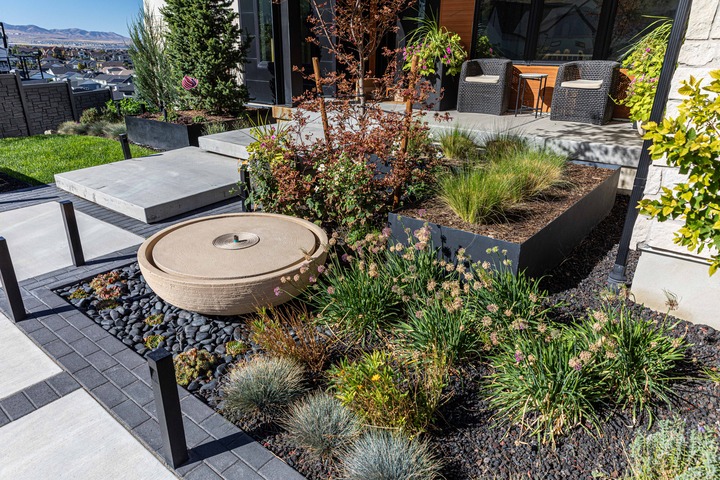
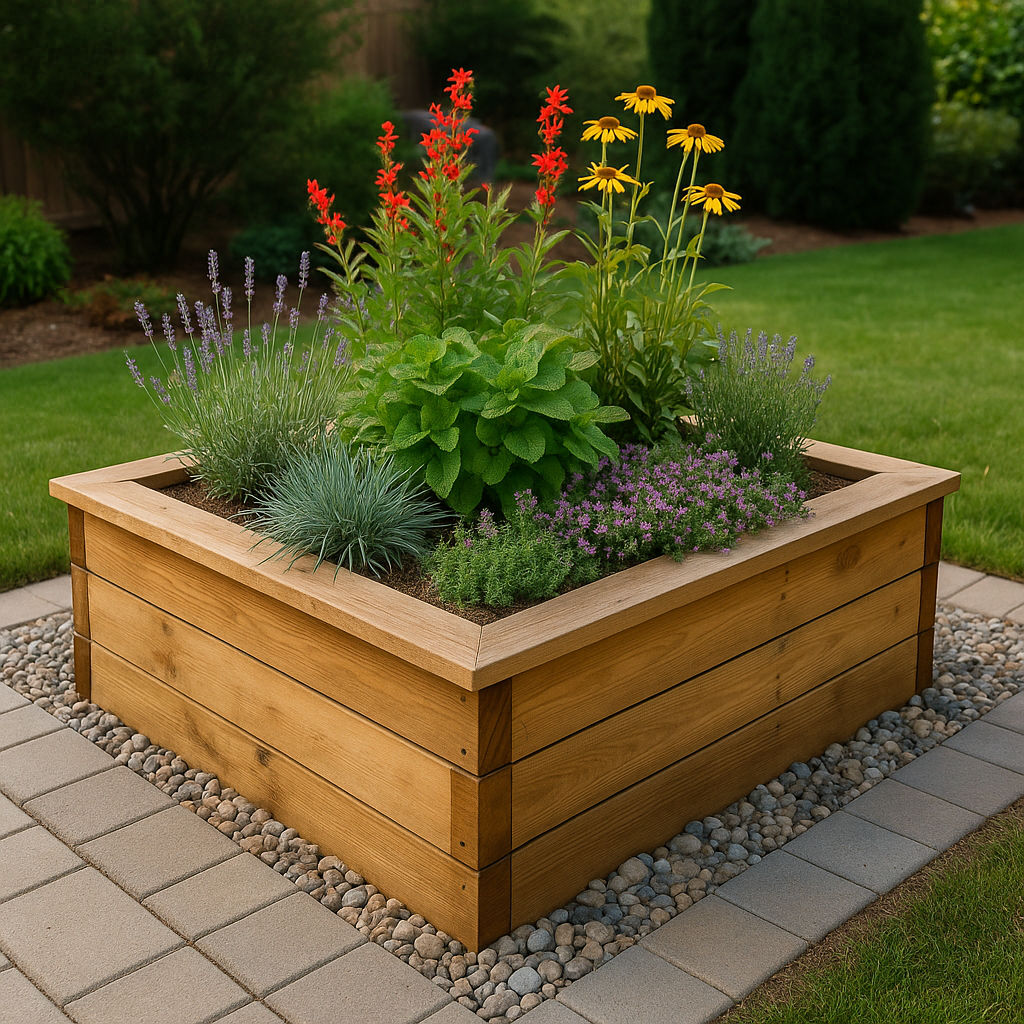
Raised planters can suit any style, but durability in Utah’s freeze-thaw cycles matters as much as looks. Corten steel offers a modern finish that weathers naturally into a rich rust-colored patina. Natural stone or retaining wall block provides real long-term strength and works especially well for supporting sloped terrain. Cedar or redwood delivers a classic look with natural rot resistance, while concrete or CMU block gives a clean, structured feel that suits tiered designs particularly well. In high-sun areas, it’s worth avoiding dark metal planters, since they can heat soil enough to stress roots during peak summer.
Plants That Thrive in Raised Beds
Salt Lake City’s climate supports a wide range of plants in raised beds, as long as you choose drought-tolerant varieties and use well-amended soil. Lavender and rosemary are fragrant, low-water herbs that do particularly well. Lettuce, kale, and tomatoes thrive in the well-drained conditions raised beds provide. Penstemon and yarrow add pollinator-friendly color, creeping thyme works as both an edible and an attractive ground-hugging filler, and ornamental grasses add texture and movement between plantings.
Designing Raised Planters That Feel Intentional
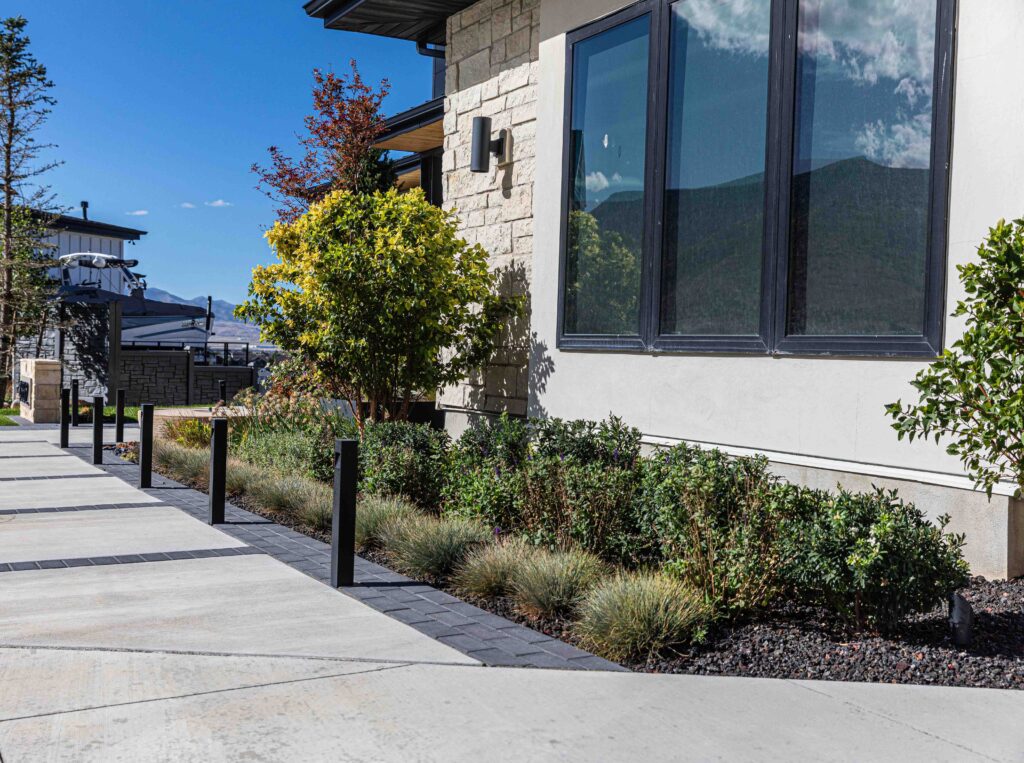
Using matching stone or wood finishes ties planters visually into existing patios or retaining walls rather than making them look tacked on. Building tiered planters along a slope manages erosion while adding real visual structure, and framing seating areas with symmetrical planter beds gives outdoor living spaces a more finished, deliberate feel. Incorporating low lighting into planter edges extends usability into evening hours, and taller planters paired with upright grasses can double as a natural privacy screen.
Raised Beds as a Water-Wise Upgrade
Paired with drip irrigation, raised beds deliver water directly to root zones with far less waste than broadcast watering across an open bed. That precision, combined with better drainage in Utah’s clay-heavy soil, makes raised planters one of the more practical upgrades available for homeowners looking to reduce water use without giving up planting space.
Frequently Asked Questions
What’s the best material for raised planters in Utah’s climate?
Natural stone and retaining wall block offer the strongest long-term durability, especially on sloped sites, while cedar and Corten steel are popular choices for a more residential, decorative look.
Can raised beds help with Salt Lake City’s clay soil?
Yes — raised beds let you control the soil composition directly, avoiding the drainage problems that come with planting straight into dense, clay-heavy ground.
Are raised planters more water-efficient than ground-level beds?
When paired with drip irrigation, raised beds typically use water more efficiently than open ground beds, since water is delivered precisely to the root zone rather than spread broadly.
Sizing Raised Planters for Your Space
Planter dimensions matter as much as material choice — a bed that’s too narrow limits root growth for larger plants, while one that’s too deep can waste soil and become harder to maintain. A general guideline of 18 to 24 inches in depth works well for most vegetables and perennials, while shallower beds suit herbs and groundcovers just as effectively.
Seasonal Care for Raised Bed Plantings
Raised beds warm up faster in spring than ground-level soil, which can mean an earlier start to the growing season, but it also means they dry out faster in summer heat and need more attentive watering. Mulching the surface helps retain moisture between waterings and reduces the frequency drip irrigation needs to run during Utah’s hottest stretches.
Millburn Lawn & Landscape designs custom raised planters, retaining walls, and slope solutions for Salt Lake City yards. Contact us to bring your raised planter design to life.