Introduction
Many people assume it’s plants or grass. Others think it’s lighting or irrigation. In reality, the biggest landscaping costs usually come from what’s underneath and what’s built, not what’s planted.
Understanding where landscaping costs come from helps homeowners budget smarter, avoid surprises, and make better long-term decisions for Utah’s climate.
This guide breaks down the most expensive parts of landscaping, why they cost more, and how professional planning can save money over time.
The Short Answer
The most expensive part of landscaping is hardscaping and structural features, especially patios, retaining walls, grading, drainage, and outdoor structures.
In Salt Lake City, these elements often account for 50–70% of a total landscape budget.
Why Hardscaping Is the Biggest Cost Driver
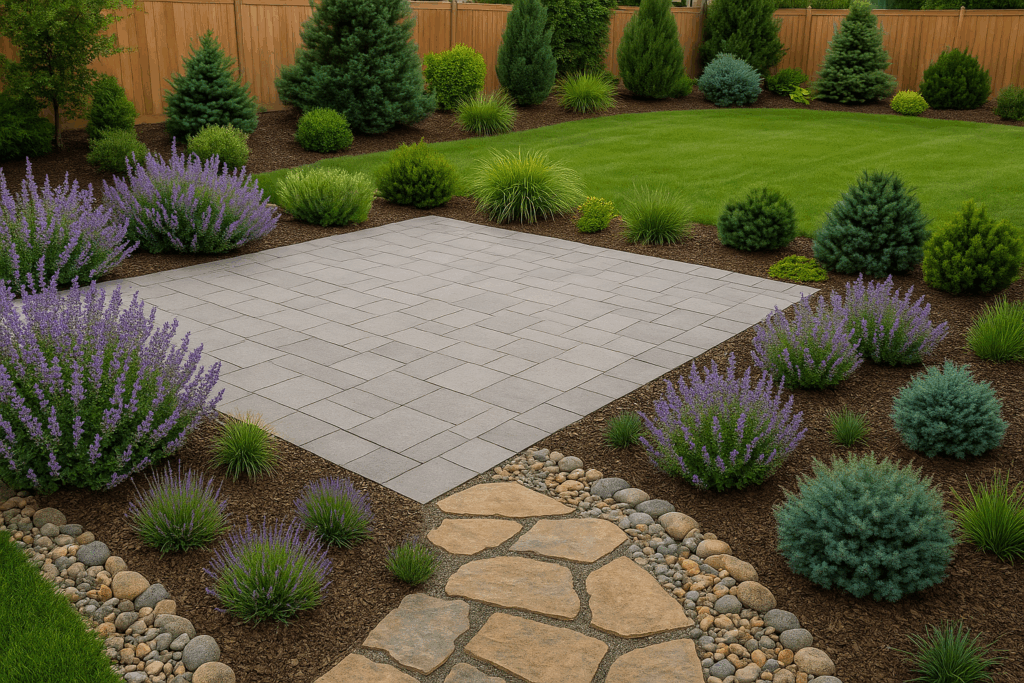
Hardscaping includes all the permanent, built features in your yard. These are the elements that require excavation, base preparation, structural support, and skilled labor.
Common Hardscape Features
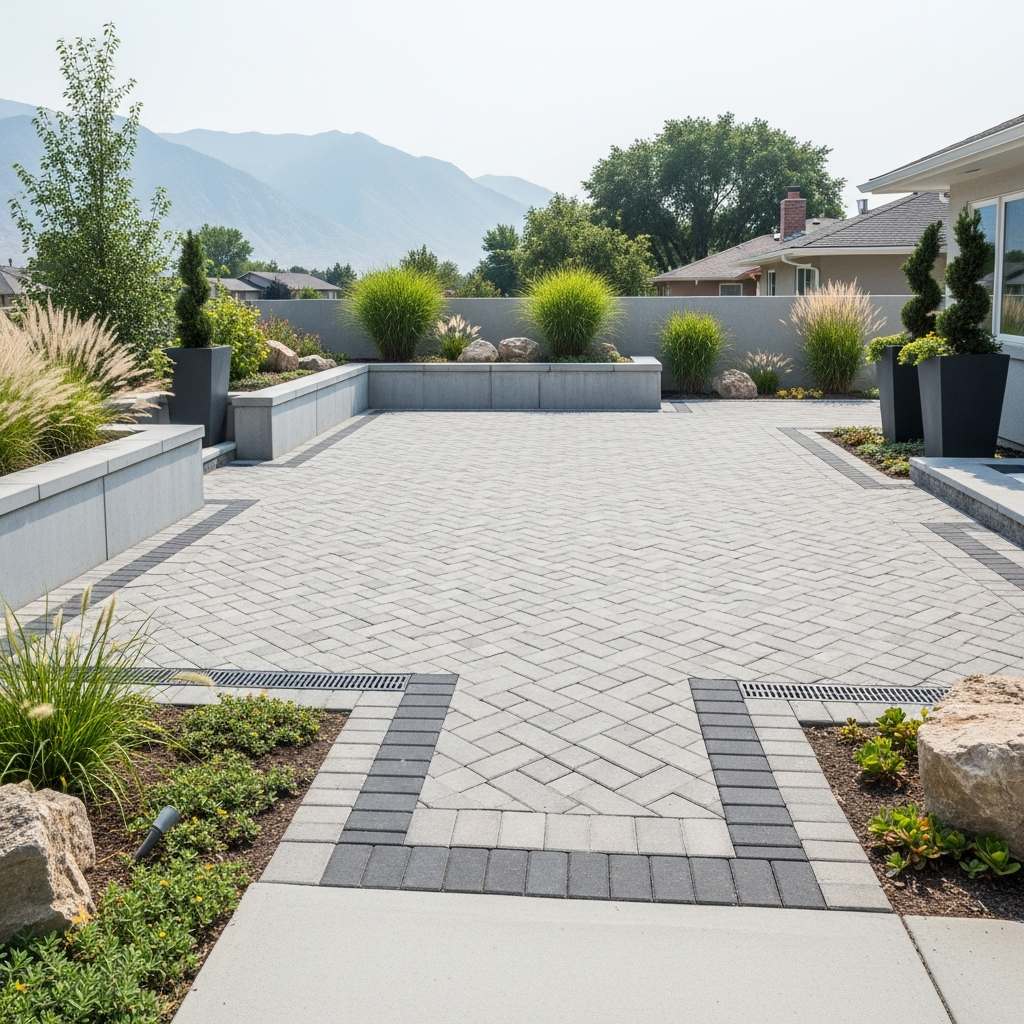
- Paver patios
- Concrete or stone walkways
- Retaining walls
- Seating walls
- Fire pits and fireplaces
- Steps and stairs
- Outdoor kitchens
- Pergolas and pavilions
Why Hardscaping Costs So Much
Hardscaping is expensive because it involves:
- Excavation and soil removal
- Compacted base layers
- Drainage integration
- Structural engineering
- Masonry or concrete work
- Skilled labor
- Permits and inspections (often required)
In Utah’s freeze-thaw climate, hardscape installation must be done correctly or it will fail. That extra preparation increases upfront cost but prevents cracking, shifting, and collapse later.
Grading and Drainage: The Hidden Expensive Step
One of the most expensive parts of landscaping is also the least visible: grading and drainage.
What This Includes
- Re-shaping slopes
- Correcting water flow away from the home
- Installing French drains or swales
- Fixing low spots and pooling
- Managing runoff from snowmelt
Why It’s Expensive
Salt Lake City soils often contain clay, which holds water and expands when frozen. Poor drainage leads to:
- Foundation damage
- Patio movement
- Dead plants
- Ice buildup in winter
Fixing grading problems requires heavy equipment and skilled operators. While homeowners may not see this cost immediately, skipping it almost always leads to expensive repairs later.
Outdoor Structures: Small Buildings, Big Costs
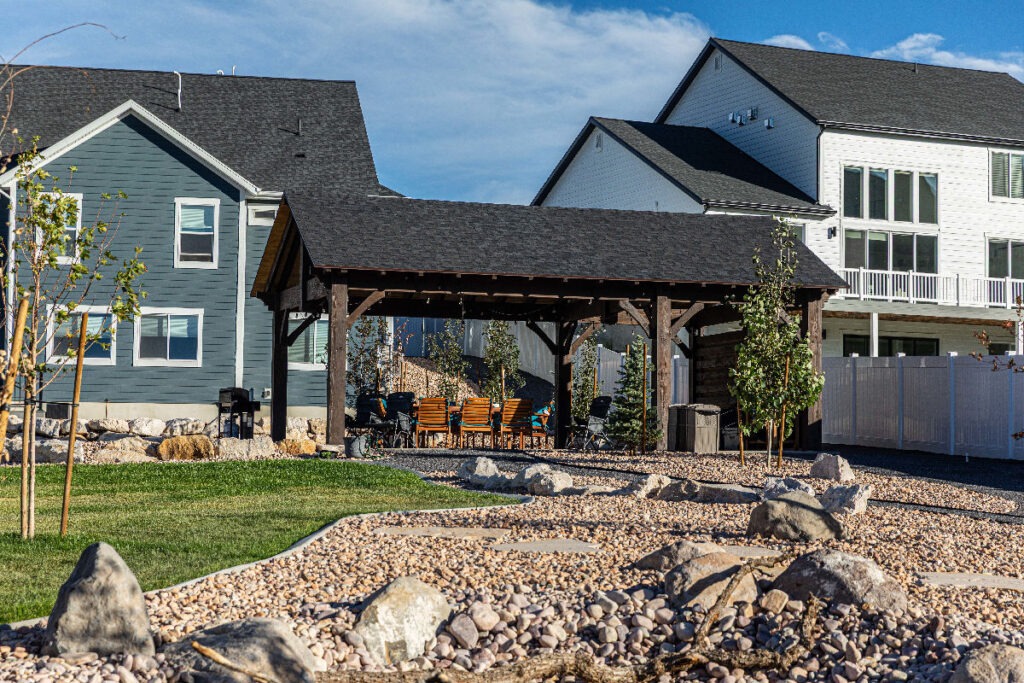
Covered outdoor features are one of the fastest-growing landscape upgrades, but they are also among the most expensive.
Examples
- Pergolas
- Pavilions
- Covered patios
- Gazebos
Why They Add Up Quickly
Outdoor structures often require:
- Concrete footings
- Framing and roofing
- Electrical wiring
- Engineering
- Permits and inspections
In many cases, these features are treated like accessory structures, not decorations. That’s why they can cost as much as an interior remodel.
Irrigation Systems: Necessary but Not Cheap
While irrigation isn’t usually the most expensive item, it becomes a major cost when done correctly.
Cost Factors
- Trenching throughout the yard
- Multiple watering zones
- Drip irrigation for plant beds
- Smart controllers
- Pressure regulation
In Salt Lake City, water efficiency is critical. Professional irrigation design costs more upfront but saves money through reduced water waste and healthier plants.
Landscape Lighting: Affordable or Expensive, Depending on Scope
Basic solar lights are inexpensive, but professional landscape lighting can be a mid- to high-range cost item.
Professional Lighting Includes
- Low-voltage wired systems
- Transformers and controls
- Trenching for wire
- Fixture placement and aiming
Lighting isn’t structurally required, but it dramatically improves curb appeal, safety, and nighttime usability.
Mature Trees and Specialty Plants
Plants themselves are rarely the most expensive part of landscaping — unless you’re installing large or specialty specimens.
High-Cost Planting Scenarios
- Mature trees
- Crane-set trees
- Rare or slow-growing species
- Large quantities of premium plants
Transportation, installation risk, and warranties increase costs significantly compared to small plants.
What’s Usually Not the Most Expensive
Despite popular belief, these items are typically lower on the cost scale:
- Sod or seed
- Mulch
- Decorative gravel
- Small shrubs and perennials
These elements add beauty but usually make up a smaller portion of the overall budget.
The Real Cost Formula: Labor + Permanence
The true answer to what makes landscaping expensive comes down to this:
If it is:
- Permanent
- Structural
- Underground
- Load-bearing
- Required to meet code
…it will cost more.
Landscaping is less about materials and more about labor, preparation, and engineering.
Why Professional Design Saves Money
Many homeowners overspend because they:
- Build features in the wrong order
- Skip drainage planning
- Change materials mid-project
- Redo work that should have been done once
A professional landscape design creates a master plan that prioritizes spending and prevents costly mistakes.
In Salt Lake City’s climate, proper planning is not optional — it’s essential.
Final Thoughts
So, what is the most expensive part of landscaping?
Hardscaping and structural work, especially grading, drainage, patios, retaining walls, and outdoor structures.
Plants are usually the least expensive part of a project. The real investment is in building a landscape that lasts through Utah’s extreme seasons. Understanding this helps homeowners budget wisely, protect their property, and get the most value from their outdoor space
Planning a landscape project in Salt Lake City?
Millburn Lawn & Landscape specializes in professionally designed landscapes built for Utah’s climate — from patios and drainage to complete outdoor living spaces.
📞 Call (801) 810-5452
or visit https://millburnlandscape.com to schedule a consultation.
Frequently Asked Questions About Landscaping Costs
What is typically the most expensive part of a landscaping project?
The most expensive part of landscaping is usually hardscaping, including patios, retaining walls, grading, drainage, and outdoor structures. These features require excavation, structural preparation, and skilled labor, which significantly increases cost.
Why does hardscaping cost more than plants?
Hardscaping involves permanent construction. Unlike plants, it requires base preparation, drainage planning, concrete or stone installation, and compliance with building standards. In Salt Lake City’s freeze-thaw climate, proper installation is critical to prevent shifting and cracking.
Is grading and drainage really necessary?
Yes. Proper grading and drainage are essential in Utah to prevent water pooling, erosion, foundation damage, and ice buildup in winter. Skipping this step often leads to expensive repairs later.
Are outdoor structures more expensive than patios?
Often, yes. Pergolas, pavilions, and covered patios may require footings, framing, roofing, electrical work, and permits. These features are treated like small buildings, which increases cost.
How much of a landscaping budget goes to hardscaping?
For most Salt Lake City projects, 50–70% of the total budget is spent on hardscaping and site preparation, with the remainder going to plants, irrigation, and finishing details.
Is irrigation a major landscaping expense?
Irrigation can be a significant cost when installed correctly. Smart controllers, multiple zones, drip systems, and trenching all add to the price, but they help reduce water waste and improve plant health long-term.
Do mature trees increase landscaping costs?
Yes. Large or specialty trees are expensive due to transportation, installation equipment, labor, and higher risk. However, they can instantly elevate a landscape’s appearance and value.
What landscaping features offer the best return on investment?
Patios, drainage improvements, and functional outdoor living spaces typically offer the highest ROI. These features improve usability, curb appeal, and long-term property value.
Can professional landscape design help control costs?
Absolutely. A professional design creates a master plan that prevents rework, material waste, and poor installation decisions. In Salt Lake City’s climate, proper planning often saves money over time.
What landscaping elements are usually the least expensive?
Sod, mulch, decorative gravel, and small shrubs are typically among the least expensive components of a landscape project.
Should I prioritize hardscaping or plants first?
Hardscaping and drainage should always come first. Plants are easier to adjust later, but structural elements must be installed correctly from the start.