Introduction
If you’ve been thinking about upgrading your yard, backyard, or outdoor living space, you’ve probably wondered: What does a landscape designer actually do?
Many homeowners in Salt Lake City assume landscape design is simply choosing plants or drawing a patio layout — but it’s far more in-depth than that. A professional landscape designer blends architecture, horticulture, engineering, and artistry to create outdoor spaces that are functional, beautiful, and built for Utah’s unique climate.
This detailed guide explains the full role of a landscape designer, what you can expect during the process, and why a professional design is the key to a long-lasting, cohesive outdoor environment.
What Is a Landscape Designer?
A landscape designer is a trained professional who plans, designs, and manages the development of outdoor spaces. Their goal is to create functional, attractive, and climate-appropriate landscapes that enhance the property and improve the way homeowners use their outdoor areas.
In Salt Lake City, where conditions range from hot, dry summers to intense freeze-thaw cycles in winter, a landscape designer ensures your yard is built to last — and built to thrive.
What a Landscape Designer Actually Does
1. Site Evaluation and Property Analysis
A landscape designer begins with a detailed property assessment. This includes examining:
- Sun and shade patterns
- Soil type and plant suitability
- Drainage and grading issues
- Existing vegetation and its health
- Utility placement
- Slope and elevation changes
- Wind patterns (important for Utah’s canyon winds)
This analysis ensures that every design decision is functional, not just aesthetic.
2. Creating a Master Landscape Plan
Once the site evaluation is complete, the designer creates a comprehensive plan that defines the entire layout of your yard, including:
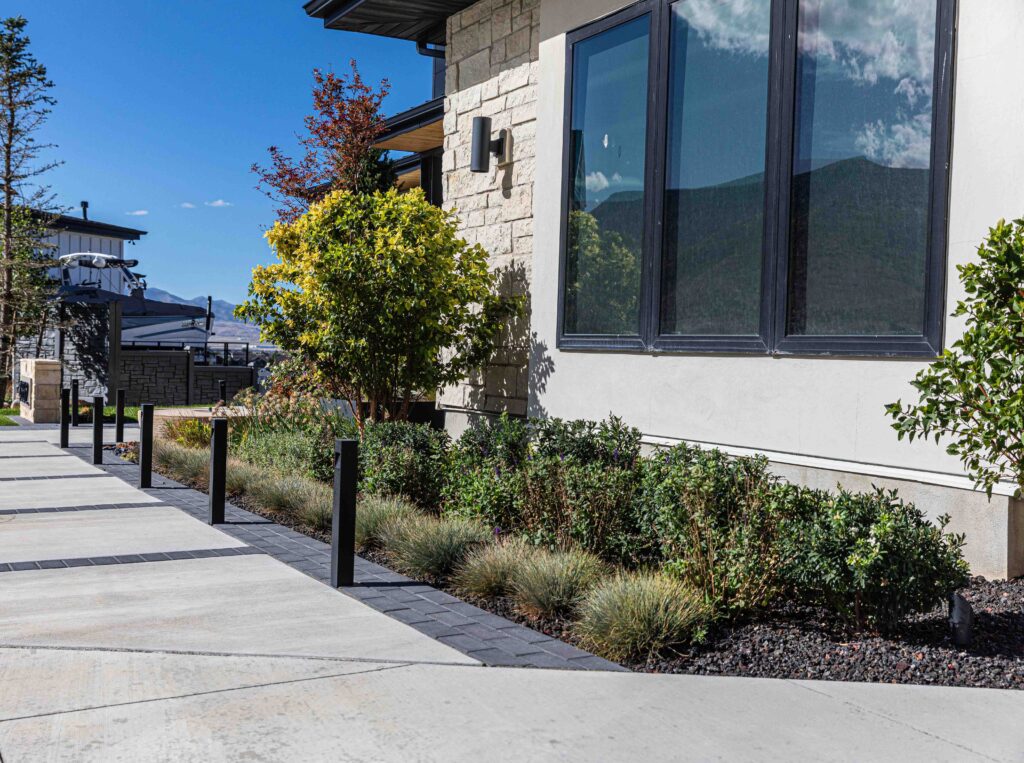
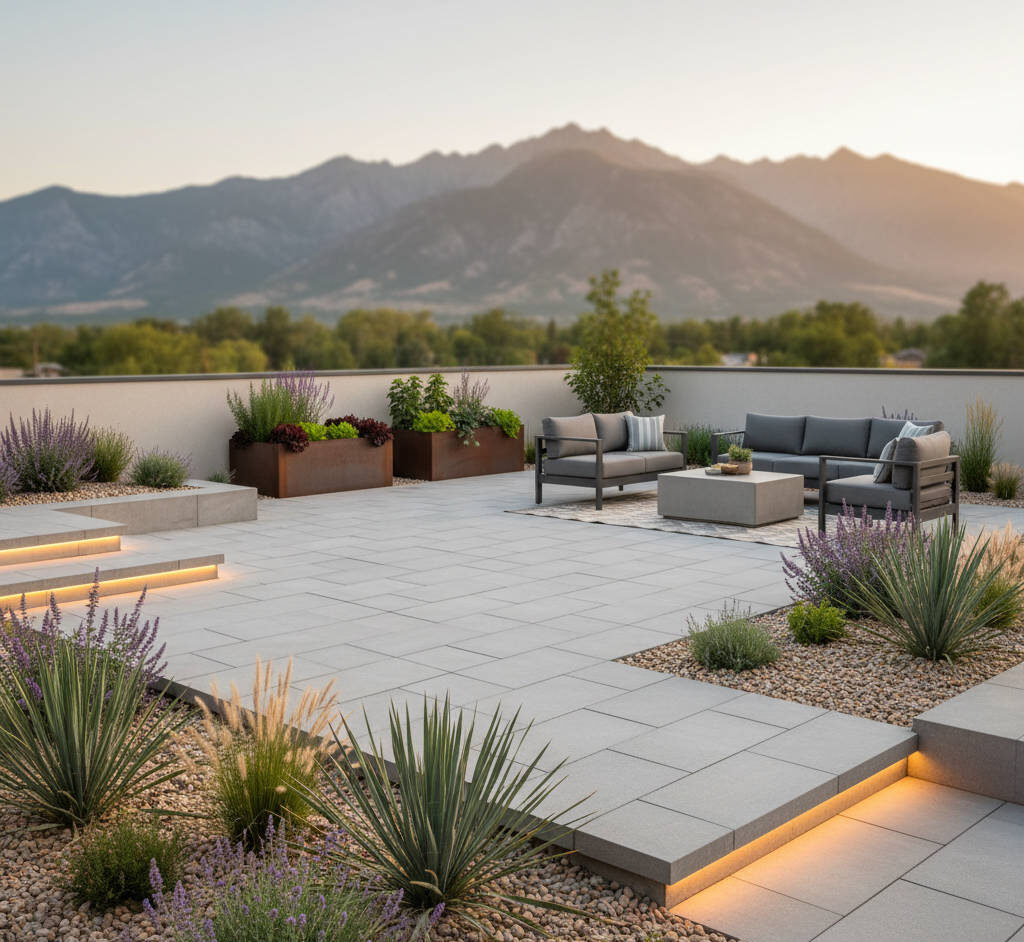
- Patios and seating areas
- Walkways and pathways
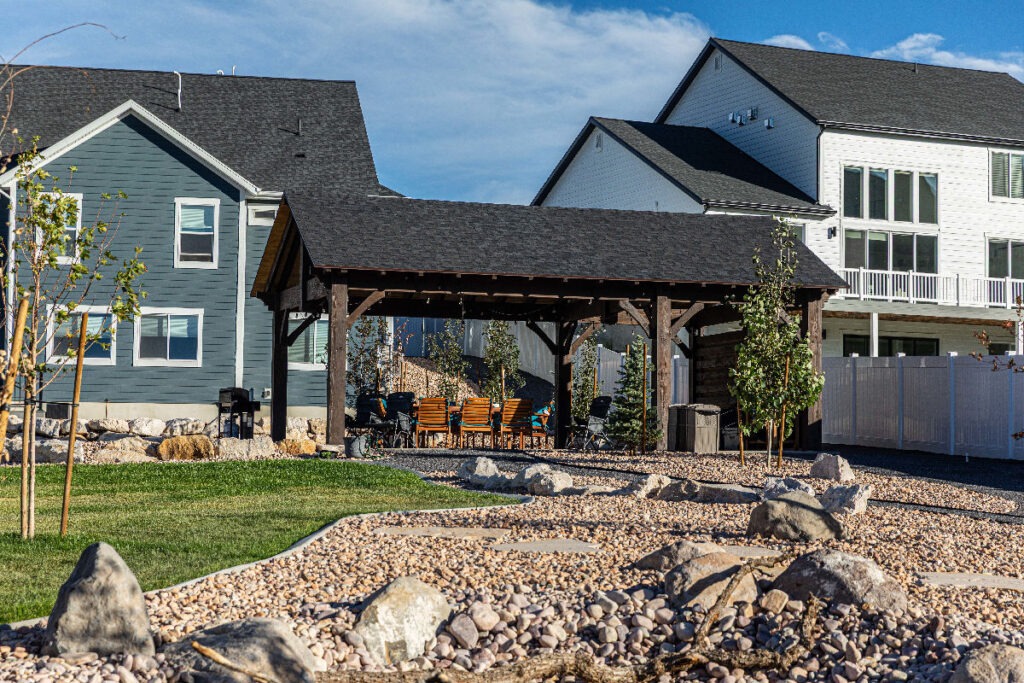
- Shade structures (pergolas, pavilions, etc.)
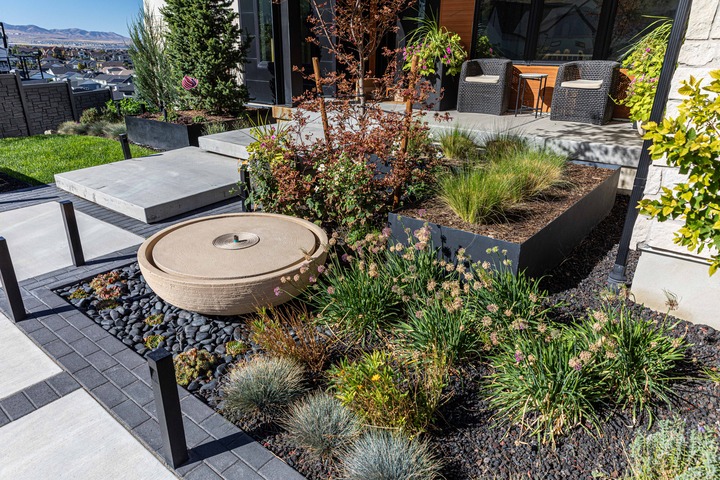
- Plant beds and garden zones
- Firepits and outdoor entertainment spaces
- Retaining walls and grading solutions
- Lighting design
- Irrigation layout
- Turf, rock, mulch, or xeriscape elements
The master plan acts as the roadmap for construction and ensures every element works together.
3. Solving Drainage and Functional Problems
Utah’s elevation, natural soil composition, and freeze-thaw patterns make drainage a major concern.
A landscape designer identifies and solves common issues such as:
- Standing water
- Low spots
- Runoff toward the home
- Erosion
- Poor irrigation coverage
- Dying plant zones
Designers integrate solutions like proper grading, French drains, swales, and smarter irrigation strategies.
4. Plant Selection and Climate-Driven Design
Salt Lake City sits in a high-desert climate with extreme temperature swings. A landscape designer selects plants based on:
- Drought tolerance
- Soil compatibility
- Shade needs
- Water requirements
- Mature size and spacing
- Seasonal interest (spring blooms, fall color, evergreen coverage)
- Wildlife interaction (bees, birds, deer resistance)
The result is a cohesive plant palette that stays healthy year-round.
5. Material Selection and Aesthetic Planning
Landscape designers help homeowners choose materials that match the home’s architecture and hold up in Utah’s climate, including:
- Pavers and natural stone
- Decorative gravel
- Mulch and groundcover
- Wood and composite materials
- Lighting fixtures
- Metalwork and accent pieces
Consistency in materials is one of the biggest indicators of a professionally designed landscape.
6. Irrigation and Water-Efficiency Planning
Because Utah faces water restrictions and drought concerns, proper irrigation design is essential. A landscape designer ensures:
- Proper zone coverage
- Smart controller setup
- Drip irrigation for plant beds
- Reduced overspray
- Water-saving techniques like xeriscaping
This keeps your landscape healthy while lowering water costs and reducing waste.
7. Project Coordination and Construction Oversight
A landscape designer often acts as the project manager during installation. This includes:
- Communicating with contractors
- Reviewing measurements and layout
- Marking planting zones
- Ensuring irrigation follows the plan
- Verifying the correct materials are used
- Making adjustments during installation
Without professional oversight, homeowners often experience mismatched materials, incorrect plant placement, poorly installed patios, or drainage issues.
8. Final Walkthrough and Adjustments
Once construction is complete, the designer conducts a final review to ensure everything matches the vision. This may include:
- Adjusting irrigation schedules
- Re-aligning plants
- Making lighting changes
- Ensuring proper drainage
- Confirming safety and functionality
This final step ensures your yard looks polished and performs well long-term.
Why You Should Hire a Landscape Designer in Salt Lake City
Here are the main benefits of working with a professional:
- Stronger property value: Professionally designed yards increase curb appeal and resale value.
- Better long-term performance: Proper drainage, grading, and plant selection reduce costly repairs.
- Climate-smart design: Built specifically for Utah’s sun, wind, soil, and freeze cycles.
- Aesthetic cohesion: Everything works together as a unified design — not a collection of random pieces.
- Reduced stress: You avoid guesswork, contractor miscommunication, and design mistakes.
A designer combines creativity with technical skill, ensuring your yard is not only beautiful but durable.
Conclusion
A landscape designer does much more than choose plants or draw diagrams. They are planners, problem-solvers, outdoor architects, and project coordinators — professionals who transform your Salt Lake City yard into a functional, beautiful extension of your home.
If you want a landscape that feels intentional, lasts for years, and elevates the way you live outdoors, partnering with a professional designer is the smartest investment you can make.

Ready to take your Salt Lake City landscape from basic to breathtaking?
Millburn Lawn & Landscape specializes in professional landscape design tailored to Utah’s climate and your lifestyle.
Call (801) 810-5452
or visit
https://millburnlandscape.com/landscape-design/
to schedule a personalized landscape design consultation.
Frequently Asked Questions
1. What exactly does a landscape designer do?
A landscape designer plans, designs, and oversees the creation of outdoor spaces. They analyze your property, create layout plans, choose climate-appropriate plants, coordinate materials, solve drainage issues, and ensure your Salt Lake City landscape is functional, beautiful, and built to last.
2. Is there a difference between a landscape designer and a landscaper?
Yes. A landscaper focuses on installation and maintenance, while a landscape designer creates the vision, layout, and technical plan for your yard. Designers handle planning, plant selection, materials, irrigation strategy, and project oversight. In many cases, landscapers install the design created by the designer.
3. Why should I hire a landscape designer in Salt Lake City?
Salt Lake City’s climate includes hot summers, harsh winters, and dramatic freeze-thaw cycles. A landscape designer ensures your yard is built for this environment — choosing the right plants, materials, and grading to prevent erosion, water waste, and weather damage.
4. Will a landscape designer help with plant selection?
Absolutely. Designers select plants based on Utah’s climate, your soil type, water availability, sun exposure, maintenance preferences, and desired aesthetic. Their expertise prevents costly mistakes like choosing plants that can’t survive in our high-desert environment.
5. Do landscape designers help with patios, pergolas, or outdoor living areas?
Yes. Modern landscape design includes hardscaping such as patios, firepits, pergolas, retaining walls, outdoor kitchens, lighting, and walkways. Your designer creates the layout, measurements, material selections, and construction details needed for a cohesive outdoor living space.
6. Can a landscape designer fix drainage problems?
Yes. Designers specialize in identifying and solving drainage issues such as pooling, runoff, and poor grading — which are common in Salt Lake City’s clay soils. They incorporate drainage solutions like grading adjustments, swales, French drains, and proper irrigation design.
7. How long does the landscape design process take?
Most design projects take 2–6 weeks, depending on the size and complexity of the yard. Large or high-end projects involving outdoor structures, 3D renderings, or engineered elements may take longer.
8. Will the designer manage the installation too?
Most professional designers offer project coordination or construction oversight. They ensure the installation matches the design plan, materials are used correctly, and contractors follow proper industry standards. This protects your investment and ensures the final product meets the vision.
9. How much does professional landscape design cost in Salt Lake City?
Prices vary based on yard size and complexity, but most Salt Lake City homeowners invest between $500 and $3,500 for a full design package. High-end estates or full property remodels may cost more. The design pays for itself by preventing costly mistakes during installation.
10. Can I DIY my landscape instead of hiring a designer?
You can, but most DIY landscapes fail because of poor layout, improper plant selection, drainage problems, or mismatched materials. A designer eliminates guesswork and ensures your investment lasts — especially in Utah’s extreme climate.
11. Do landscape designers use 3D renderings?
Many do. 3D renderings help homeowners visualize the finished design, materials, plant growth, lighting effects, and outdoor structures before construction begins. This is especially helpful for complex or luxury outdoor spaces.
12. What should I bring to my first design consultation?
It helps to have:
- Inspiration photos
- Property survey (if available)
- Notes on how you use your yard
- Your budget and must-have features
- Any known issues (drainage, weeds, erosion, etc.)
The more your designer knows, the better they can tailor the plan.
13. Do landscape designers help with xeriscaping or water-wise design?
Yes! Xeriscaping is extremely popular in Salt Lake City. Designers can create low-water landscapes using drought-tolerant plants, efficient irrigation, and smart layout strategies so your yard stays beautiful with less water.
14. How do I choose the right landscape designer?
Look for designers who:
- Specialize in Utah-specific climates
- Provide detailed plans (not quick sketches)
- Offer transparent pricing
- Have a portfolio of past work
- Provide 3D renderings if needed
- Communicate clearly and professionally
Millburn Lawn & Landscape offers all of the above.
15. Is hiring a landscape designer worth the investment?
Yes — especially in Salt Lake City. A designer increases property value, prevents costly installation errors, creates a cohesive outdoor living space, and ensures your yard can withstand Utah’s climate. It’s one of the highest-ROI home investments you can make.