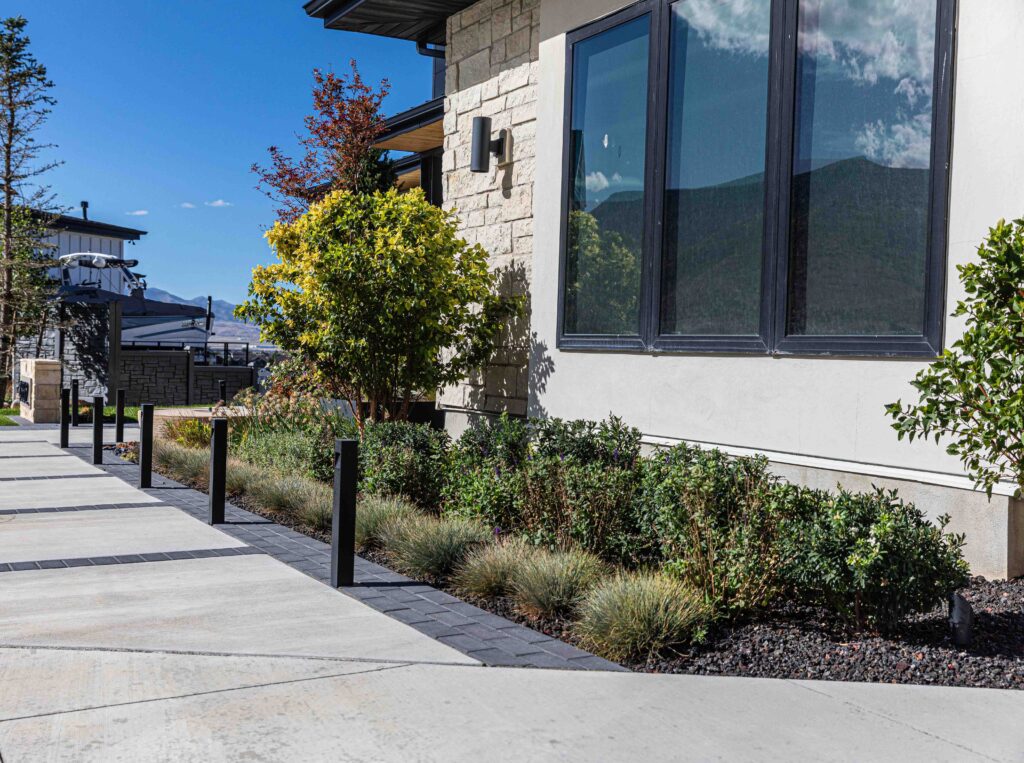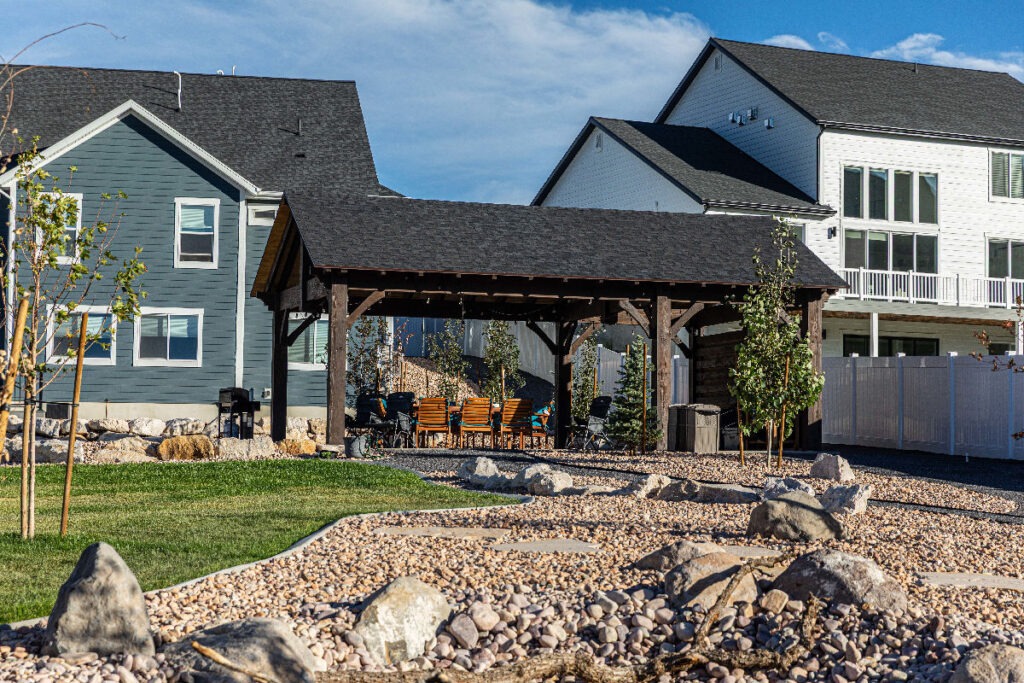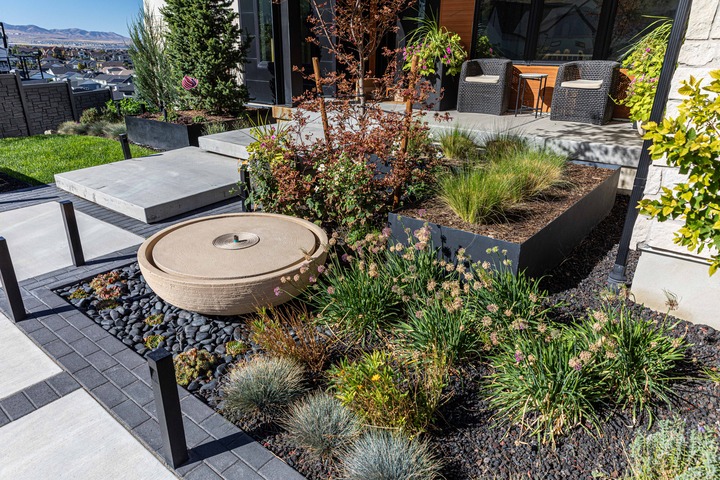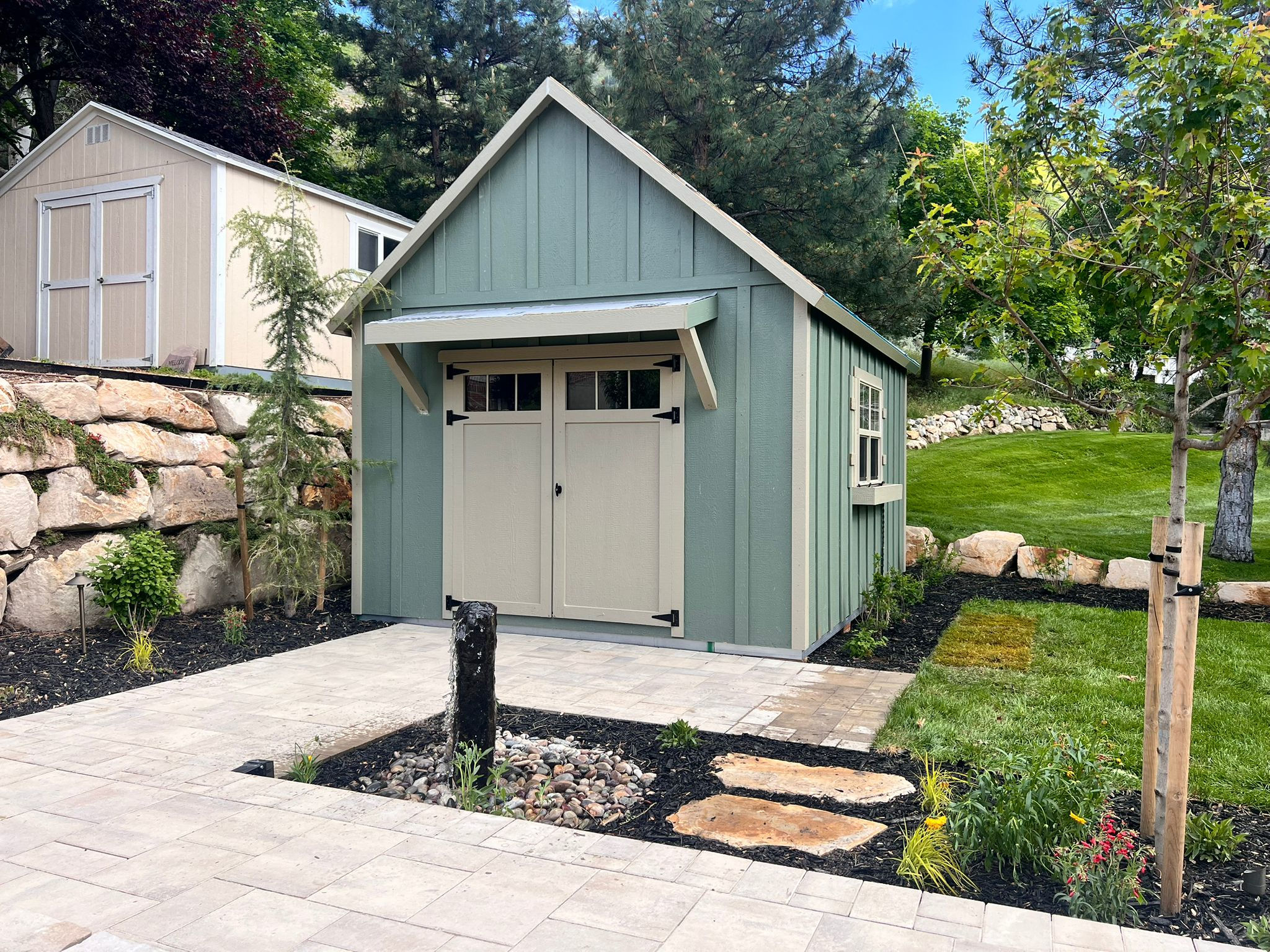
Professional landscape design follows a structured, repeatable sequence rather than starting with plant selection and ending at installation — understanding these seven steps helps Salt Lake City homeowners make informed decisions and avoid the redesigns that come from skipping ahead.
Step 1: Site Analysis and Property Evaluation
Every successful design begins with genuinely understanding the site: sun and shade patterns throughout the day, soil conditions, drainage and grading, existing vegetation worth preserving, utility locations and easements, and any slopes or elevation changes across the property. In Salt Lake City this step carries extra weight because of the region’s clay-heavy soils, varied elevation across neighborhoods, and freeze-thaw cycles that stress hardscape and plantings alike.
Step 2: Client Goals and Lifestyle Planning
Good design isn’t only about how a yard looks — it’s about how it’s actually used. A designer needs to know whether you entertain often, want a genuinely low-maintenance yard, need a kid- or pet-friendly layout, or are planning around a specific feature like a garden or outdoor kitchen. This step ensures the finished design fits your actual lifestyle rather than a generic template.
Step 3: Concept Design and Layout
With the site understood and goals defined, the designer sketches a rough layout showing zones for seating, dining, and play; walkways and circulation paths connecting them; garden and planting areas; and key focal points. This concept becomes the foundation every later decision builds on, which is why it’s worth taking time to get right before moving forward.
Step 4: Material and Plant Selection
Next comes choosing plants suited to Utah’s specific climate and soil, hardscape materials that can withstand the region’s freeze-thaw cycles without cracking or shifting, and colors and textures that complement the home’s architecture. Balancing visual appeal against durability and realistic maintenance needs is where a lot of the designer’s judgment comes into play.
Step 5: Irrigation and Drainage Planning
Water efficiency matters throughout Utah’s dry stretches, so this step covers drip irrigation for plant beds, zoned watering systems that match different areas’ actual needs, and a clear plan for directing runoff away from the home’s foundation to prevent pooling and erosion. Getting drainage right at the planning stage protects both the landscape and the house itself.
Step 6: Final Design and Documentation
The finished design package includes scaled drawings, plant lists, material specifications, and lighting and irrigation plans. These documents guide the installation crew and prevent the miscommunication that happens when a design exists only as a rough idea rather than a documented plan.
Step 7: Installation Coordination and Oversight
Many designers stay involved through installation to confirm materials match the plan, plants are spaced correctly, drainage is graded properly, and irrigation lines are installed where they belong. This oversight step protects both the design’s integrity and the homeowner’s investment in it.
Why Following Every Step Matters in Salt Lake City
Skipping steps — moving straight from a rough idea to installation, or handling irrigation as an afterthought — is one of the more common reasons Salt Lake City landscapes need rework within a few years. Poor drainage, plants that struggle in unsuitable conditions, and wasted materials are all predictable consequences of skipping the planning steps that would have caught these issues early. Following the full process, even on a modest-sized project, tends to produce a landscape that holds up through Utah’s extreme seasonal swings rather than needing repair after the first hard winter.
Frequently Asked Questions
Can I skip some of these steps to save time?
It’s possible on very simple projects, but skipping steps like site analysis or drainage planning on anything beyond basic planting tends to create problems that cost more to fix later than the time saved upfront.
How long does the full seven-step design process typically take?
Timelines vary with project complexity, but a thorough process from initial site analysis through final documentation commonly spans a few weeks for a residential project.
Is professional design really necessary for a smaller yard?
Even smaller projects benefit from proper site analysis and drainage planning — a professional process reduces the risk of costly mistakes regardless of the property’s size.
Millburn Lawn & Landscape follows a proven, professional design process tailored to Salt Lake City homes and climate conditions. Call us to start your custom landscape design.