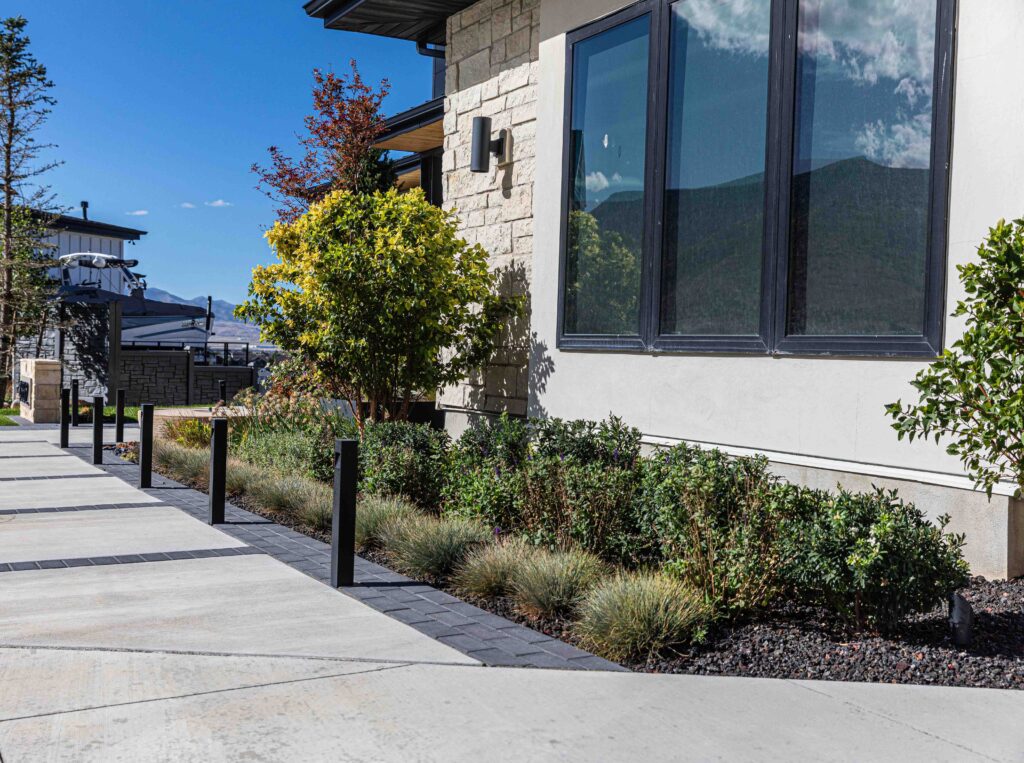
Succulent ground cover offers Salt Lake City homeowners a genuinely low-maintenance alternative to traditional planting — with a wide range of sizes, colors, and bloom types, succulents deliver real visual interest while asking far less in ongoing care.
Understanding Your Hardiness Zone First
Succulents generally thrive in hot, dry, frost-free environments, though the right varieties can also handle chillier, wetter climates well. Popular choices suited to a range of conditions include Caucasian stonecrop, hens and chicks, creeping sedum, ice plants, ghost plants, and echeveria — each bringing a distinct texture and color to a ground cover planting.
Why Succulents Work So Well for Xeriscaping
Succulents’ ability to withstand dry conditions makes them a natural fit for water-wise landscaping. In areas with genuine water limitations, they add lush-looking vegetation and colorful blooms without the irrigation demand of traditional groundcover. Their creeping growth habit also means fewer individual plants are needed to achieve meaningful coverage across a bed.
Getting the Soil Right Before Planting
Succulents generally require soil with genuinely good drainage. Heavy or clay-based soil can be lightened by mixing sand or gravel into the top few inches. Because succulents have limited root systems, they only need a few inches of well-drained soil to establish successfully — deep soil amendment isn’t necessary the way it is for deeper-rooted plants.
Establishing New Plantings the Right Way
New succulent ground cover needs frequent, light watering for the first month as it establishes. Avoiding organic mulch around succulents matters here — it can encourage fungi and pests, and retains more water than these arid-region plants actually need. Inorganic options like pea gravel or small stones work far better as a mulch alternative.
Ongoing Care for a Thriving Ground Cover
Succulents require relatively little maintenance once established, and their natural pest and disease resistance, along with tolerance for nutrient-poor soil, makes them genuinely easy to maintain. Deadheading spent blooms during flowering encourages new growth in their place. An annual application of liquid fertilizer at the start of the growing season helps ground cover thrive as summer approaches.
Watering Through the Growing Season
Despite being desert plants, some succulents still need meaningful hydration, with exact needs depending on climate, sunlight, and soil conditions. Watering thoroughly and then waiting until the soil is dry several inches down before watering again is the general rule — active growing season demands more water than winter dormancy does.
Weed Suppression as a Built-In Benefit
Beyond their low water needs, succulent ground cover’s dense, spreading growth habit naturally suppresses weeds, reducing yet another category of ongoing maintenance that traditional garden beds typically demand.
Frequently Asked Questions
Can succulent ground cover survive a Salt Lake City winter?
Many varieties, particularly hardy sedums and hens and chicks, tolerate cold well — choosing species genuinely suited to the local hardiness zone matters more than assuming all succulents need warm, frost-free conditions.
Why should organic mulch be avoided around succulents?
Organic mulch retains more moisture than succulents need and can encourage fungal growth and pests — inorganic options like pea gravel are a better fit for these dry-climate plants.
How much maintenance does succulent ground cover actually require?
Very little once established — occasional deadheading, annual fertilization, and periodic deep watering are generally all that’s needed to keep it thriving.
Combining Succulent Ground Cover With Other Xeriscape Elements
Succulent ground cover pairs naturally with other water-wise design elements — gravel pathways, boulder accents, drip irrigation for any adjacent plantings that need more water. Integrating succulents into a broader xeriscape plan, rather than treating them as an isolated feature, produces a more cohesive overall landscape.
Common Mistakes to Avoid With New Succulent Plantings
Overwatering during establishment is one of the most frequent mistakes homeowners make with succulent ground cover, since the instinct to water generously doesn’t match what these plants actually need. Similarly, planting in poorly draining soil without amendment often leads to root rot regardless of how well-suited the species is to the climate.
Need help planning or maintaining succulent ground cover? Contact Millburn Landscaping & Design for personalized guidance.