Salt Lake City’s arid climate and rugged natural beauty call for landscapes that combine genuine resilience with real refinement — drought-tolerant plants offer that balance, delivering visual elegance without the constant upkeep a traditional lawn-heavy yard demands.
Russian Sage
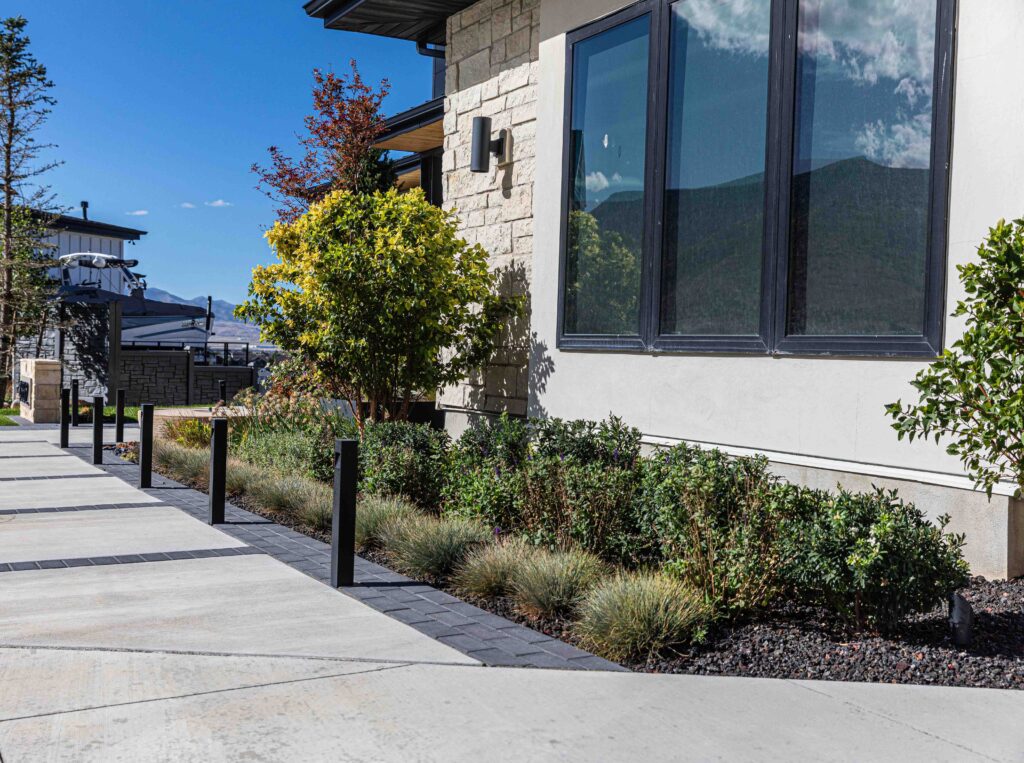
Thriving in full sun and naturally resisting deer, Russian sage adds wispy lavender blooms that create a soft, ethereal backdrop well suited to modern garden designs. Pairing it with ornamental grasses adds dynamic texture and movement that a single-species planting can’t achieve on its own.
Blue Agave
Frost-tolerant and genuinely sculptural, blue agave brings striking architectural form to sleek, minimalist landscape designs. Integrating agaves into raised beds or gravel gardens adds real visual drama without demanding the water a more traditional ornamental would require.
Lavender
Fragrant, low-water, and genuinely pollinator-friendly, lavender works especially well bordering walkways or framing a spa-like courtyard feel. Using lavender to frame outdoor seating areas adds both scent and softness, meaningfully enhancing the sense of relaxation those spaces are meant to offer.
Utah Serviceberry
This native shrub offers genuine year-round visual interest and works well as privacy screening on larger properties. Layering it alongside evergreens creates four-season structure that a purely deciduous planting scheme can’t provide on its own.
Red Yucca
Genuinely drought-proof with striking coral blooms, red yucca adds real architectural flair near entryways. Offsetting its spiky form with smooth boulders or a water feature creates visual contrast that highlights the plant’s distinctive shape rather than letting it blend into a busier planting bed.
Why Professional Design Matters for Drought-Resistant Landscapes
Selecting the right plants is only part of the equation — proper placement, soil optimization, and overall aesthetic balance are what separate an ordinary yard from a genuinely refined one. A professional design tailors plant choices to a property’s specific microclimate and soil type, avoids costly mistakes like overcrowding or poor drainage, and enhances curb appeal through strategic hardscaping and lighting that a plant-only approach can’t achieve alone.
Design Tips for a Genuinely Luxurious Drought-Tolerant Yard
Working with a professional to assess sun exposure, soil, and sightlines optimizes both plant health and overall visual flow. Mixing materials — pairing plants with locally sourced sandstone or corten steel planters — adds a genuinely high-end finish. Subtle uplighting showcases plant textures and architectural forms after dark, extending a landscape’s visual impact well into the evening.
What Professional Installation Adds Beyond Plant Selection
Sourcing mature, healthy plants from trusted nurseries gives a new landscape a stronger start than smaller nursery stock. Securing any needed permits for hardscaping or water features avoids delays or compliance issues down the line, and ongoing maintenance plans keep a landscape looking genuinely pristine well beyond the initial installation.
Frequently Asked Questions
Can I design a drought-resistant landscape myself?
DIY design is possible, but professionals bring genuine expertise in Utah’s clay soil conditions and help avoid common pitfalls like overcrowding that can undermine a design over time.
Do landscapers handle irrigation systems for drought-tolerant plants?
Yes — many offer smart irrigation solutions specifically tailored to drought-resistant plantings, ensuring water is used efficiently rather than wastefully.
How do I maintain a drought-resistant landscape once it’s installed?
Periodic pruning, seasonal mulching, and occasional irrigation system checks keep a drought-tolerant landscape looking its best with minimal ongoing effort.
Combining Drought-Tolerant Species for Layered Texture
The most visually rich drought-resistant landscapes rarely rely on a single standout species. Combining several of these plants — Russian sage’s airy texture alongside red yucca’s bold architectural form, or lavender’s soft color paired with Utah serviceberry’s structural presence — creates a layered, dimensional look that a single-species planting can’t achieve on its own.
Timing Installation for the Best Establishment
Planting drought-tolerant species in spring or fall, rather than the height of summer heat, gives roots time to establish before facing the full stress of Utah’s dry season. Plants installed at the right time of year generally need less supplemental watering during their first year than those planted during peak summer heat.
Ready to elevate your Salt Lake City outdoor space with drought-resistant plants? Contact Millburn Lawn & Landscape for expert design and landscaping services.