A pristine commercial lawn isn’t the result of frequent mowing alone — it’s the product of correct technique applied consistently, and getting each element right compounds into a noticeably more professional property over a full growing season.
Building a Reliable Mowing Schedule
Establishing a consistent mowing schedule matters more than most property managers expect. During active growing season, commercial lawns generally need mowing at least once a week — letting grass grow too long between mows leads to uneven results and gives weeds a competitive opening they wouldn’t otherwise have.
Getting Mowing Height Right
Most commercial lawns perform best mowed to a height of roughly two-and-a-half to three inches. Cutting shorter than that stresses the grass and makes it noticeably more vulnerable to pests and disease, while letting it grow too tall between mows creates its own set of problems with uneven cutting and thatch buildup.
Why Blade Sharpness Is Worth Tracking
Dull mower blades tear grass rather than cutting it cleanly, and torn grass is both visually rougher and more susceptible to disease than a clean cut. Checking and sharpening blades on a regular schedule — rather than waiting until cutting quality becomes obviously poor — keeps every mow at the same consistent standard.
Varying Mowing Direction
Mowing the same direction every time gradually compacts soil along repeated wheel paths and encourages grass to lean in one consistent direction rather than growing upright. Alternating between vertical, horizontal, and diagonal passes across different mowing sessions avoids both problems.
What to Do With Grass Clippings
Leaving clippings on the lawn after mowing returns real nutrients to the soil as they decompose, effectively acting as a light natural fertilizer. The key is keeping clippings short enough that they don’t smother the grass beneath them — which is generally already the case if the one-third mowing rule is being followed.
Edging and Trimming for a Finished Look
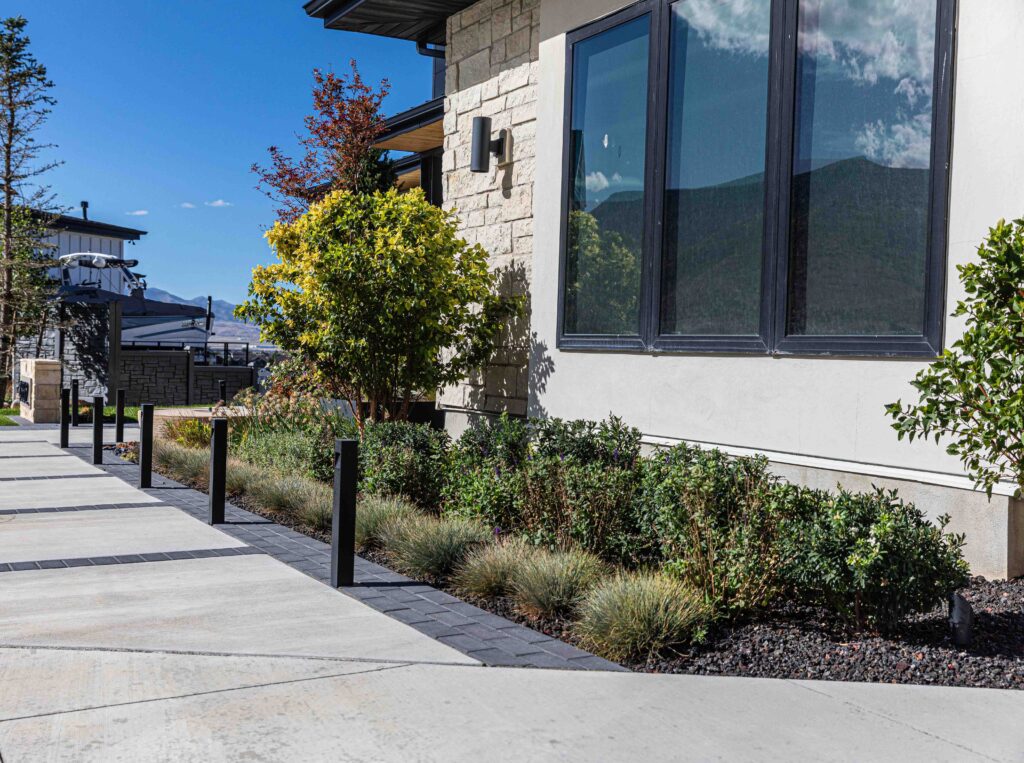
Clean edges along walkways, flower beds, and other obstacles give a commercial lawn its genuinely polished, professional look, even when the mowing itself is technically sound. Regular edging also prevents grass from creeping into areas where it doesn’t belong, keeping property boundaries visually crisp.
Quick Reference: Best Practices at a Glance
| Practice | Why It Matters |
|---|---|
| Weekly mowing in season | Prevents uneven growth and reduces weed competition |
| 2.5–3 inch height | Balances appearance with grass health and pest resistance |
| Sharp blades | Clean cuts reduce disease risk versus torn grass |
| Varied mowing pattern | Prevents soil compaction and uneven grass growth direction |
| Regular edging | Maintains a polished, defined property boundary |
When Professional Service Makes the Difference
While these practices are straightforward in principle, applying them consistently across a full growing season — with the right equipment, on a reliable schedule — is where professional service tends to outperform ad hoc or internal handling, particularly for larger commercial properties.
Frequently Asked Questions
What’s the ideal mowing height for a commercial lawn?
Roughly two-and-a-half to three inches works well for most commercial turf, balancing appearance with resistance to pests and disease.
How often should mower blades be sharpened?
Checking blade sharpness regularly throughout the season, rather than waiting for visibly poor cutting quality, keeps every mow consistently clean.
Does leaving grass clippings on the lawn cause problems?
Not when the one-third mowing rule is followed — clippings decompose quickly enough to add nutrients back to the soil without smothering the grass.
Handling Irrigation Alongside Mowing Practices
Mowing and watering schedules should be coordinated rather than managed independently — mowing immediately before or after heavy irrigation can compact wet soil and produce an uneven cut, so timing mowing for when the lawn is dry produces more consistent, professional-looking results.
Adjusting Practices Across the Growing Season
Best practices aren’t static throughout the year — spring’s rapid growth phase often requires more frequent mowing to stay within the one-third rule, while summer heat and slower growth may allow for a slightly extended interval between mows without sacrificing appearance.
For expert commercial lawn mowing that follows every one of these best practices, contact Millburn Lawn and Landscape today.