A commercial property is more than just a place of business — it’s a reflection of a brand’s identity and professionalism, and well-maintained landscaping is one of the most impactful ways to leave a genuinely positive impression on clients, customers, and tenants alike.
Why Commercial Landscape Maintenance Genuinely Matters
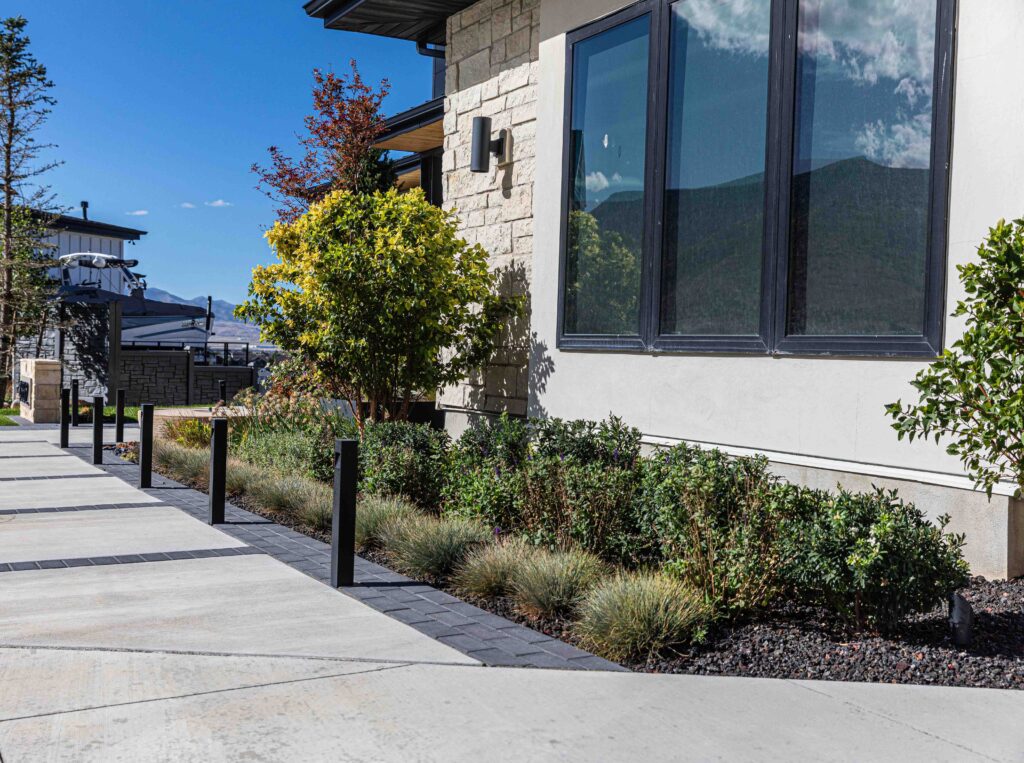
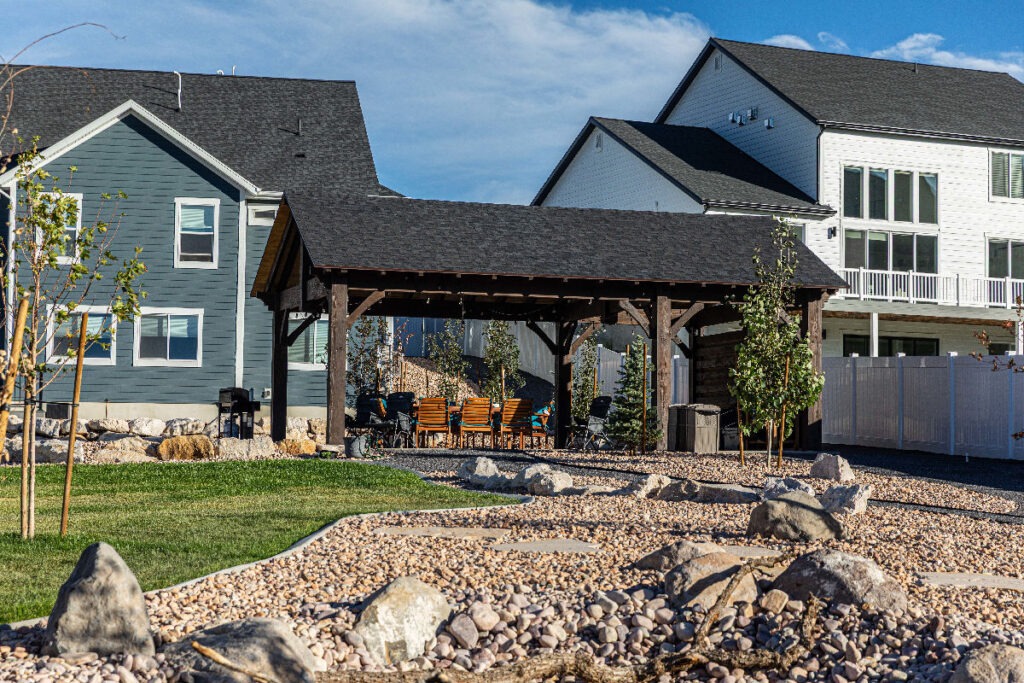
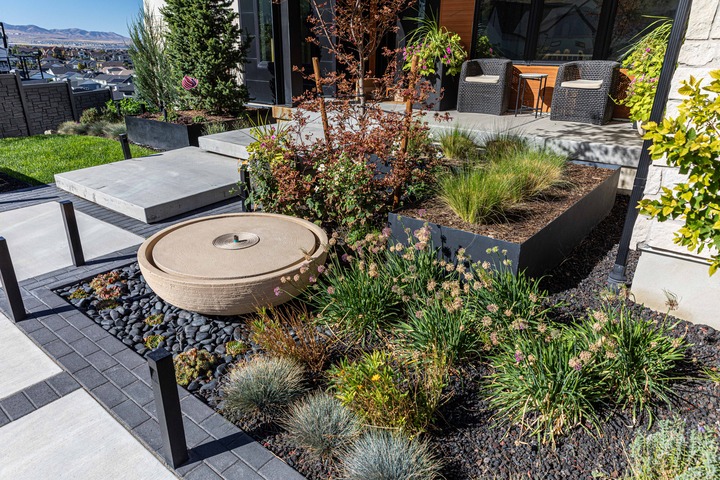
A well-maintained landscape does more than look attractive — it plays a real role in creating a strong first impression and enhancing a property’s overall appeal. Curb appeal, meaning how attractive a property looks from the street, has a direct effect on how inviting it feels to clients, customers, and tenants. Consistent maintenance ensures a property looks genuinely well-kept year-round rather than only during occasional cleanup pushes.
Landscaping’s Real Effect on Property Value
Investing in professional commercial landscape maintenance has a direct, measurable impact on a property’s overall value. A well-maintained landscape attracts potential buyers and tenants more effectively than a neglected one, and properties with genuinely attractive landscaping tend to command stronger interest and better terms in competitive markets.
Regular Lawn Mowing and Trimming
Consistent lawn mowing and trimming form the foundation of commercial landscape maintenance. Keeping grass at an appropriate height improves appearance while promoting genuinely healthy growth, and regular trimming of shrubs, hedges, and trees maintains clean lines while preventing the kind of overgrowth that makes a property look neglected.
Seasonal Clean-Up and Maintenance
Each season brings its own specific challenges for a commercial landscape — leaf removal in fall, snow removal in winter, and different growth management needs throughout spring and summer. Comprehensive seasonal clean-up ensures a property stays genuinely presentable year-round regardless of what the weather brings.
Irrigation System Maintenance
An efficient irrigation system is essential for maintaining healthy plants and lawns without wasting water. Regular inspection, maintenance, and adjustment ensure water gets distributed evenly and efficiently across the property, minimizing waste while promoting genuinely optimal plant health.
Weed Control and Pest Management
Weeds and pests can quickly undermine an otherwise well-maintained landscape if left unaddressed. A comprehensive weed control and pest management plan preserves the integrity of the overall landscape, catching problems while they’re still manageable rather than after they’ve spread.
Choosing the Right Plants and Materials
Selecting native plants genuinely suited to the local climate and soil reduces both water demand and ongoing maintenance compared to non-native alternatives. Choosing durable materials for hardscape features similarly minimizes long-term upkeep while ensuring those features hold up under regular commercial-property traffic.
Landscape Maintenance as a Genuine Business Investment
Prioritizing regular maintenance and effective landscaping strategies enhances curb appeal, supports property value, and creates a genuinely welcoming environment for everyone who interacts with the property — clients, customers, tenants, and employees alike.
Frequently Asked Questions
How often should commercial landscaping be maintained?
Regular mowing and trimming typically happen weekly during the growing season, with seasonal clean-up and irrigation checks scheduled around each season’s specific needs.
What’s the biggest factor in whether commercial landscaping actually affects property value?
Consistency matters more than any single feature — a property maintained well year-round tends to have a stronger, more lasting effect on perceived value than one with occasional high-effort cleanups.
Should weed control be handled separately from general maintenance?
Weed control and pest management typically work best as part of a comprehensive maintenance plan rather than a standalone service, since ongoing prevention is more effective than reactive treatment.
Balancing In-House Maintenance With Professional Service
Some commercial properties handle basic upkeep like mowing internally while contracting out specialized work like irrigation maintenance and pest management. This hybrid approach can work well, provided there’s clear coordination between internal staff and outside providers so nothing falls through the gaps between the two.
Setting Realistic Maintenance Expectations With Property Management
Property managers benefit from clear, documented maintenance schedules that set realistic expectations with ownership and tenants alike — rather than reactive maintenance driven only by visible complaints. A proactive schedule catches issues like early weed pressure or irrigation inefficiency before they become visible problems that affect tenant satisfaction.
Partnering with a professional landscaping company can help elevate your commercial property’s appearance and long-term value. Contact us to get started.