Salt Lake City winters look picturesque, but for businesses, unmanaged snow and ice create real safety hazards, operational disruptions, and costs that compound the longer they’re ignored.
Safety Hazards That Are Too Significant to Ignore
Uncleared snow and icy surfaces pose a genuine safety threat to anyone entering a property. Slip-and-fall accidents in parking lots or along walkways can result in serious injuries, real legal liability, and lasting damage to a business’s reputation. Proactive snow removal directly minimizes these risks while demonstrating a genuine commitment to visitor and employee safety.
Operational Disruptions When Snow Goes Unmanaged
Blocked entrances, inaccessible parking, and delayed deliveries are just a few of the ways unmanaged snow and ice disrupt daily business operations. Customers and employees both expect a safe, functional property regardless of weather — proactive snow management keeps a business open and running smoothly even through a significant winter storm.
The Real Cost of Waiting to Act
Delaying snow and ice management tends to increase costs rather than avoid them. Emergency, same-day service is generally more expensive and less reliable than planned, standing maintenance, and liability claims stemming from a preventable accident can escalate quickly. Investing in a proactive plan is a more cost-effective way to protect a business than reacting after conditions have already become hazardous.
Property Damage That Compounds Over a Winter Season
Melting snow that seeps into pavement cracks can lead to water damage, erosion, and further freeze-related deterioration as temperatures cycle through the season. Proactive removal and deicing treatment prevents this kind of damage before it starts, protecting pavement and infrastructure that would otherwise need repair once the snow finally clears.
Reputation Damage Is a Hidden but Real Cost
Customers judge a business by its appearance and accessibility, even in winter. A property left covered in snow and ice sends an unintentional message of neglect, making visitors feel less welcome than they would at a well-maintained competitor. A consistently clear, accessible property signals professionalism and builds genuine trust with the surrounding community.
Why Proactive Management Matters More in Salt Lake City
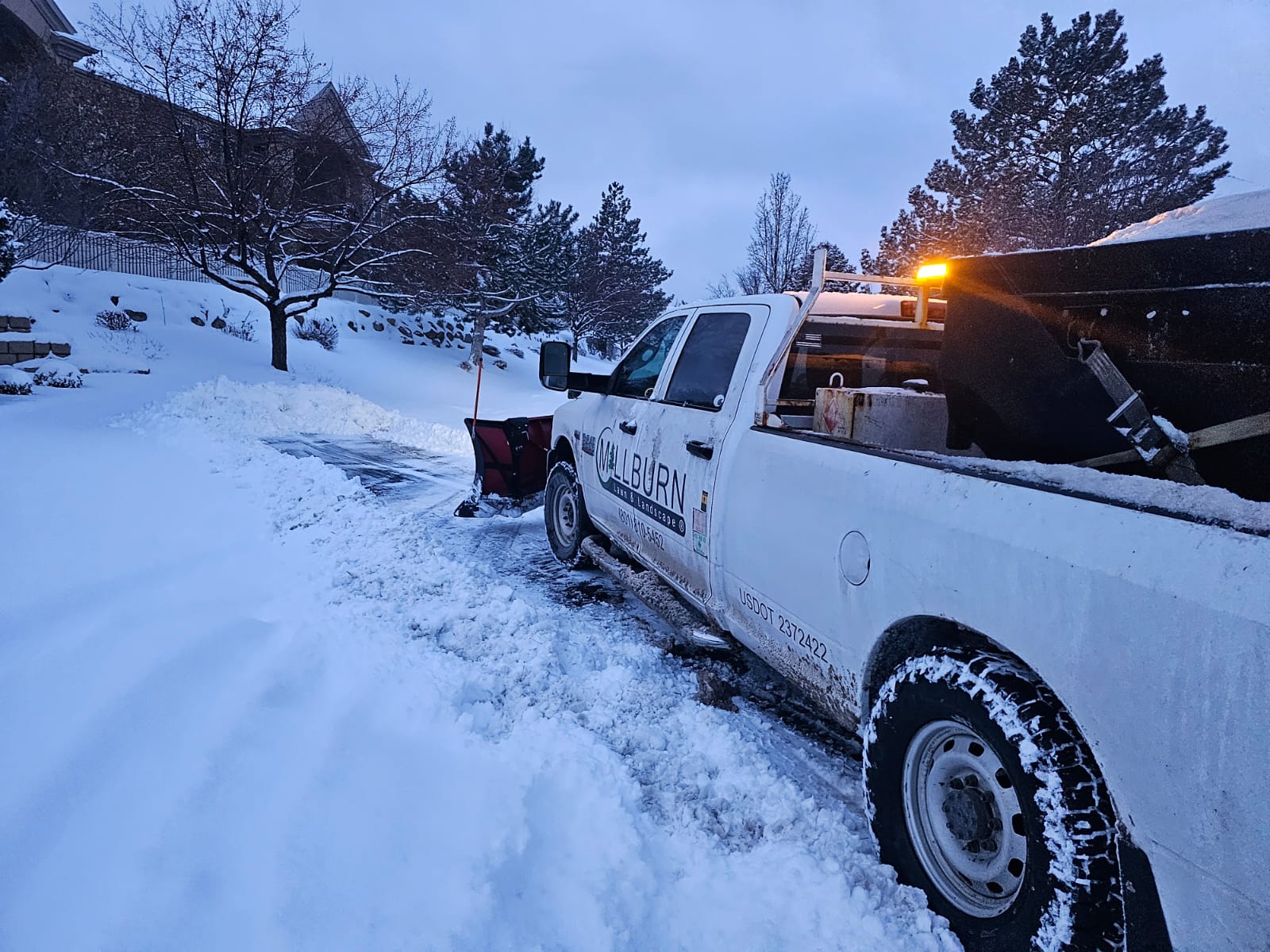
Salt Lake City’s winters are genuinely unpredictable, which makes a standing, dependable snow and ice plan more valuable than a reactive one. Professional providers use techniques like scheduled plowing, salting, and deicing to keep a property safe, accessible, and presentable throughout the entire season, rather than scrambling to respond after each individual storm.
What a Proactive Plan Actually Protects
Beyond the obvious safety benefit, proactive winter management protects operational continuity by keeping a business open and accessible, protects the budget by avoiding emergency-rate service and potential liability costs, protects the physical property from snow-related deterioration, and protects the business’s standing reputation within its community.
Frequently Asked Questions
Why is proactive snow management more cost-effective than reactive service?
Emergency, same-day snow removal typically costs more than a standing seasonal plan, and the cost of a liability claim from a preventable accident can far exceed either option.
What techniques do professional snow removal services typically use?
A comprehensive plan generally includes scheduled plowing, salting, and deicing treatments timed around actual storm activity rather than a single reactive visit.
How does unmanaged snow actually damage a property beyond the visible surface?
Melting snow seeping into pavement cracks can cause water damage and erosion as it refreezes, deteriorating pavement and infrastructure over the course of a winter season.
What a Standing Winter Service Agreement Typically Includes
A dependable agreement generally defines specific trigger conditions — a snowfall threshold that automatically initiates service — along with a clear scope covering parking areas, walkways, and any secondary access points like loading docks. Having these terms defined in advance removes the guesswork of deciding when and whether to call for service during an active storm.
Coordinating Winter Management With Broader Facility Planning
Snow and ice management works best when it’s treated as part of a property’s overall facilities plan rather than a separate, isolated service. Coordinating winter service scheduling with other facility needs — deliveries, peak business hours, tenant schedules — helps minimize disruption even when service is actively underway.
Contact our team for professional snow and ice management services in Salt Lake City, and keep your business running smoothly all winter.