A genuinely great landscape involves far more than planting flowers and laying down grass — a structured, deliberate design process ensures every project meets a client’s actual needs, from the first conversation through years of ongoing care.
Evaluating the Property and the Vision Together
The process begins with understanding both the property and the client’s vision for it. A thorough evaluation covers everything from climate to elevation, working to understand the property’s specific requirements, potential challenges, and unique site characteristics. This initial groundwork is essential for creating a design that genuinely aligns with the client’s vision rather than a generic approach applied regardless of site conditions.
Phase 1: Getting to Know the Client
The first phase centers entirely on understanding the client. A dedicated meeting reviews the client’s vision and identifies their specific needs, creating space to discuss ideas, preferences, and goals for the finished landscape. A successful design genuinely starts with a deep understanding of what the client actually wants, not an assumption based on similar past projects.
Phase 2: Design and Design Review
With a clear understanding of the vision established, the design process itself begins — involving site visits, concept revisions, and ongoing feedback to ensure the emerging design genuinely meets expectations. The client’s needs and preferences drive every decision in this phase, with the design team working closely alongside them to refine concepts until the client is fully satisfied with the proposed direction.
Phase 3: The Formal Proposal
Once the design is finalized, a formal, itemized proposal follows, including detailed information on what each phase of the project will deliver. Genuine transparency at this stage means the client has a clear understanding of both the scope and the plan for their landscape project before any construction begins.
Phase 4: Installation
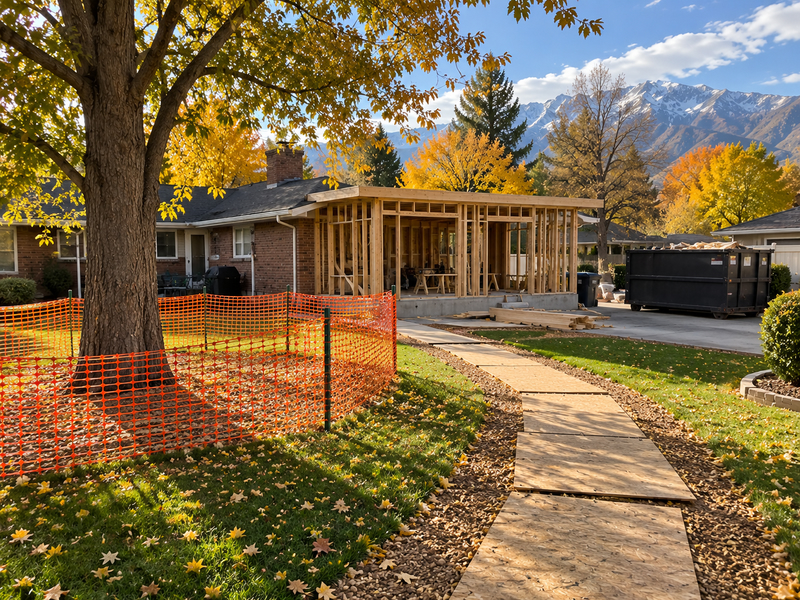
With the design approved, the project moves into installation. From the moment the first shovel goes into the ground until the final debris is swept away, the team stays committed to delivering genuine quality throughout. This phase is where the design transforms from a plan on paper into the actual physical property.
Phase 5: Ongoing Maintenance
The commitment to a landscape doesn’t end once installation wraps up. Maintenance services help keep the finished landscape looking its best well beyond the initial build, with a genuine understanding of the client’s vision informing how each element gets cared for going forward.
Phase 6: Relax and Enjoy the Result
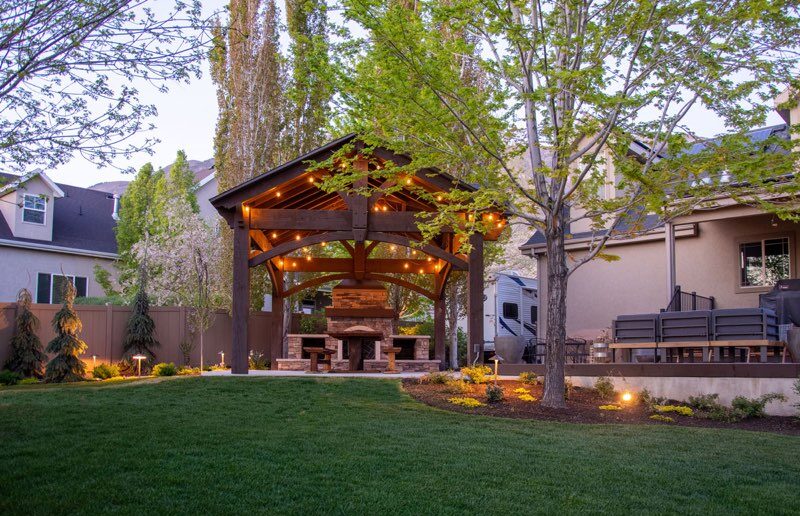
The final phase is simply enjoying the finished space. With professional maintenance and a design genuinely tailored to the client’s needs, the outdoor space becomes a lasting source of pride rather than an ongoing source of stress or unexpected upkeep.
Why a Structured Process Produces Better Outcomes
Moving deliberately through each of these phases — rather than rushing from a rough idea straight to installation — catches misalignments and site-specific challenges early, when they’re inexpensive to address, rather than after construction has already begun.
Frequently Asked Questions
How involved is the client during the design review phase?
Genuinely involved — this phase is built around ongoing feedback and revision, ensuring the design reflects the client’s actual preferences rather than a single, unchangeable first draft.
What happens if I want changes after the proposal is finalized?
The proposal stage is meant to lock in scope and expectations before installation begins, so working through revisions during the design review phase — before the formal proposal — is the most efficient path to a design you’re fully satisfied with.
Is maintenance included as part of the overall process?
Maintenance is typically offered as an ongoing service following installation, giving clients the option to keep their landscape professionally cared for well beyond the initial build.
What Makes This Process Different From a Rushed Design
Some landscape projects skip straight from a rough idea to installation, treating design as an afterthought rather than a genuine phase of the process. A structured, six-phase approach catches misalignments between vision and site conditions early — while they’re still inexpensive to address — rather than discovering them mid-construction when changes cost considerably more.
How Ongoing Maintenance Connects Back to the Original Design
Maintenance handled by a team that understands the original design intent tends to preserve a landscape’s character more effectively than a generic maintenance service unfamiliar with why specific choices were made. Knowing the reasoning behind a planting layout or hardscape feature informs how it should be cared for years down the line.
Contact Millburn Lawn & Landscape today to start your journey toward a beautiful, functional, and well-maintained landscape.