Maintaining a lush yard in Salt Lake City’s arid climate without wasting water is a genuine challenge — xeriscape landscape design offers a sustainable solution that blends real beauty with practicality rather than treating water conservation as a compromise.
Why Xeriscaping Makes Sense for Salt Lake City Yards
Xeriscaping isn’t just rock and cactus — it’s a strategic approach to water-wise landscaping that benefits Utah homeowners in several concrete ways: meaningfully lower water bills through drought-tolerant plant selection, minimal ongoing maintenance since there’s simply less to water and weed, genuine year-round visual interest from native plants suited to the climate, and real ecological benefit through reduced runoff and support for local pollinators.
Zone Planting by Water Needs
Grouping plants into high-, moderate-, and low-water zones, rather than scattering different water needs across the whole yard, keeps irrigation efficient. Placing thirstier plants in shadier areas and genuinely drought-resistant varieties in full sun matches each zone’s actual demand to how much water it realistically needs.
Incorporate Hardscaping as a Design Element
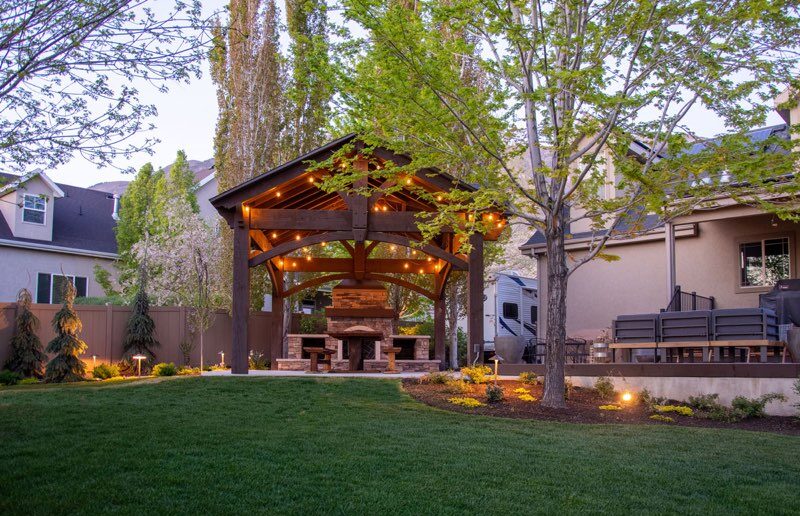
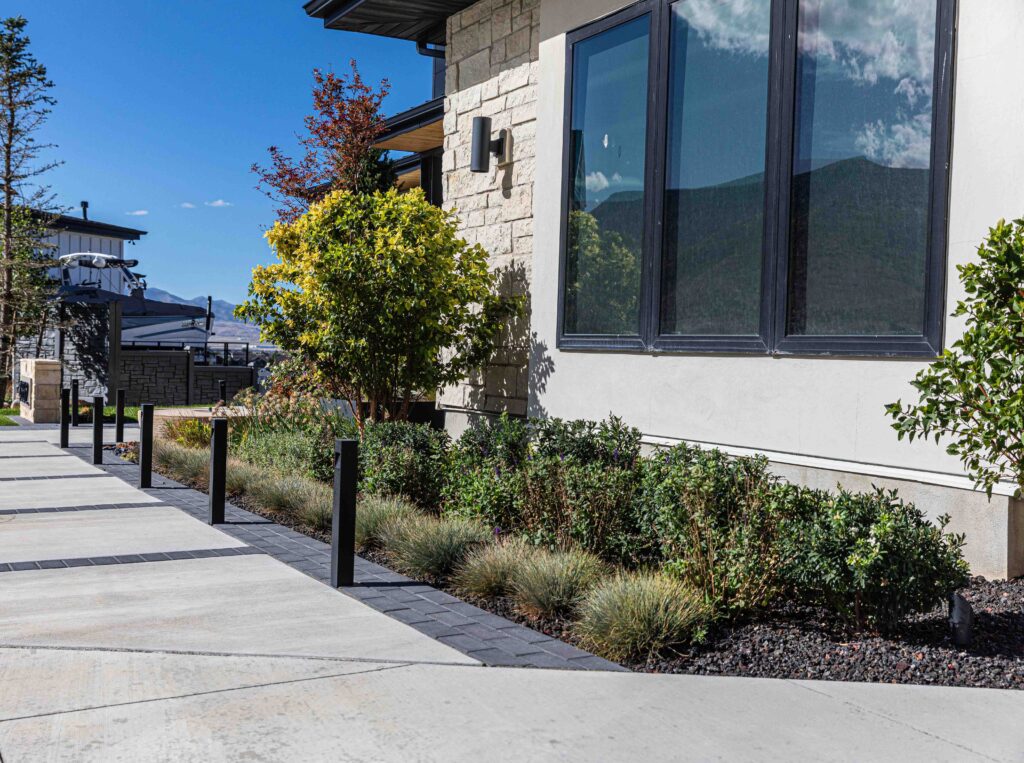
Patios, gravel paths, and stone features reduce overall lawn area while adding real texture and structure to a yard. Using locally sourced materials keeps the finished look genuinely tied to Utah’s natural aesthetic rather than feeling imported.
Choose Genuinely Drought-Resistant Plants
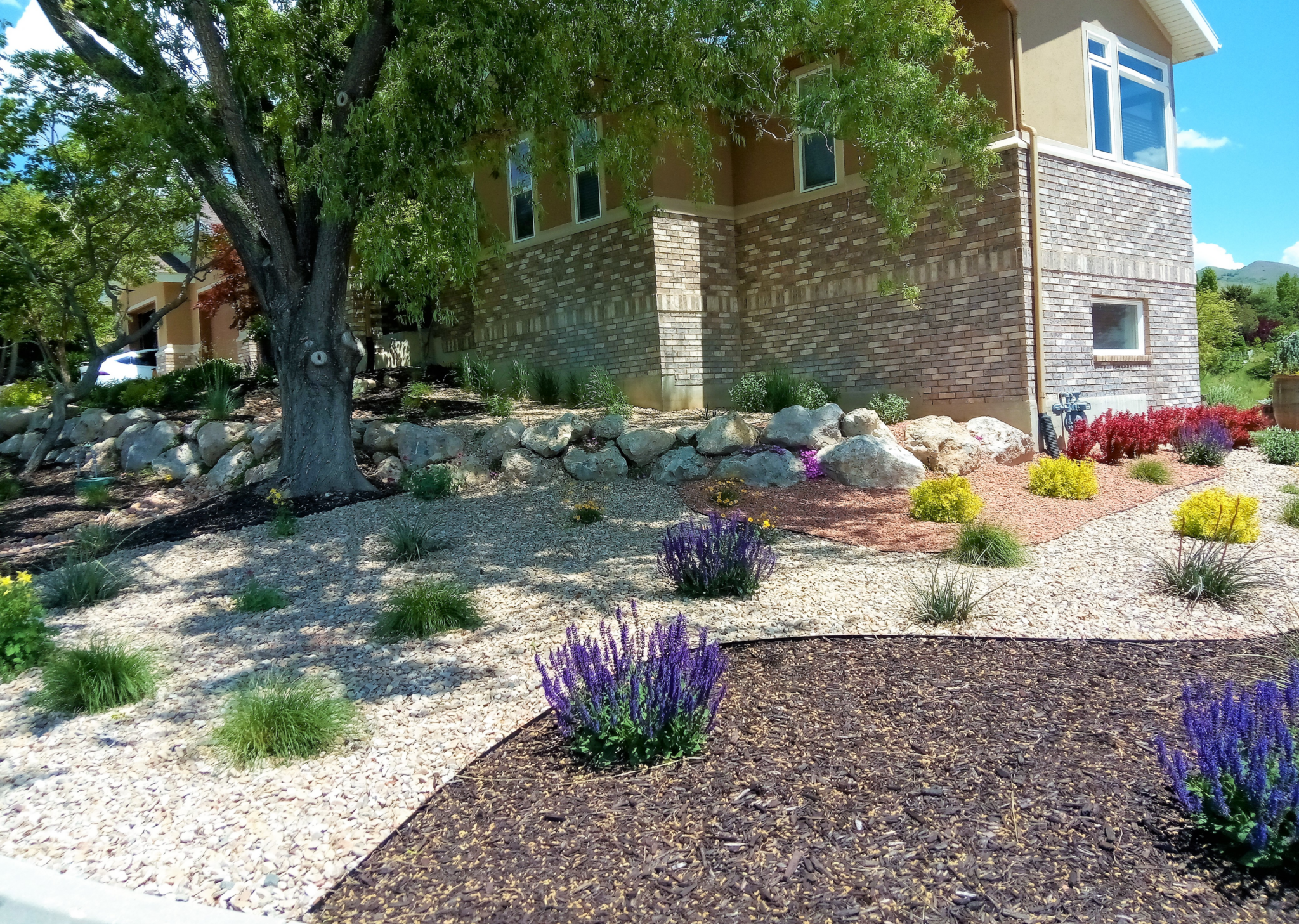
Salt Lake City favorites include Russian sage for its fragrant purple blooms, blue oat grass for ornamental resilience, and Utah serviceberry for its support of local wildlife alongside its visual appeal. Each performs reliably in the region’s soil and climate without demanding constant supplemental watering once established.
Install Genuinely Efficient Irrigation
Drip systems or smart controllers target water directly at plant roots rather than broadcasting it across an entire area, minimizing the waste that comes from traditional sprinkler systems watering hardscape and open ground along with actual plantings.
Low-Maintenance Habits That Keep a Xeriscape Thriving
A generous layer of bark or gravel mulch retains moisture and suppresses weeds without ongoing effort. Amending Utah’s often clay-heavy soil with compost improves drainage and gives plant roots an easier path to establish. Seasonal pruning in spring and fall encourages healthy new growth rather than letting plants become overgrown or woody.
Xeriscaping Doesn’t Mean Giving Up Color
A common misconception is that xeriscaping means a yard full of gravel and little else. Plants like blanket flower, penstemon, and yarrow bring genuinely vibrant color throughout the growing season, proving that water-wise design and visual interest aren’t mutually exclusive.
Frequently Asked Questions
How do I start converting my lawn to a xeriscape design?
Beginning with a soil test and consulting a xeriscape design specialist helps prioritize which areas of the yard will benefit most from an initial conversion.
Can a xeriscape yard really look colorful rather than sparse?
Yes — plants like blanket flower, penstemon, and yarrow add genuinely vibrant color while still requiring minimal supplemental water.
Does Salt Lake City offer any incentives for converting turf to water-wise landscaping?
Some local utilities have offered rebate programs for replacing turf with water-wise landscaping — checking with your utility provider or a local landscaping company can clarify what’s currently available.
Common Mistakes to Avoid When Converting to Xeriscape
Rushing the soil preparation step is one of the most frequent mistakes homeowners make — even drought-tolerant plants establish more reliably in properly amended soil than in unimproved clay. Overcrowding plants to achieve a fuller look immediately, rather than allowing for mature spread, is another common issue that leads to competition for water and nutrients within just a couple of growing seasons.
Transitioning Gradually From Turf
A full-yard xeriscape conversion doesn’t need to happen all at once. Many homeowners start by converting the highest-water, least-used sections of lawn first — often a side yard or a strip along a driveway — before expanding the approach to the rest of the property as budget and time allow.
Contact Millburn Lawn & Landscape to start your custom xeriscape design and build a sustainable yard you’ll enjoy for years.