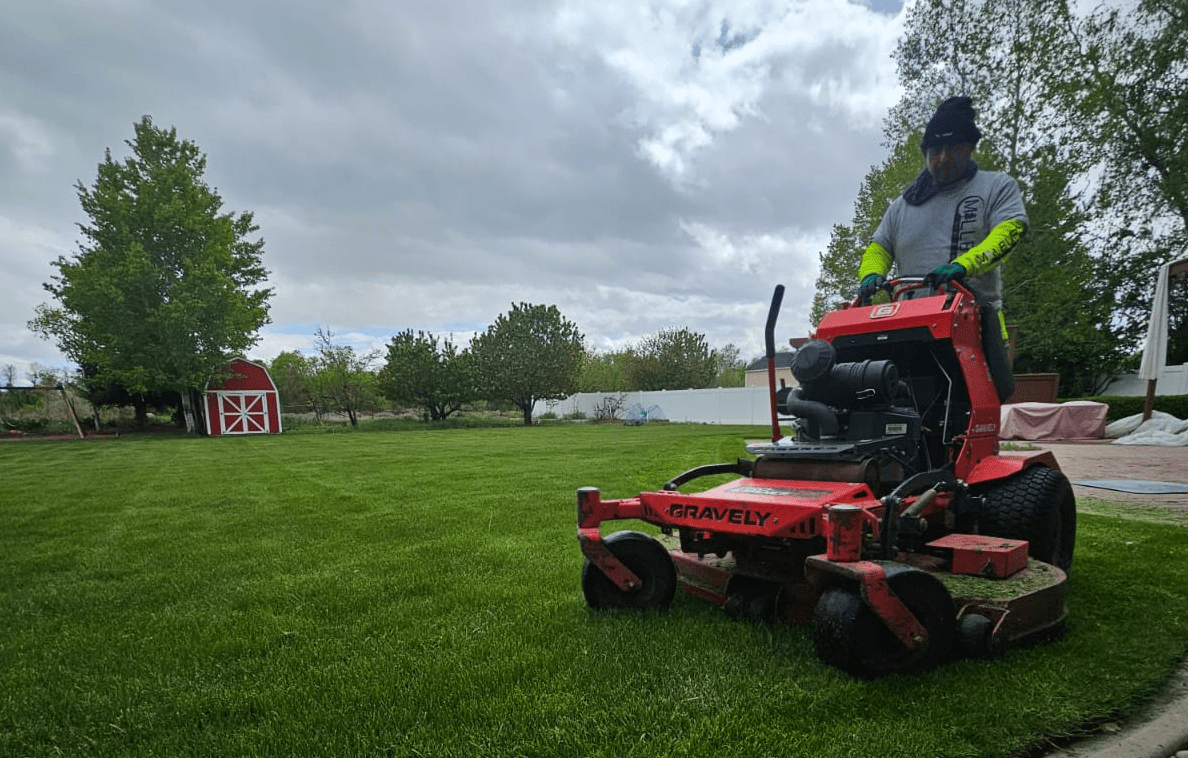
A perfectly manicured lawn takes more than owning a mower — the difference between an average lawn and a genuinely great one comes down to technique, timing, and a few maintenance habits most homeowners skip.
Why Proper Mowing Technique Actually Matters
Mowing isn’t just about keeping grass short — done correctly, it directly supports a lawn’s overall health, encouraging dense growth and stronger roots. Done poorly, it stresses the grass in ways that show up as thin patches, increased weed pressure, or a lawn that struggles through Utah’s hot summer stretches.
Choosing the Right Mower for Your Lawn
The right mower depends on your lawn’s size, terrain, and your own preferences — push mowers work well for smaller, flatter yards, riding mowers make sense for larger properties, and electric mowers offer a quieter, lower-maintenance option for many residential lawns. Matching the mower to the property avoids the inefficiency (and frustration) of using equipment poorly suited to the job.
Setting the Correct Mowing Height
Different grass types have different ideal mowing heights, and cutting too short is one of the most common lawn care mistakes homeowners make. Cutting grass shorter than its ideal height stresses the plant and creates open space for weeds to establish — knowing your specific grass type’s recommended height, and adjusting your mower’s cutting deck accordingly, is a simple fix with a real impact on lawn health.
Mowing Frequency: The One-Third Rule
A reliable guideline is never removing more than one-third of the grass blade’s height in a single mow. Following this rule, rather than mowing on a fixed calendar schedule regardless of growth rate, prevents the shock and stress that comes from cutting an overgrown lawn back too aggressively all at once.
Mowing in a Systematic Pattern
A methodical approach — mowing the perimeter first, then making parallel passes with slight overlap — produces even coverage and a uniform, professional-looking result. Varying the mowing direction between sessions, rather than always mowing the same way, prevents soil compaction and ruts from developing along the same wheel paths over time.
Keeping Your Mower Properly Maintained
A dull mower blade tears grass rather than cutting it cleanly, leaving ragged edges that turn brown and become more vulnerable to disease. Keeping blades sharp and the mower deck clear of accumulated clippings — which can block airflow and affect cutting performance — are simple maintenance habits that directly improve mowing results.
Finishing With Edging and Trimming
Clean edges along sidewalks, driveways, and garden beds give a lawn its finished, polished look, even when the mowing itself is done well. Regular edging and trimming also prevents grass from encroaching into non-lawn areas, keeping boundaries clean and defined.
Frequently Asked Questions
How often should I mow my lawn during Utah’s growing season?
Frequency should follow the one-third rule rather than a fixed schedule — during peak spring growth this may mean weekly mowing, while slower summer growth periods can stretch the interval slightly.
Why does mowing height matter so much for lawn health?
Cutting too short stresses the grass plant, weakens root development, and opens space for weeds to establish — maintaining the correct height for your specific grass type supports overall lawn density and resilience.
Should I bag or mulch my grass clippings?
Mulching is generally preferable when following the one-third rule, since the clippings are short enough to break down quickly and return nutrients to the soil rather than smothering the lawn.
Watering and Mowing Work Together
Mowing height and irrigation practices directly affect each other — a lawn cut too short loses more moisture to evaporation since there’s less blade surface to shade the soil, meaning a lawn mowed at the correct height for its grass type actually needs less supplemental water to stay healthy through Utah’s hot, dry summer stretches. Coordinating mowing height with your watering schedule, rather than treating them as unrelated tasks, produces a noticeably more resilient lawn.
Seasonal Adjustments to Your Mowing Routine
Mowing needs shift through the growing season — spring’s rapid growth often calls for weekly mowing to stay within the one-third rule, while the heat of midsummer can slow growth enough to stretch that interval. Adjusting your mowing frequency to match the lawn’s actual growth rate, rather than sticking to a fixed weekly schedule year-round, keeps the lawn healthier and reduces unnecessary wear on both the grass and the mower.
Millburn Lawn & Landscape provides residential lawn mowing and maintenance across Salt Lake City. Call us to keep your lawn looking its best all season.