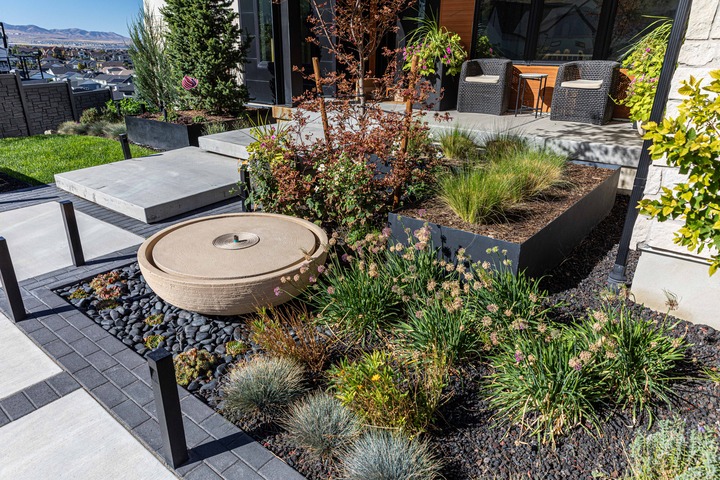
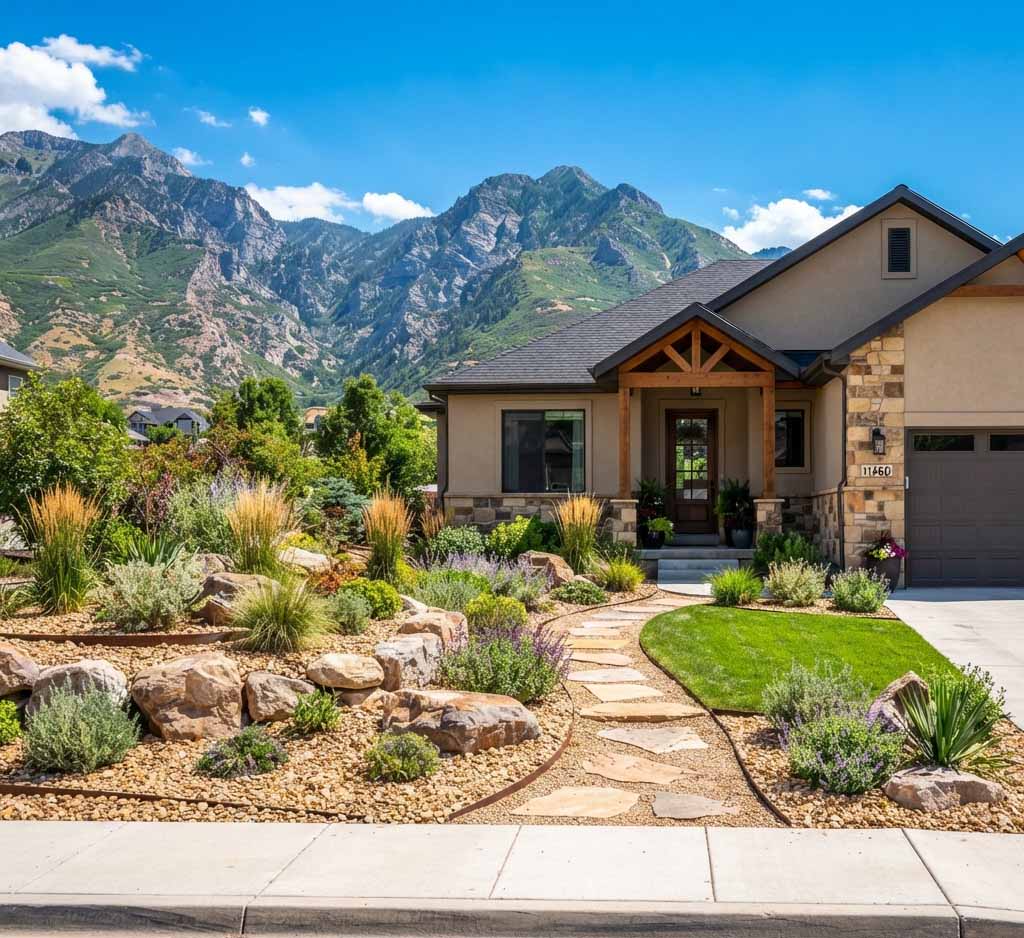
A flower bed brings genuine visual life to a Salt Lake City yard, but the ongoing upkeep can become a real time and cost burden without a few strategic design choices made early on.
Choosing a Shape That’s Actually Easy to Maintain
Beauty matters, but shape affects long-term maintenance considerably. Sharp angles are genuinely difficult to trim and maintain with a lawnmower, and while a weed whacker can handle angled edges, it demands considerably more effort than necessary. Designing flower beds with gentle, smooth curves saves real time and effort on every single mowing session for years to come.
Installing Weed-Control Barriers Properly
Landscape fabric is a genuinely effective weed deterrent, making it difficult for weeds to break through from below. That said, weed seeds that develop above the fabric layer can still send roots down through the material over time, so an additional layer of mulch on top provides meaningful extra protection. The most effective installation method involves laying the fabric first, then cutting X-shaped slots specifically where flowers will be planted — a technique that maximizes weed suppression while still allowing intentional plantings to establish properly.
Selecting a Theme That Matches Your Maintenance Tolerance
Formal flower beds typically feature fewer flower varieties arranged in geometric patterns and straighter lines, often incorporating shrubs and yews as structural borders — a look that requires more precise, consistent upkeep to maintain its crisp lines. Informal flower beds embrace a wider range of flower varieties in varying sizes, shapes, and colors, with softer, less rigid borders that allow plants to develop more naturally with only light trimming. Choosing a theme genuinely suited to how much ongoing maintenance you’re willing to commit to avoids the frustration of a formal bed that quickly looks unkempt without diligent care.
Why These Three Choices Compound Over Time
Each of these decisions — bed shape, weed barrier installation, and overall theme — individually reduces maintenance burden, but together they compound into a meaningfully lower total time investment across a full growing season compared to a bed designed without these considerations in mind.
When Professional Help Still Makes Sense
Even a well-designed, low-maintenance flower bed benefits from periodic professional attention — seasonal cleanup, pest monitoring, and occasional refresh planting. For homeowners who want the visual benefit of a flower bed without any ongoing personal time investment, professional lawn care and landscaping services offer a range of options suited to a garden’s specific needs.
Frequently Asked Questions
Does bed shape really make a meaningful difference in maintenance time?
Yes — curved beds are considerably easier to mow around than beds with sharp angles, which require more careful, time-consuming trimming with a weed whacker.
How effective is landscape fabric at preventing weeds long-term?
Genuinely effective when paired with a mulch layer on top — fabric alone can still allow weed roots to grow down through it once seeds germinate above the surface.
Which requires less maintenance, a formal or informal flower bed?
Informal beds generally require less precise, ongoing maintenance since their looser structure tolerates natural growth better than a formal bed’s crisp geometric lines.
Combining All Three Strategies for Maximum Savings
These three approaches compound when used together — a smoothly curved bed with properly installed weed fabric and a maintenance-appropriate theme delivers meaningfully lower upkeep than addressing any single factor alone, making the combined approach worth the modest upfront planning effort.
Revisiting Maintenance Strategy as a Bed Ages
A flower bed’s maintenance needs shift over its lifespan — weed barriers may need refreshing after several years, and a bed’s shape sometimes benefits from adjustment as surrounding landscaping changes, making periodic reassessment worthwhile even for a well-designed original layout.
Contact professional lawn care and landscaping specialists to design a flower bed that fits your garden’s specific needs and maintenance preferences.