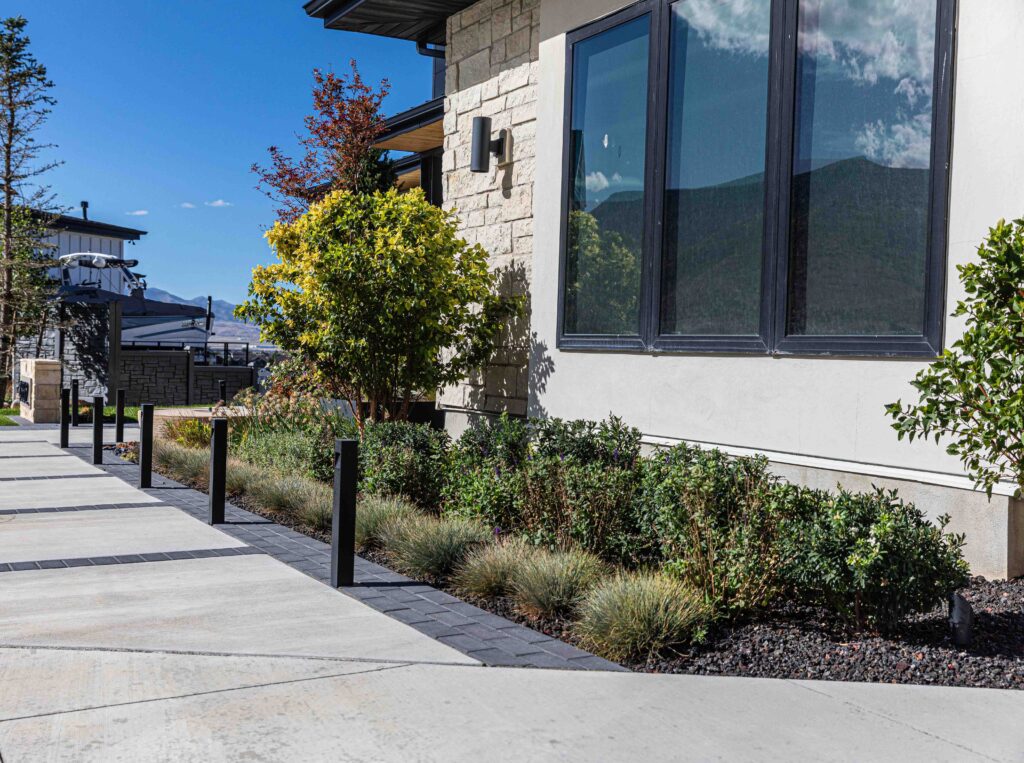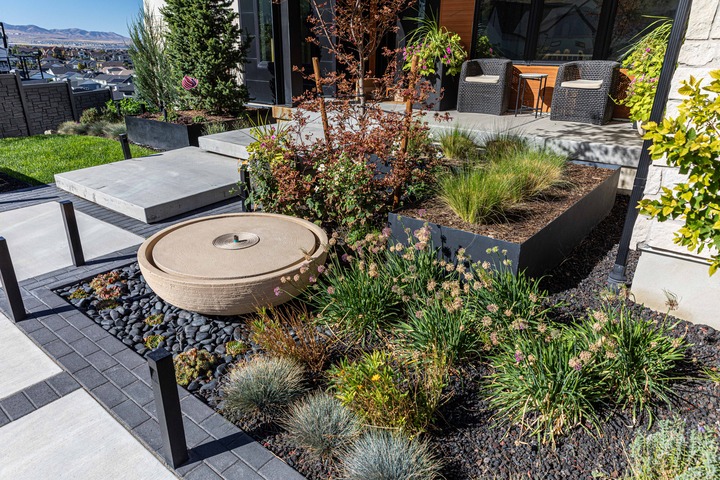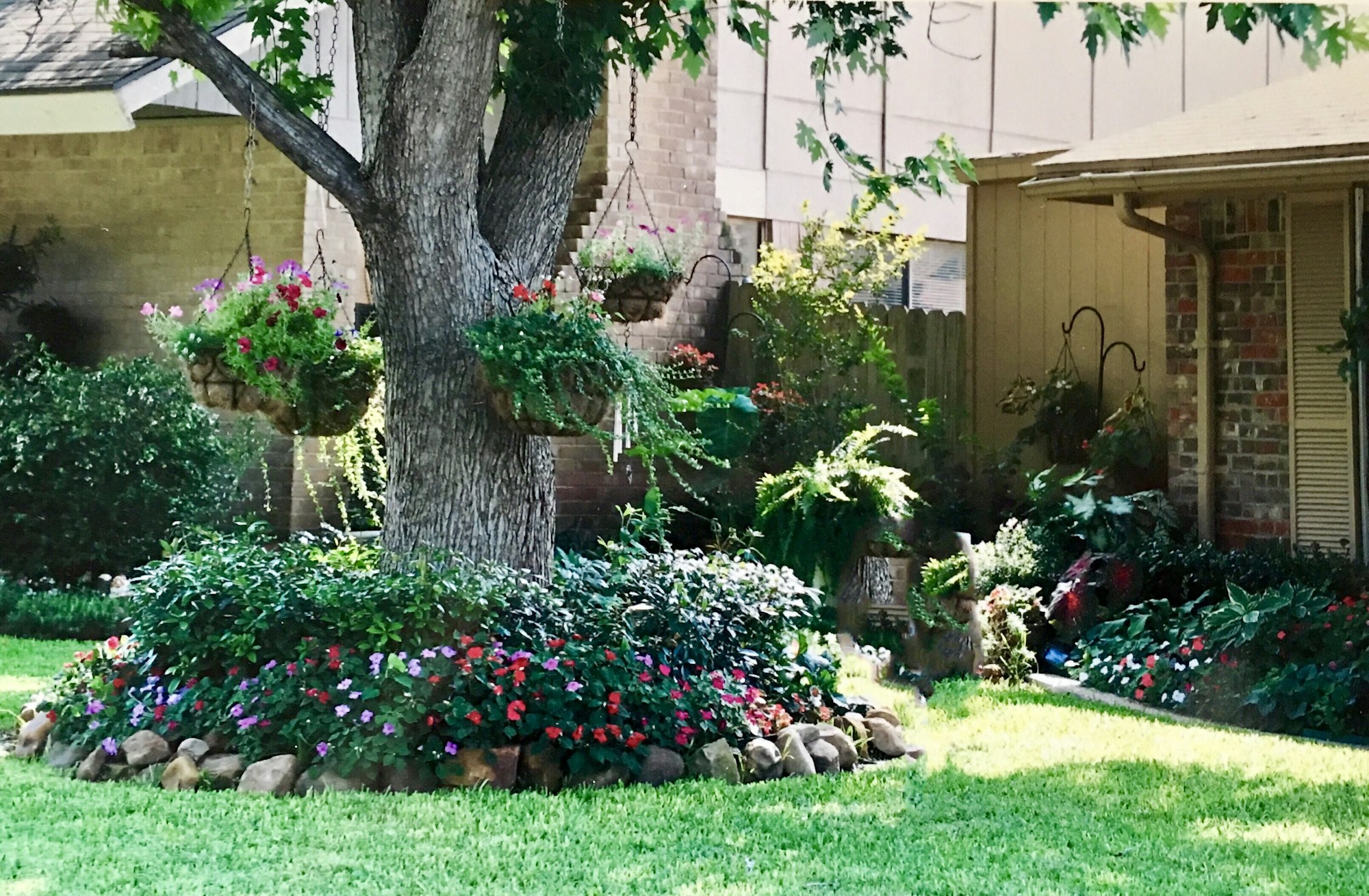
Native Utah plants aren’t just an eco-friendly choice for a Salt Lake City yard — they’re a practical way to reduce water use, cut down on maintenance, and support local wildlife, since these species are already adapted to exactly the conditions your yard has to offer.
Why Native Plants Perform Better Here
Species like sagebrush, Utah serviceberry, and golden columbine are adapted to Utah’s arid climate, rocky soils, and wide temperature swings in a way imported ornamentals simply aren’t. That adaptation translates into real advantages: reduced water demand once established, fewer pesticides and fertilizers needed to keep them healthy, and genuine support for pollinators like bees and hummingbirds that evolved alongside these same species.
Choosing Plants Suited to Your Specific Space
Focusing on species suited to Salt Lake City’s growing zone narrows the choices considerably. Quaking aspen and Rocky Mountain maple work well as trees, cliffrose and bigtooth maple perform reliably as shrubs, and firecracker penstemon and blue flax bring color as perennials. Matching specific species to a yard’s actual sun exposure and soil type — rather than choosing based on appearance alone — is what determines whether a native planting thrives or struggles.
Designing for Color and Interest Across the Whole Year
A well-planned native landscape doesn’t go flat and lifeless outside of peak bloom season. Pasqueflower offers early spring color, scarlet gilia holds up through summer’s driest stretches, and rubber rabbitbrush’s golden fall blooms pair with redtwig dogwood’s vibrant winter stems to keep the yard visually interesting well into the colder months.
Grouping Plants by Water Needs
Creating distinct “hydrozones” — grouping plants with similar water requirements together — streamlines irrigation considerably. Keeping thirstier species like maidenhair fern separate from genuinely drought-resistant plants like prickly pear cactus means each zone can be watered according to what it actually needs, rather than either overwatering the drought-tolerant plants or underwatering the thirstier ones.
Pairing Native Plants With Sustainable Hardscaping
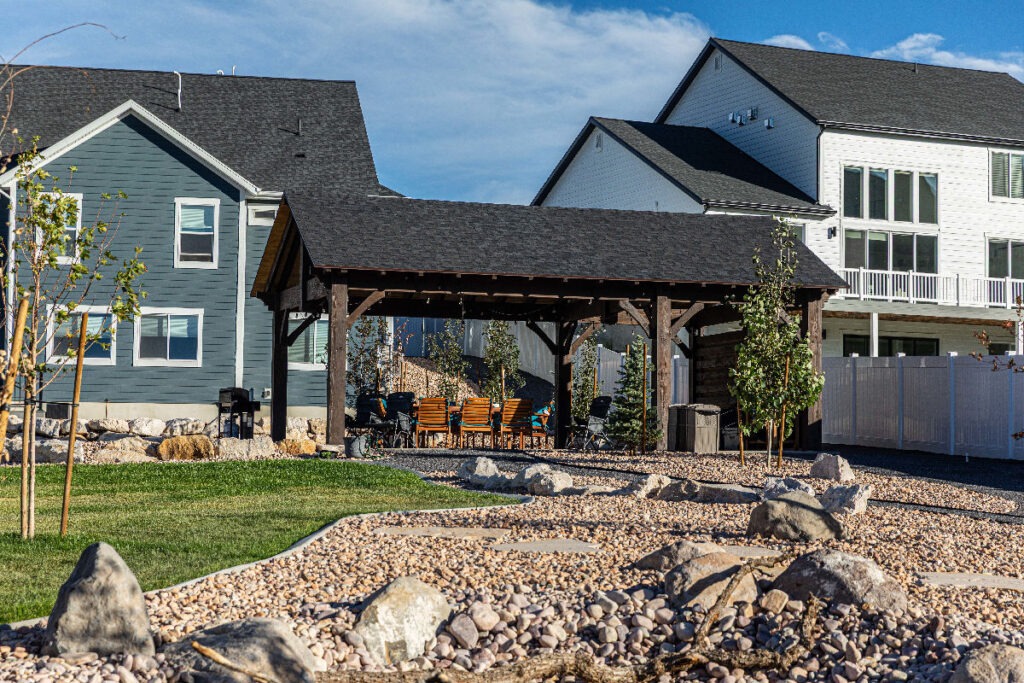
Permeable pavers, rock gardens, and dry creek beds pair naturally with native plantings, helping manage runoff while echoing Utah’s natural terrain rather than looking like an imported garden style dropped into a desert climate.
Soil Health Through Mulch and Compost
Organic mulch retains moisture and suppresses weeds around native plantings, while compost improves soil structure over time — a meaningful benefit in Utah’s often clay-heavy soils, where better structure helps roots establish and spread more easily.
How Professional Help Simplifies the Process
Designing a full native plant landscape can feel like a lot to take on alone. Working with a Salt Lake City landscaping company brings expert plant selection that avoids costly mismatches, efficient irrigation systems genuinely tailored to native plants’ needs, and a custom design plan that balances aesthetics with sustainability rather than treating them as competing priorities.
Frequently Asked Questions
Will native plants survive Utah’s harsh winters?
Yes — species like sagebrush and serviceberry are cold-hardy and adapt well to frost, since they’ve evolved specifically to handle the region’s winter conditions.
How much water do native plants need once established?
Most native species thrive on natural rainfall alone once established, though temporary supplemental irrigation is typically needed during the first one to two years.
Can I mix non-native plants in with Utah natives?
Yes — non-invasive, drought-tolerant companions like lavender or yarrow generally pair well with native species without competing for water or space.
Working Native Plants Into an Existing Landscape
You don’t need to start from scratch to bring native plants into your yard. Replacing a struggling non-native shrub or an underperforming section of lawn with native alternatives, one area at a time, lets you build toward a fully native landscape gradually while learning what performs best on your specific property along the way.
Supporting Pollinators Through the Full Growing Season
Choosing native species with staggered bloom times doesn’t just benefit the yard’s appearance — it gives pollinators a consistent nectar source from early spring through fall, rather than a single burst of blooms followed by months with little to offer. This kind of continuous support is one of the clearest ecological advantages native landscaping has over a traditional ornamental yard.
Millburn Lawn & Landscape brings expertise in native Utah plant design to Salt Lake City yards. Schedule a consultation to start your sustainable landscape.