One of the most common questions West Jordan homeowners ask during the landscape design process is:
“How do you decide where patios, walkways, and plants should go?”
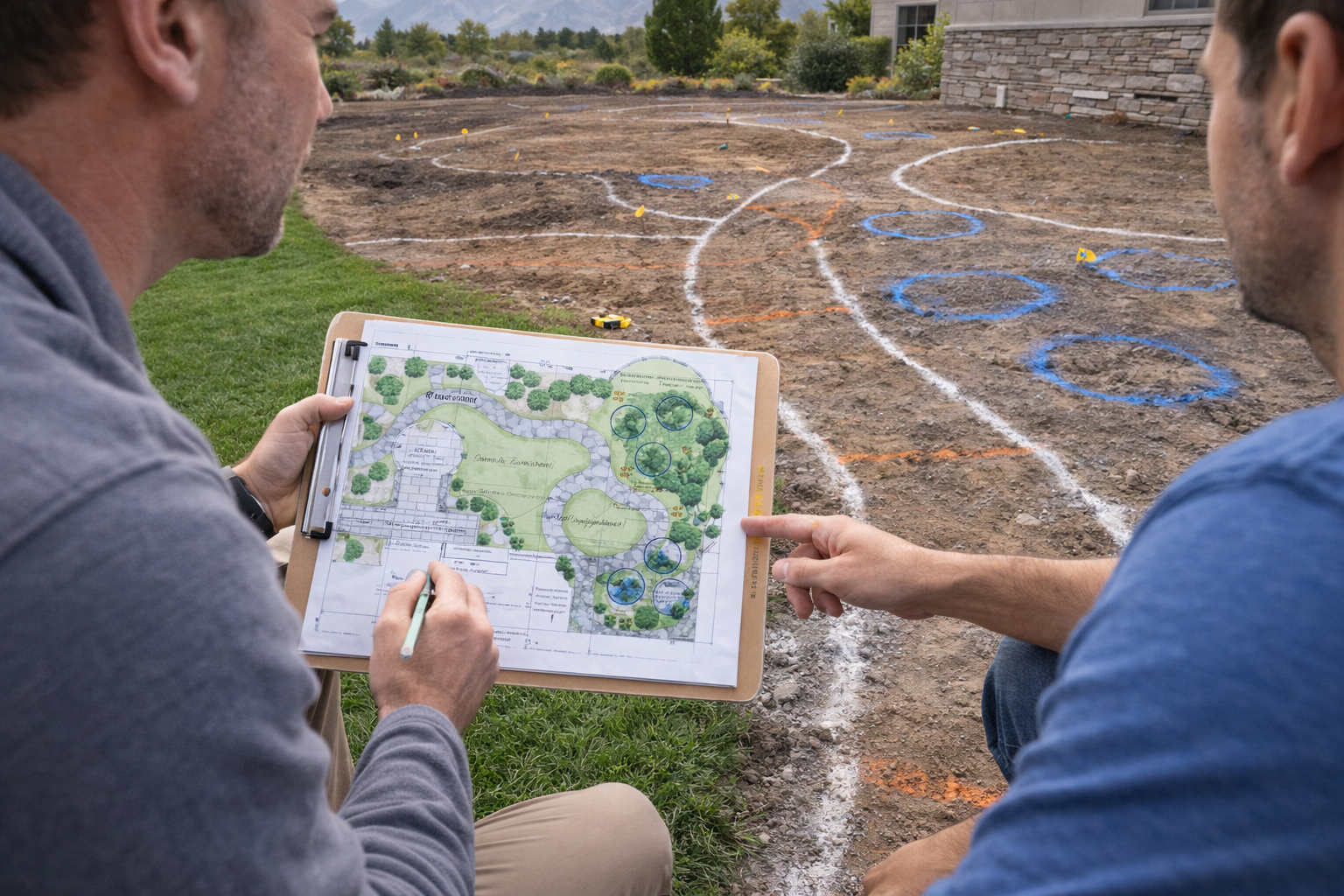
From the outside, it can seem like landscape design is mostly about aesthetics. In reality, professional landscape design is a carefully planned process that balances how you use your yard, how water and sun move across the property, and how the landscape will mature over time.
In West Jordan, Utah, these decisions are especially important because of clay soils, seasonal temperature swings, water considerations, and varying lot elevations. This guide explains exactly how designers determine the placement of patios, walkways, and plants—and why thoughtful placement makes the difference between a yard that works and one that constantly causes problems.
Landscape Design Always Starts With Function
Before a designer ever decides where a patio or planting bed goes, the first question is simple:
How will the homeowner use the space?
In West Jordan, yards often need to serve multiple purposes, such as:
- Entertaining guests
- Family gatherings
- Outdoor dining
- Relaxation and privacy
- Safe movement around the home
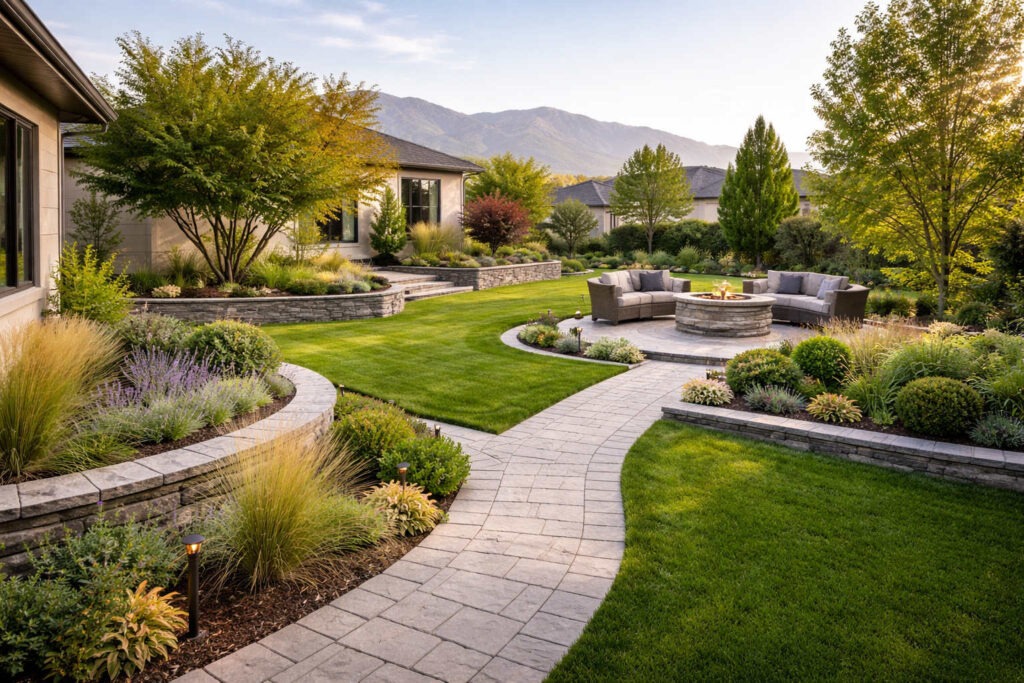
Patios are placed where people naturally want to gather, walkways are placed where people naturally move, and plants are placed where they support both beauty and function.
A design that looks good but ignores function almost always leads to frustration.
Understanding Natural Traffic Flow
One of the biggest mistakes in DIY landscaping is forcing movement instead of guiding it.
How Designers Place Walkways
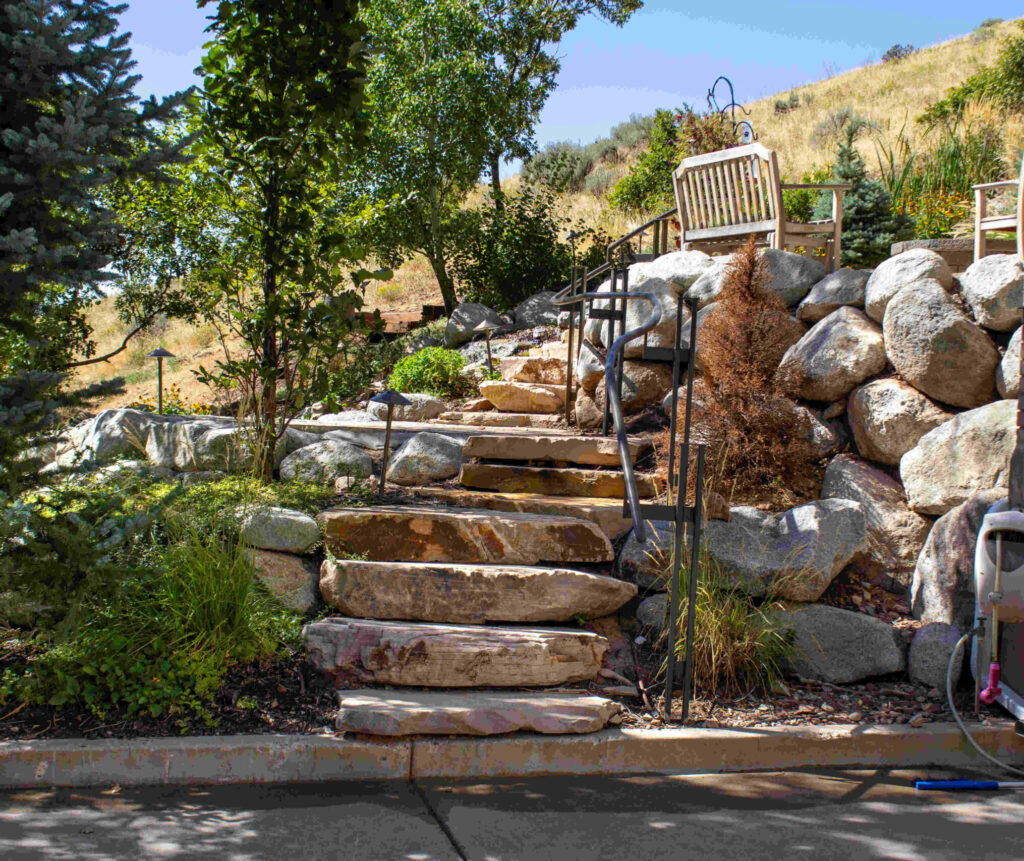
Walkways are designed based on:
- How people enter and exit the home
- How guests move from driveways to doors
- How homeowners access patios, gardens, and yards
- Safety during snow and ice in winter
In West Jordan, walkway placement also considers:
- Drainage during snowmelt
- Avoiding icy shaded areas
- Minimizing slopes where possible
If people constantly cut across grass, it’s a sign the walkway is in the wrong place.
Deciding Where Patios Belong
Patio Placement Is About Comfort, Not Just Space
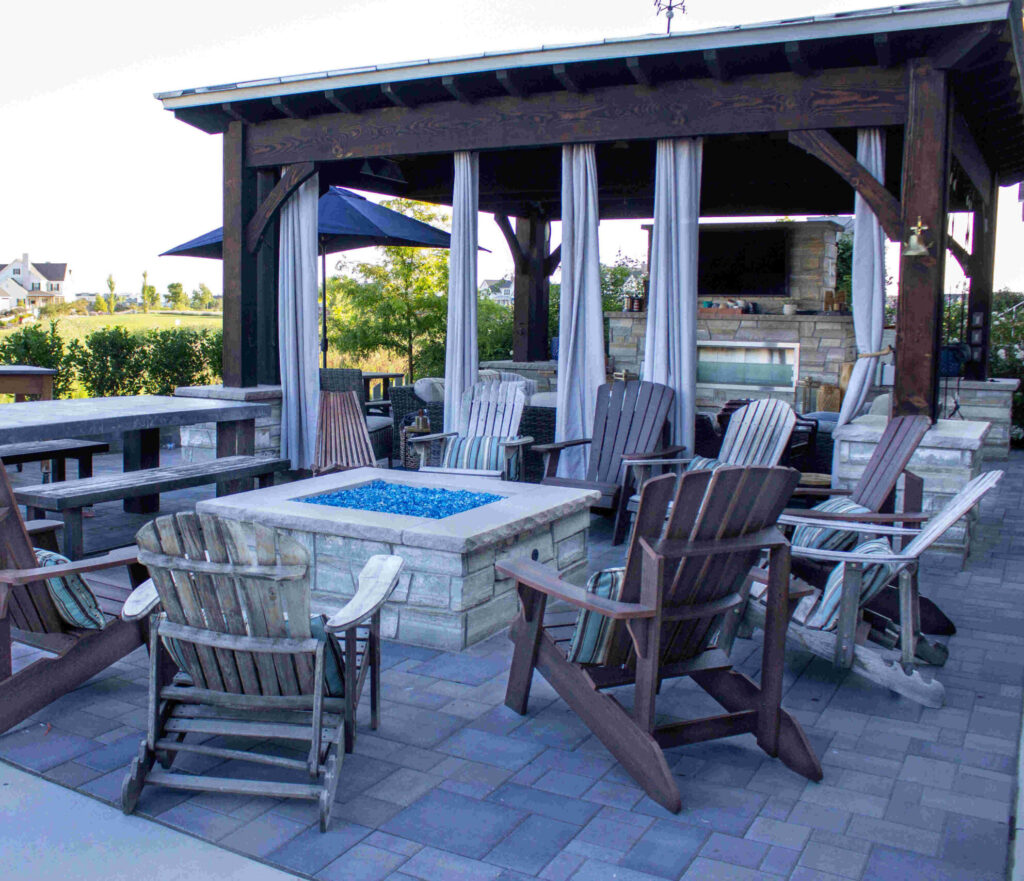
Patios are rarely placed randomly. Designers consider:
- Proximity to the home and kitchen
- Sun exposure throughout the day
- Wind patterns common in West Jordan
- Privacy from neighbors
- Views worth highlighting or hiding
A patio that gets intense afternoon sun with no shade may look good on paper but won’t be used. Likewise, a patio placed too far from the house often goes unused. Professional placement ensures patios feel natural and comfortable.
Sun, Shade, and Seasonal Awareness
Sun exposure plays a huge role in plant and patio placement.
Designers analyze:
- Morning vs. afternoon sun
- Summer heat intensity
- Winter shade patterns
- How shadows change seasonally
In West Jordan, this is critical due to strong summer sun and cold winters. Patios often benefit from partial shade, while plants must be selected and placed based on their tolerance for sun or shade.
Grading, Drainage, and Water Flow
One of the most important—and least visible—factors in landscape placement is water.
Why Drainage Dictates Placement
Designers study:
- Where water naturally flows
- Low spots that collect runoff
- Downspout discharge areas
- Snowmelt patterns
Patios are never placed in natural drainage paths. Walkways are sloped to shed water safely. Plants that tolerate moisture are placed where water naturally collects, while drought-tolerant plants go in higher, drier areas.
In West Jordan’s clay soils, ignoring drainage leads to cracked patios, dead plants, and erosion.
Using Plants to Define Space
Plants are not just decoration—they are structural elements.
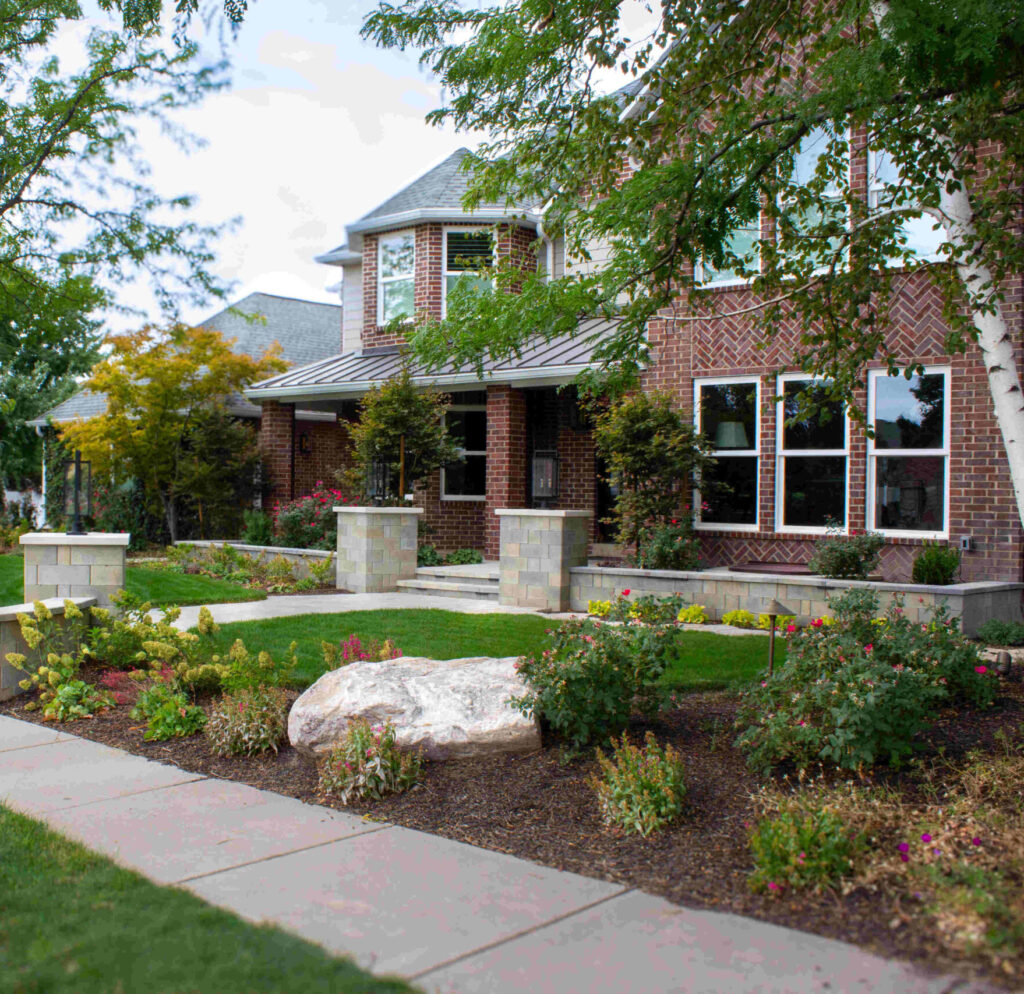
Designers use plants to:
- Frame patios and seating areas
- Soften hardscape edges
- Guide movement through the yard
- Create privacy and wind protection
- Control sightlines
Instead of scattering plants randomly, designers group them intentionally to reinforce how each area of the yard is used.
Balancing Aesthetics With Maintenance
Another key factor is maintenance preference.
Designers ask:
- How much upkeep does the homeowner want?
- Is low-maintenance a priority?
- Is water efficiency important?
In West Jordan, many homeowners prefer:
- Fewer plant varieties
- Larger planting groups
- Mulched beds
- Reduced lawn areas
These preferences influence where plants go and how densely they’re planted.
Working With Existing Features
Designers don’t start with a blank slate unless necessary.
They consider:
- Mature trees worth preserving
- Existing patios or walkways
- Utilities and easements
- Property lines and HOA rules
New patios and walkways are placed to work with what’s already there, not fight against it.
Planning for Long-Term Growth
Plants grow, and landscapes change.
Professional placement considers:
- Mature plant size
- Root spread near patios
- Tree canopy over walkways
- Seasonal changes
This prevents overcrowding, root damage, and blocked pathways in the future.
Why Professional Placement Matters in West Jordan
West Jordan landscapes face:
- Freeze-thaw cycles
- Snow storage needs
- Water restrictions
- Heavy clay soils
Thoughtful placement prevents:
- Patio shifting
- Walkway cracking
- Plant failure
- Drainage problems
Good design solves problems before they happen.
Final Thoughts
So how do designers decide where patios, walkways, and plants go?
- By starting with function
- Following natural movement patterns
- Respecting sun, water, and soil conditions
- Designing for long-term use and growth
In West Jordan, smart placement is the difference between a yard that looks good briefly and one that performs beautifully for years.
Planning a landscape project in West Jordan, Utah?
Professional placement makes all the difference.
Visit https://www.millburnlandscape.com/
to schedule a landscape design consultation and create a yard that truly works for your home.
Frequently Asked Questions (FAQ)
Can I decide patio and walkway placement myself?
You can, but professional designers use experience, site analysis, and drainage planning to avoid costly mistakes.
Do patios always need to be close to the house?
Not always, but patios connected to indoor living spaces tend to be used more often.
How do designers prevent water issues around patios?
By analyzing slopes, runoff patterns, and soil conditions before placement.
Can plants help with privacy?
Yes. Strategic plant placement is one of the best ways to create privacy naturally.
Is walkway placement important in winter?
Absolutely. Poor placement can lead to icy, unsafe paths during West Jordan winters.