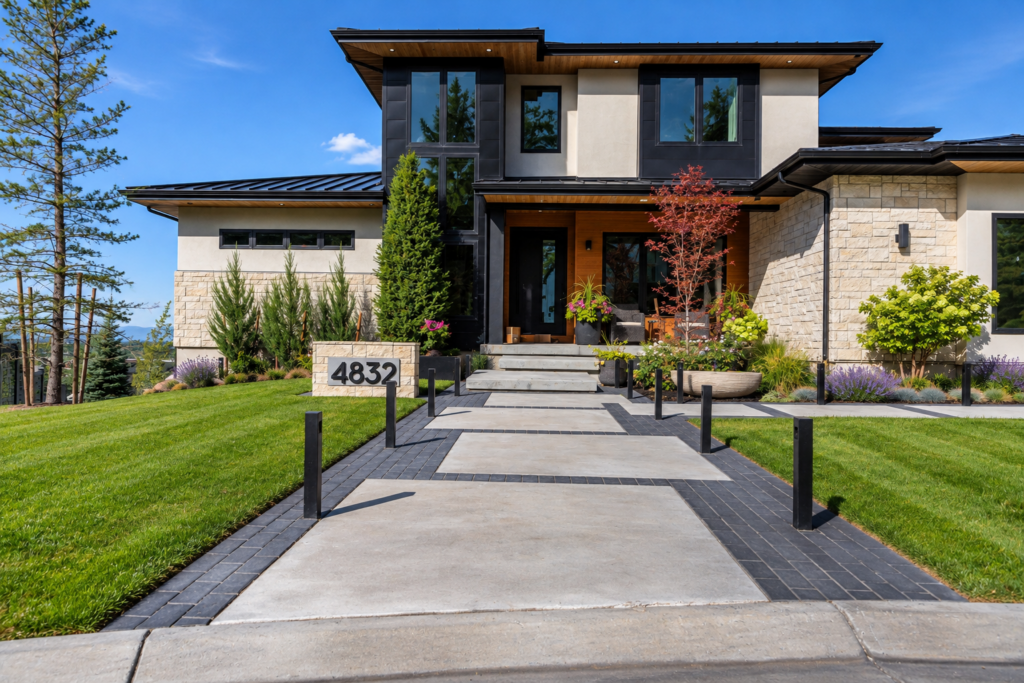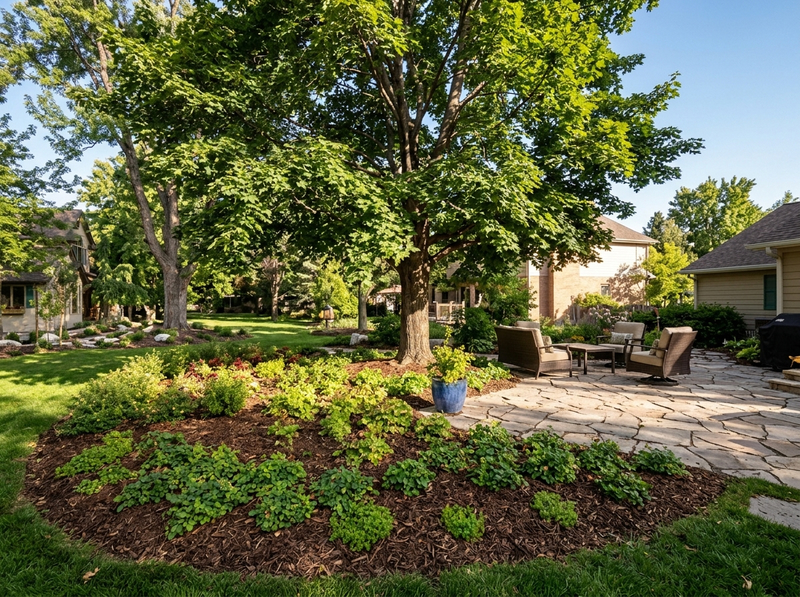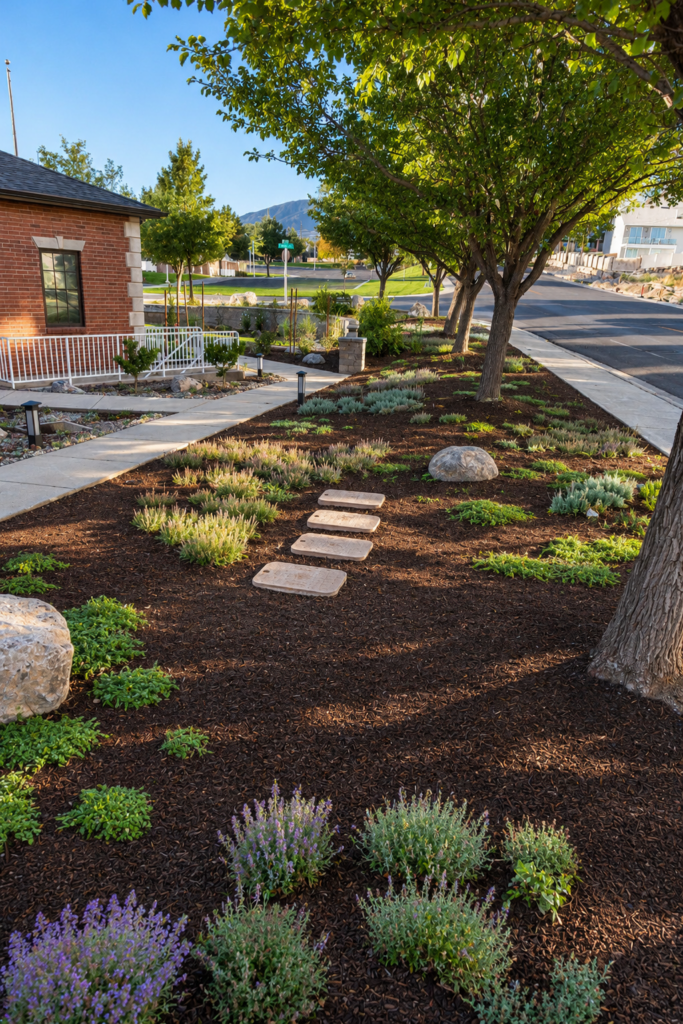

A great landscape doesn’t happen overnight — it takes a structured process, and understanding how that process actually works helps Salt Lake City homeowners know what to expect from initial idea through finished installation.
Step 1: Initial Consultation
Every project starts with a conversation. During an initial, no-pressure meeting, the design team listens to your needs, ideas, and lifestyle preferences, assessing your goals and beginning to shape a vision that reflects how you actually want to use and enjoy the outdoor space.
Step 2: On-Site Evaluation and Analysis
Next, the team visits the property for a comprehensive site analysis — examining sun patterns, soil type, drainage, elevation changes, and existing vegetation. This data-driven step identifies both opportunities and constraints that will shape the design, ensuring the finished landscape is built for long-term sustainability rather than just initial appearance.
Step 3: Custom Landscape Design Development
With insights from the site evaluation combined with your personal goals, designers develop a customized plan covering layout, plant selection, and hardscape elements like patios, walkways, and water features. Visual tools like 2D plans and 3D renderings help you picture the finished result before construction begins, along with plant lists and material suggestions tailored to your budget and preferences.
Step 4: Feedback and Finalization
The design process is genuinely collaborative — you’ll review the initial proposal and provide feedback, with revisions made until the plan matches your vision exactly. This back-and-forth ensures full clarity and satisfaction before any construction work begins, rather than discovering mismatches partway through the build.
Step 5: Transparent Proposal and Scheduling
Once the design is finalized, you’ll receive an itemized proposal breaking down materials, labor, and project costs, with work scheduled around optimal weather conditions and your own availability. Clear communication at this stage builds trust and reduces surprises once installation is underway.
Step 6: Professional Installation
This is where the design becomes physical reality. A skilled crew handles every detail — excavation, grading, planting, and lighting installation — with precision and care throughout. The property stays clean and safe during the process, with regular progress updates so you’re never left wondering how things are going.
Step 7: Post-Installation Walkthrough and Maintenance Options
After completion, the team walks you through the new landscape, answering questions and explaining care instructions specific to what’s been installed. Ongoing maintenance plans are available to protect the investment and keep the space vibrant and healthy well beyond the initial installation.
Why Following Every Step Matters
Skipping steps — jumping from a rough idea straight to installation, or treating the design phase as a formality — is how landscape projects end up needing costly rework. Each step exists because skipping it creates a specific, predictable problem: skip the site evaluation and plants struggle in unsuitable conditions; skip the feedback stage and the finished yard doesn’t match what the homeowner actually wanted.
Frequently Asked Questions
How do I start a landscape design project?
Scheduling an initial consultation is the first step — the design team will learn about your goals and begin crafting a tailored plan from there.
What should I expect during the design process overall?
A structured yet flexible process including consultation, site analysis, design development, and collaborative revisions before installation begins.
Are custom features like fire pits and water elements included in the process?
Yes — the design process typically covers a wide range of elements including patios, fire features, water fountains, and custom lighting as part of the overall plan.
What Makes This Process Different From a Rushed Design
A structured, multi-step process takes longer upfront than simply sketching a rough plan and starting installation, but it consistently catches issues — drainage conflicts, plant mismatches, budget surprises — before they become expensive problems mid-project. Homeowners who’ve been through both a rushed and a properly structured design process tend to notice the difference most clearly once installation is underway and nothing needs to be redone.
Staying Involved Without Micromanaging the Details
The collaborative feedback stage exists so homeowners can shape the big decisions — layout, key features, overall style — without needing to oversee every technical detail of execution. A good design team handles the technical judgment calls (soil amendments, irrigation zoning, structural specifics) while keeping the homeowner informed and involved in the decisions that actually affect how the finished space looks and feels.
Ready to bring your landscape vision to life? Contact Millburn Lawn & Landscape to schedule your initial consultation.