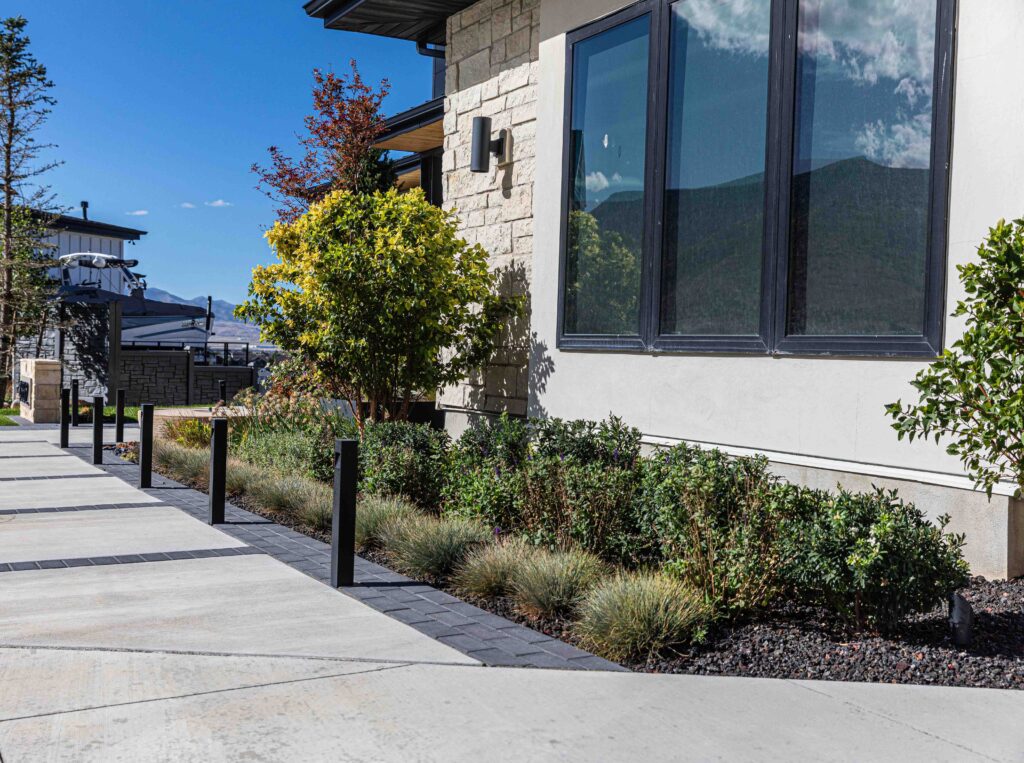
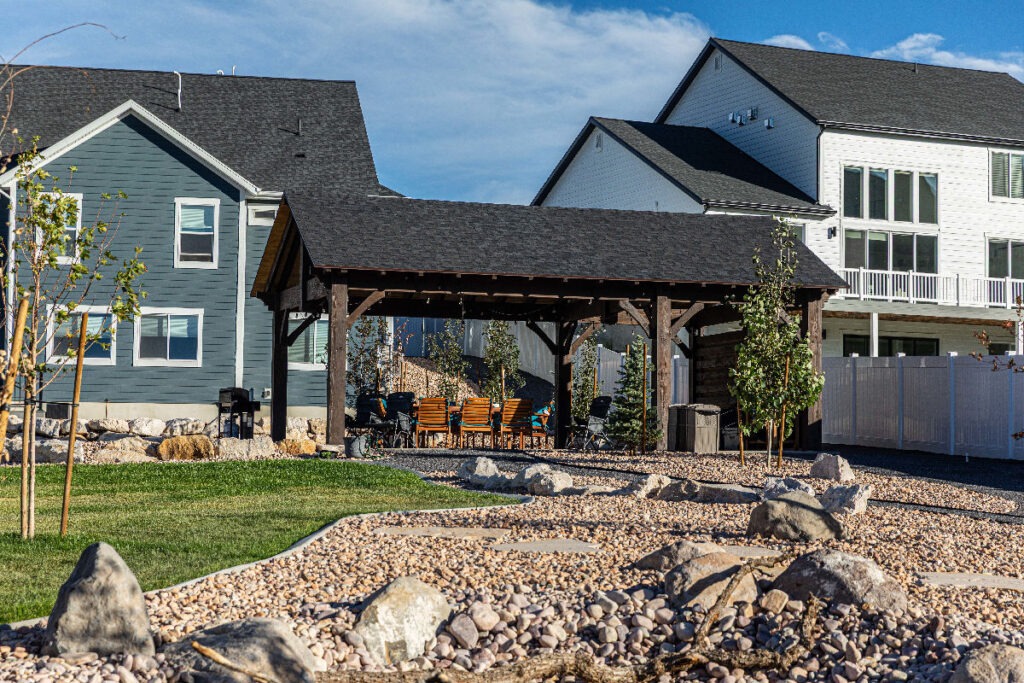
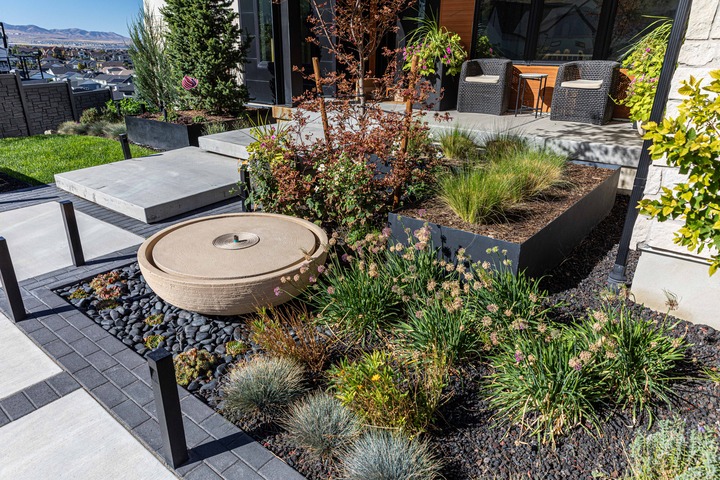
A landscape design in Salt Lake City has to work with a specific set of conditions — alkaline soil, hot dry summers, cold winters, and often clay-heavy ground — that a generic design approach doesn’t account for, which is the core reason professional, locally-informed design outperforms a DIY or non-specialized approach.
Local Expertise Changes What a Design Can Achieve
A landscape designer working regularly in Salt Lake City understands which plants genuinely thrive in the valley’s specific soil and climate conditions, rather than which plants look good in a national plant catalog without regard for whether they’ll survive a Utah winter or need excessive water through a Utah summer. That local knowledge shapes everything from initial plant selection to irrigation design in ways a generic template can’t replicate.
Personalized Design Versus a Generic Template
A professional design process starts with how a specific property will actually be used — whether that’s a low-maintenance xeriscape for a busy household or a family-friendly backyard built around active outdoor use — rather than applying the same layout regardless of the homeowner’s actual lifestyle. This collaborative process, working directly with the homeowner’s priorities rather than a one-size-fits-all plan, is what separates a design that genuinely fits the property from one that simply looks acceptable on paper.
Sustainable Practices Built Into the Plan From the Start
Water efficiency isn’t an add-on in a well-designed Salt Lake City landscape — it’s part of the initial plan. Native plantings suited to Utah’s climate, water-efficient irrigation zoning, and mulch strategies that reduce evaporation all get factored into the design from day one, rather than retrofitted later once a water-hungry design is already struggling against the local climate.
Craftsmanship That Holds Up Over Time
The visible difference between professional and amateur landscape work often shows up years later, not on installation day — a retaining wall or patio built without proper attention to Utah’s freeze-thaw cycles and clay-heavy soil can shift, crack, or settle within a few seasons. Professional installation with attention to proper base preparation and grading is what keeps hardscape features looking and functioning correctly well beyond the first year.
Where Professional Design Actually Saves Time and Money
DIY landscaping often looks appealing upfront, but mistakes in plant selection, irrigation design, or hardscape installation are expensive to correct after the fact — replacing plants that couldn’t survive Utah’s climate, or repairing a patio that wasn’t properly graded, frequently costs more than getting it right the first time would have. Professional design and installation front-loads that expertise, reducing the odds of a costly do-over.
Frequently Asked Questions
Why does Salt Lake City’s climate matter so much for landscape design?
The valley’s alkaline soil, hot dry summers, cold winters, and often clay-heavy ground all affect which plants will thrive and how hardscape needs to be engineered — a design that ignores these factors is more likely to fail or need early repairs.
Is professional landscape design worth it for a smaller residential property?
Yes — the same local climate and soil considerations apply regardless of property size, and a professionally designed smaller yard often makes more efficient use of limited space than a DIY approach.
What’s the biggest risk of DIY landscaping in Utah?
Plant selection mistakes and inadequate hardscape base preparation are the most common costly errors — both are more expensive to fix after installation than to get right from the start with professional guidance.
What to Look for When Choosing a Landscape Design Company
Not every landscaping company offers genuine design expertise — some focus primarily on installation and maintenance without the design-specific training that shapes a cohesive, climate-appropriate plan. Ask prospective companies about their design process specifically: do they start with a site assessment of your property’s soil, sun exposure, and drainage, or do they default to a standard template regardless of your property’s actual conditions? The answer reveals a lot about whether you’re hiring genuine design expertise or installation services labeled as design.
The Design Consultation Process
A thorough design consultation should cover how you actually plan to use the space, any specific challenges your property presents (slope, drainage, mature trees to work around), and your priorities around water use and long-term maintenance. This upfront conversation is what allows a designer to create a plan genuinely suited to your property and lifestyle, rather than a generic layout that happens to be installed on your lot.
Millburn Lawn & Landscape designs outdoor spaces built for Salt Lake City’s actual climate and conditions. Call us to start your design consultation.