With ongoing water concerns across Utah, many Daybreak homeowners are asking an important question:
Do you offer drought-tolerant or water-wise landscape designs?
The short answer is yes—but true water-wise landscaping is about far more than swapping out grass for rocks. A professionally designed drought-tolerant landscape balances plant selection, irrigation efficiency, layout, and long-term performance so your yard stays attractive while using significantly less water.
In a master-planned community like Daybreak, where sustainability and smart growth matter, water-wise landscape design has become one of the most requested services. This guide explains what drought-tolerant landscaping really means, how it works in Daybreak’s climate, and why thoughtful design makes all the difference.
What Is Drought-Tolerant or Water-Wise Landscape Design?
Drought-tolerant or water-wise landscape design focuses on reducing water use without creating a barren or unattractive yard.
A well-designed water-wise landscape:
- Uses plants adapted to Utah’s climate
- Reduces unnecessary lawn areas
- Improves soil efficiency
- Uses targeted, efficient irrigation
- Minimizes water waste from runoff and evaporation
In Daybreak, water-wise design aligns naturally with community values and HOA standards while still offering beautiful outdoor spaces.
Why Water-Wise Landscaping Makes Sense in Daybreak, Utah
Daybreak homeowners face several realities:
- Limited water resources
- Seasonal watering restrictions
- Hot, dry summers
- HOA expectations for curb appeal
Drought-tolerant landscape design addresses all of these concerns at once. Instead of fighting the environment, water-wise landscapes are designed to work with Utah’s natural conditions, resulting in healthier plants and lower long-term costs.
Reducing Lawn Areas Without Losing Function
Traditional lawns are one of the biggest water users in residential landscapes.
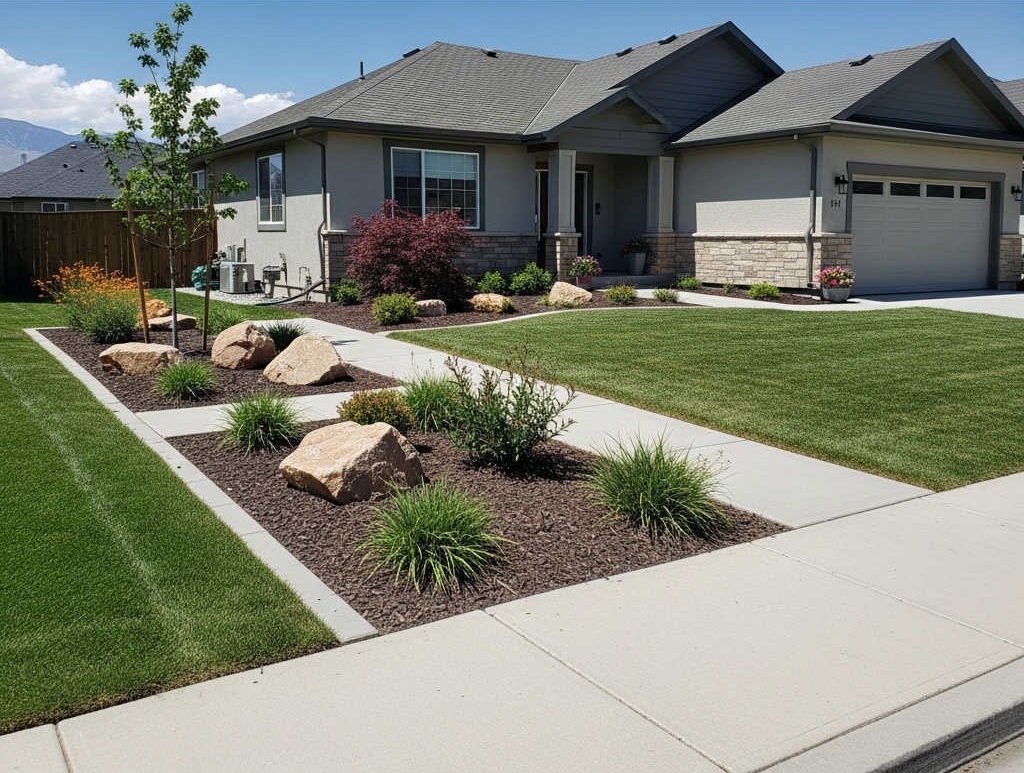
Water-wise design doesn’t necessarily eliminate lawns, but it does right-size them.
In Daybreak, designers often:
- Keep lawn where it’s actually used
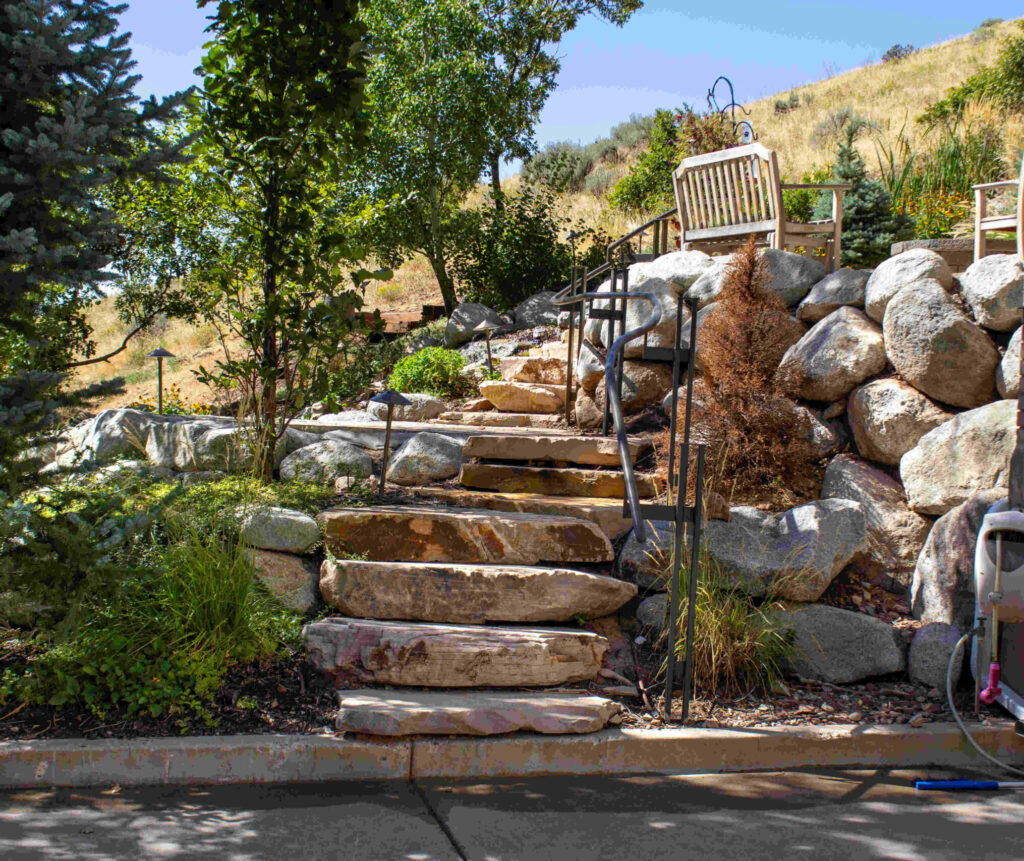
- Replace unused grass with planting beds or hardscape
- Design lawns for durability, not decoration
This approach preserves usable green space while dramatically reducing irrigation demand.
Choosing the Right Drought-Tolerant Plants
Plant selection is the foundation of drought-tolerant design.
How Designers Select Water-Wise Plants
Professional designers choose plants that:
- Thrive in Utah’s heat and cold
- Require less supplemental water once established
- Have predictable growth habits
- Provide seasonal interest
Native and climate-adapted plants typically need less water, fewer replacements, and less ongoing care—making them ideal for Daybreak landscapes.
Grouping Plants by Water Needs
One of the most important water-saving strategies is hydrozoning.
This means grouping plants with similar water needs together so irrigation can be targeted precisely.
Benefits include:
- Less overwatering
- Healthier plants
- More efficient irrigation zones
- Reduced water waste
In Daybreak, this is especially effective in front yards and park strips where watering efficiency is closely monitored.
Smart Irrigation Is Essential
A drought-tolerant landscape still needs water—but only when and where it’s needed.
Water-wise designs typically include:
- Drip irrigation for planting beds
- Zoned sprinkler systems
- Smart irrigation controllers that adjust to weather
These systems automatically reduce watering during cooler or wetter periods, helping Daybreak homeowners stay compliant with water guidelines.
Improving Soil for Better Water Retention
Water-wise landscaping isn’t just about plants—it’s also about soil.
Professional designs often include:
- Soil amendments to improve absorption
- Mulch to reduce evaporation
- Proper grading to prevent runoff
Healthy soil holds moisture longer, meaning plants need less frequent watering.
Using Hardscape to Reduce Water Use
Hardscape elements play a major role in drought-tolerant landscapes.
Common water-wise hardscape features include:
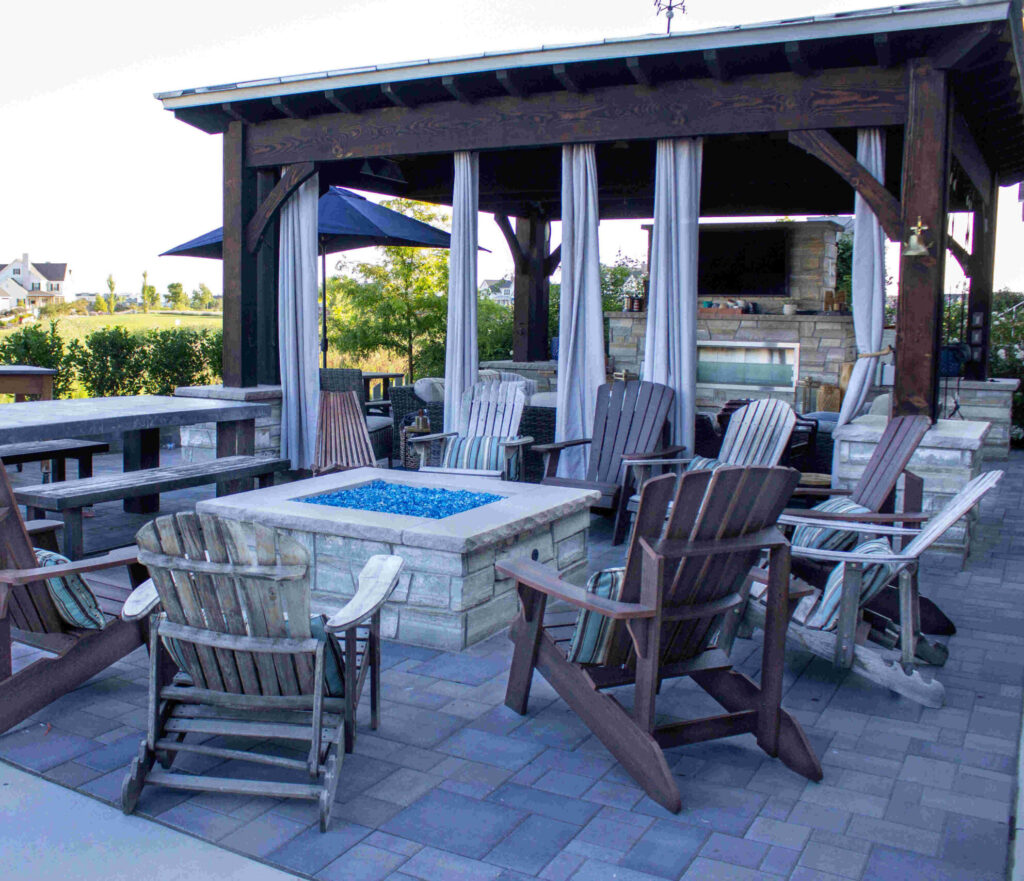
- Patios and walkways
- Decorative rock or gravel areas
- Seating zones that reduce planted space
When installed correctly, hardscapes reduce irrigation needs while increasing usability and visual structure.
HOA-Friendly Water-Wise Design in Daybreak
Daybreak HOAs typically support water-wise landscaping when it’s done thoughtfully.
Professional designers ensure:
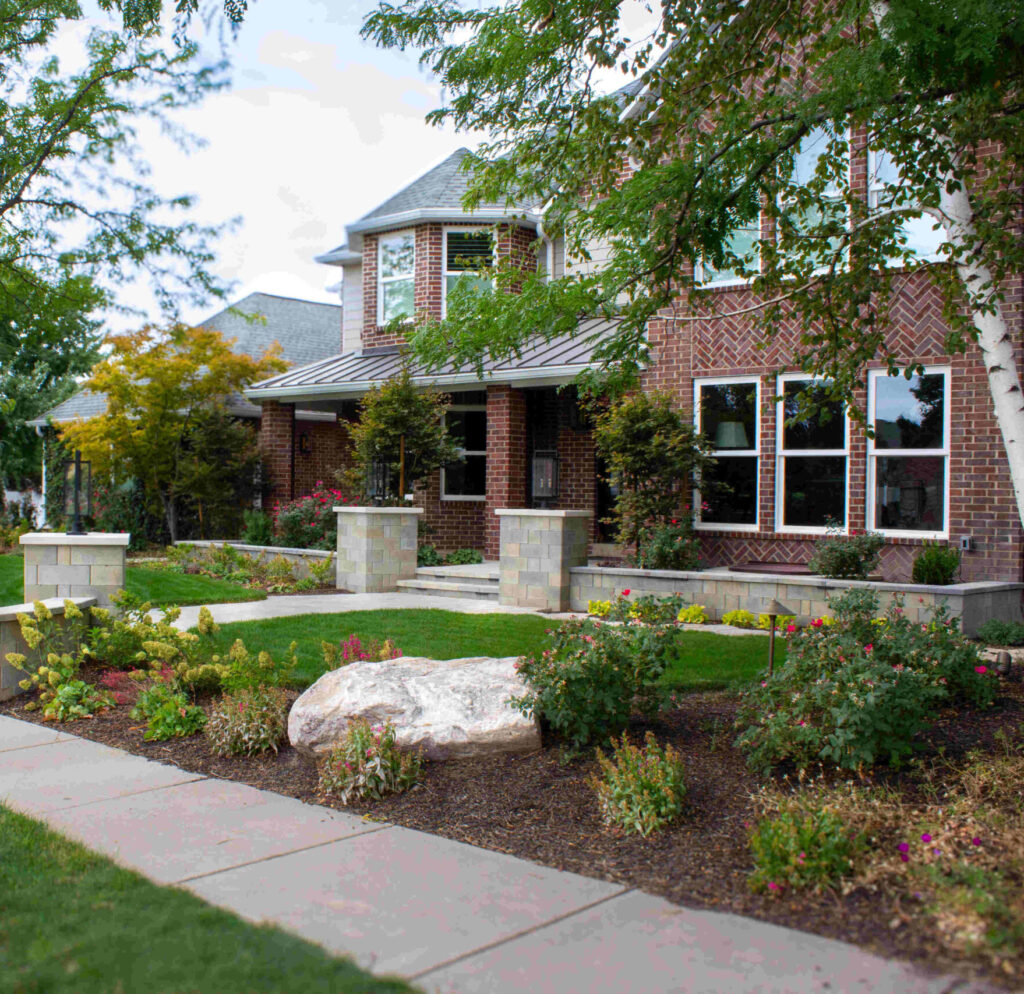
- Clean, intentional layouts
- Approved plant palettes
- Consistent, well-maintained appearance
Water-wise does not mean messy or unfinished—it means purposeful and sustainable
Long-Term Benefits of Drought-Tolerant Landscaping
Daybreak homeowners who choose water-wise designs often experience:
- Lower water bills
- Fewer plant replacements
- Reduced maintenance
- Healthier landscapes
- Increased property appeal
Over time, these benefits far outweigh any initial design or installation costs.
Common Myths About Drought-Tolerant Landscaping
Myth: Drought-tolerant landscapes look dry or barren
Truth: Proper design creates lush, attractive spaces with less water
Myth: Water-wise landscaping is just rock and gravel
Truth: Plants play a major role when chosen correctly
Myth: Drought-tolerant means no irrigation
Truth: Efficient irrigation is still essential
Final Thoughts
Yes—drought-tolerant and water-wise landscape designs are absolutely possible, especially in a community like Daybreak.
By combining:
- Smart planning
- Climate-appropriate plants
- Efficient irrigation
- Intentional layout
You can enjoy a beautiful yard that uses less water and requires less effort year after year.

Looking for a water-wise landscape design in Daybreak, Utah?
Professional planning ensures efficiency without sacrificing beauty.
Visit: https://www.millburnlandscape.com/
to schedule a consultation and start designing a drought-tolerant landscape that fits your lifestyle.
Frequently Asked Questions (FAQ)
Is drought-tolerant landscaping more expensive upfront?
Sometimes slightly, but it typically saves money long-term through reduced water use and maintenance.
Will my yard still look green?
Yes. Water-wise landscapes can include lawn areas and lush planting beds when designed properly.
Do drought-tolerant plants survive Utah winters?
Yes. Climate-appropriate plants are selected to handle Utah’s temperature swings.
Can I convert my existing yard to water-wise landscaping?
Absolutely. Many homeowners transition in phases to manage budget and timing.
Does water-wise landscaping increase home value?
Yes. Buyers increasingly value efficient, low-maintenance landscapes.