Many Daybreak homeowners love the idea of a beautiful yard but don’t love the time, water, and constant upkeep that often comes with it. Between busy schedules, family life, and Utah’s climate, traditional landscapes can quickly feel overwhelming.
So the question comes up often:
Can you actually design a low-maintenance landscape?
The answer is yes—when it’s done intentionally.
A low-maintenance landscape isn’t about sacrificing beauty. It’s about designing smarter from the beginning, choosing the right materials, and working with Daybreak’s environment instead of against it. This guide explains how professional landscape design creates outdoor spaces that look great with minimal ongoing effort.
What “Low-Maintenance Landscaping” Really Means
Low-maintenance does not mean no maintenance. Every landscape needs some care. However, a well-designed low-maintenance landscape significantly reduces:
- Weekly mowing
- Constant trimming
- Excessive watering
- Seasonal plant replacement
- Ongoing repairs
In Daybreak, low-maintenance landscapes focus on durability, water efficiency, and long-term performance rather than high-input features.
Why Daybreak Is Ideal for Low-Maintenance Landscape Design
Daybreak is uniquely suited for low-maintenance landscaping because of:
- Planned community layouts
- Modern architectural styles
- HOA-friendly design standards
- Emphasis on water-wise practices
- Consistent lot sizes and grading
Professional designers in Daybreak often prioritize clean lines, intentional plant groupings, and efficient irrigation, all of which reduce long-term upkeep.
Step One: Reducing Lawn Areas Strategically
Traditional lawns are one of the most maintenance-heavy elements in any landscape.
Low-maintenance design often includes:
- Smaller, purposeful lawn areas
- Lawn only where it’s actually used
- Replacing unused grass with planting beds or hardscape
In Daybreak, homeowners are increasingly choosing functional lawns instead of full-yard turf, which reduces mowing, watering, and fertilizing.
Choosing Plants That Thrive With Less Care
Plant selection is one of the biggest factors in long-term maintenance.
How Designers Choose Low-Maintenance Plants
Designers look for plants that:
- Are adapted to Utah’s climate
- Tolerate heat and cold
- Require minimal pruning
- Have predictable growth habits
Native and region-appropriate plants are often more resilient and require less intervention once established.
Grouping Plants for Efficiency
Low-maintenance landscapes use intentional plant groupings, not scattered planting.
Grouping plants with similar:
- Water needs
- Sun exposure
- Growth rates
This approach simplifies irrigation, reduces plant stress, and makes seasonal care easier.
Smart Irrigation Makes a Huge Difference
A low-maintenance landscape must include efficient irrigation.
Professional designs typically include:
- Zoned irrigation systems
- Drip irrigation for planting beds
- Smart controllers that adjust to weather
In Daybreak, smart irrigation helps reduce water waste while keeping plants healthy with minimal oversight.
Hardscaping That Reduces Work, Not Creates It
Hardscape elements play a major role in lowering maintenance.
Low-maintenance hardscape features include:
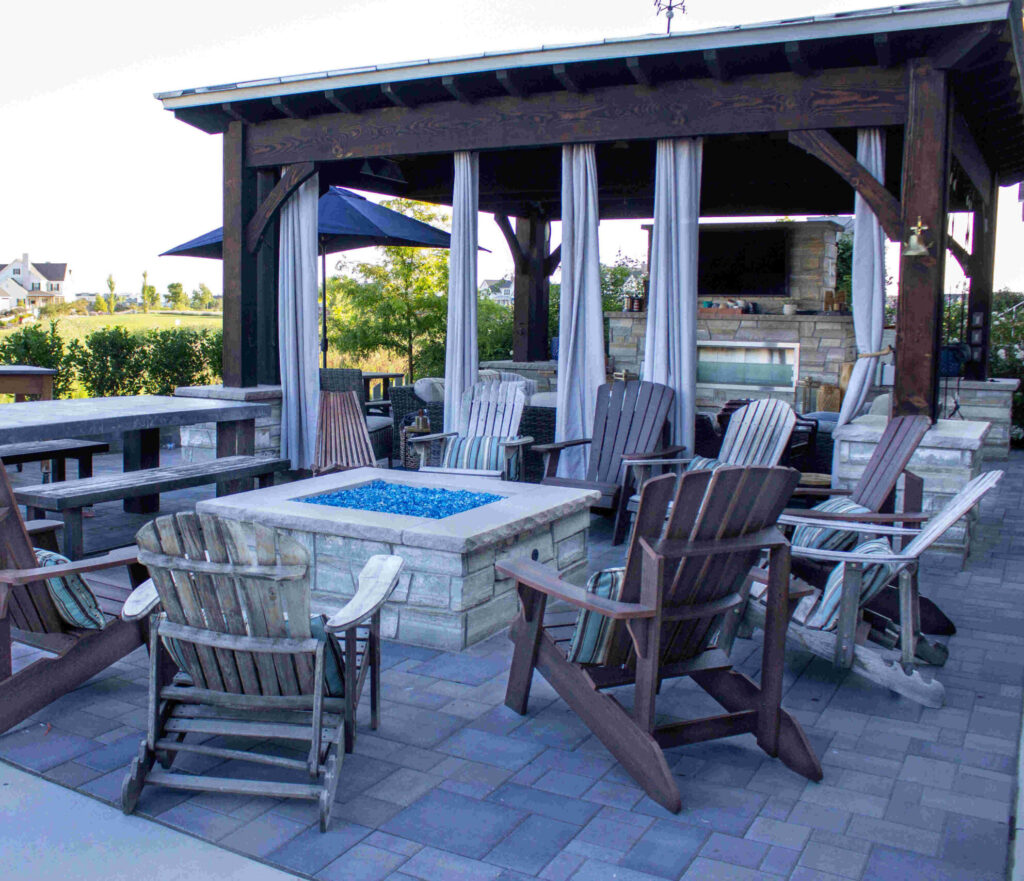
- Concrete or paver patios
- Defined walkways
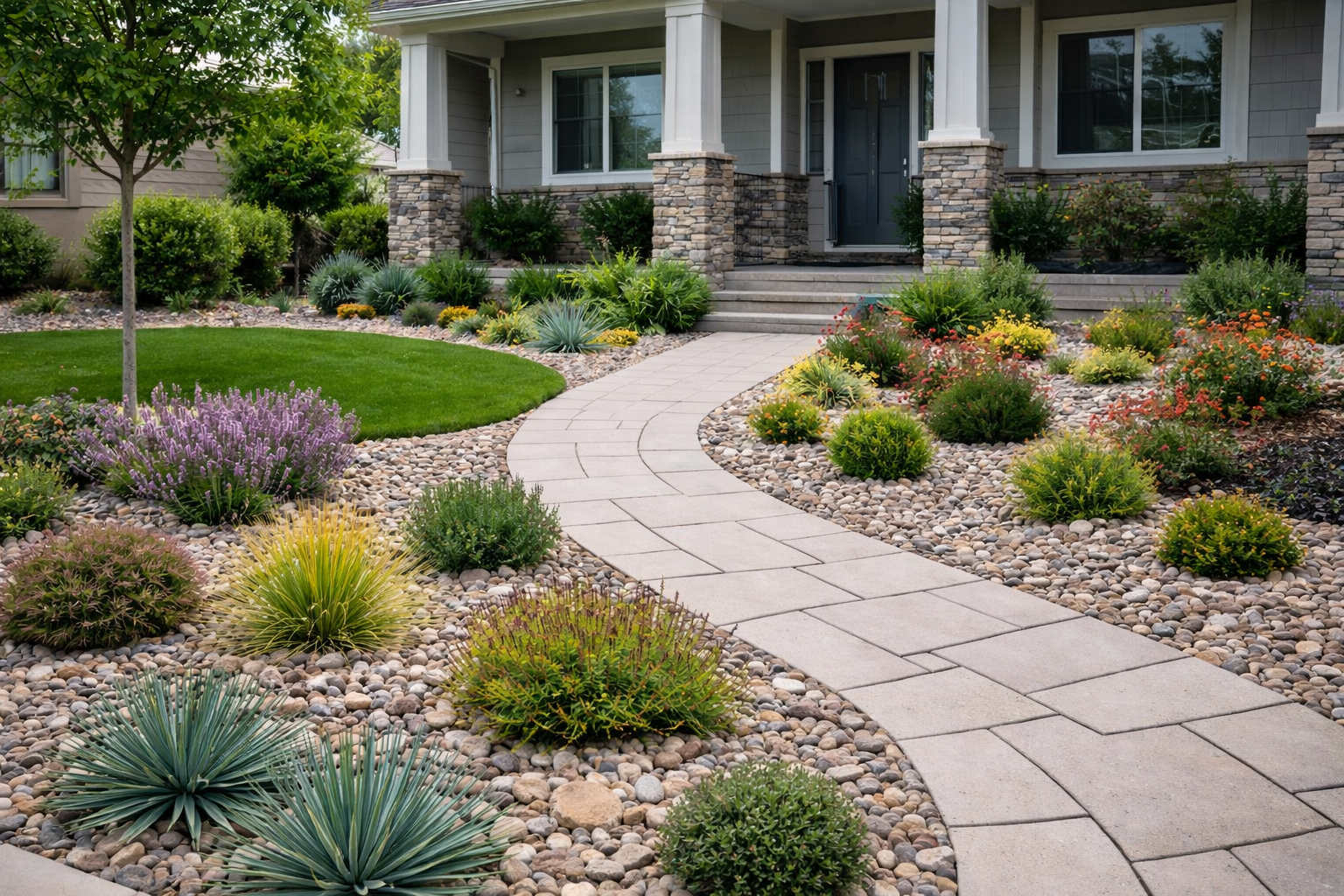
- Decorative rock or mulch beds
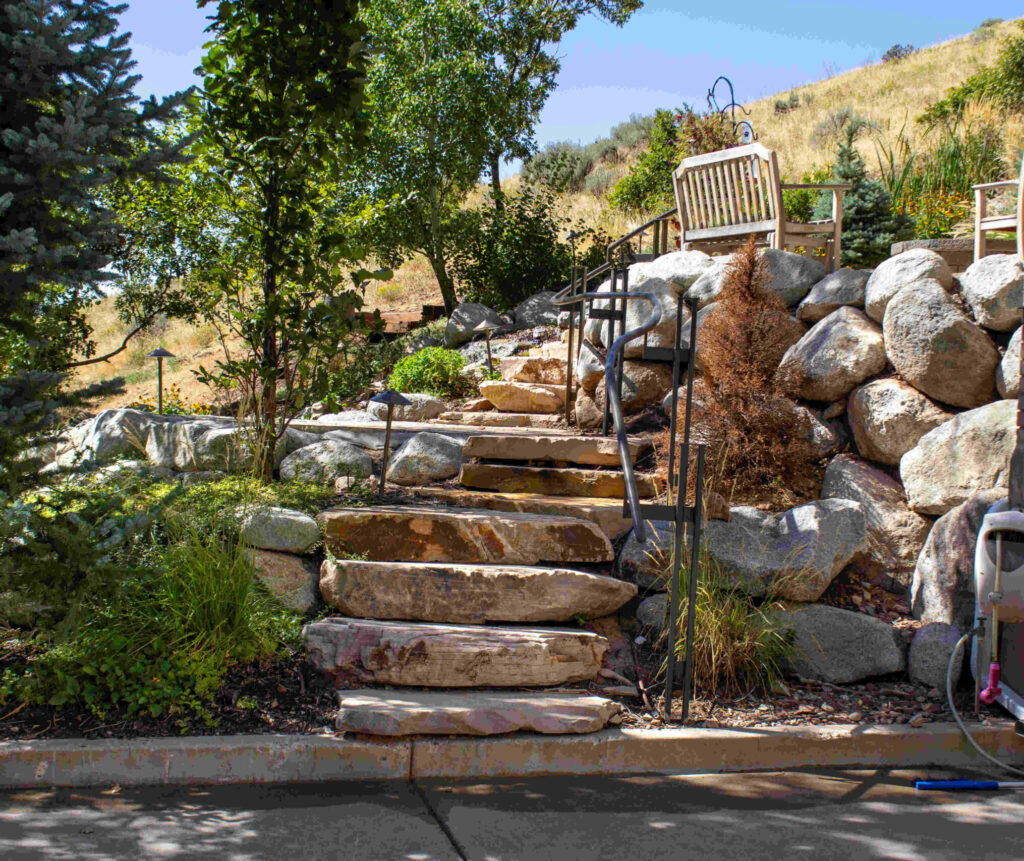
Properly installed hardscapes reduce weeding, erosion, and muddy areas while adding structure and usability.
Mulch, Rock, and Ground Covers
Bare soil leads to weeds and erosion.
Low-maintenance designs use:
- Mulch to retain moisture
- Decorative rock for durability
- Ground covers that spread naturally
These elements reduce weeding and watering while keeping planting beds clean and finished.
Designing With Long-Term Growth in Mind
Many high-maintenance landscapes fail because plants were placed without considering maturity.
Professional low-maintenance design accounts for:
- Mature plant size
- Root spread
- Canopy growth
- Spacing for airflow
This prevents overcrowding, constant pruning, and plant replacement.
HOA-Friendly Low-Maintenance Design in Daybreak
Daybreak HOAs often have design guidelines, but low-maintenance landscapes fit well within them.
Designers ensure:
- Approved plant palettes
- Clean, consistent aesthetics
- Water-efficient layouts
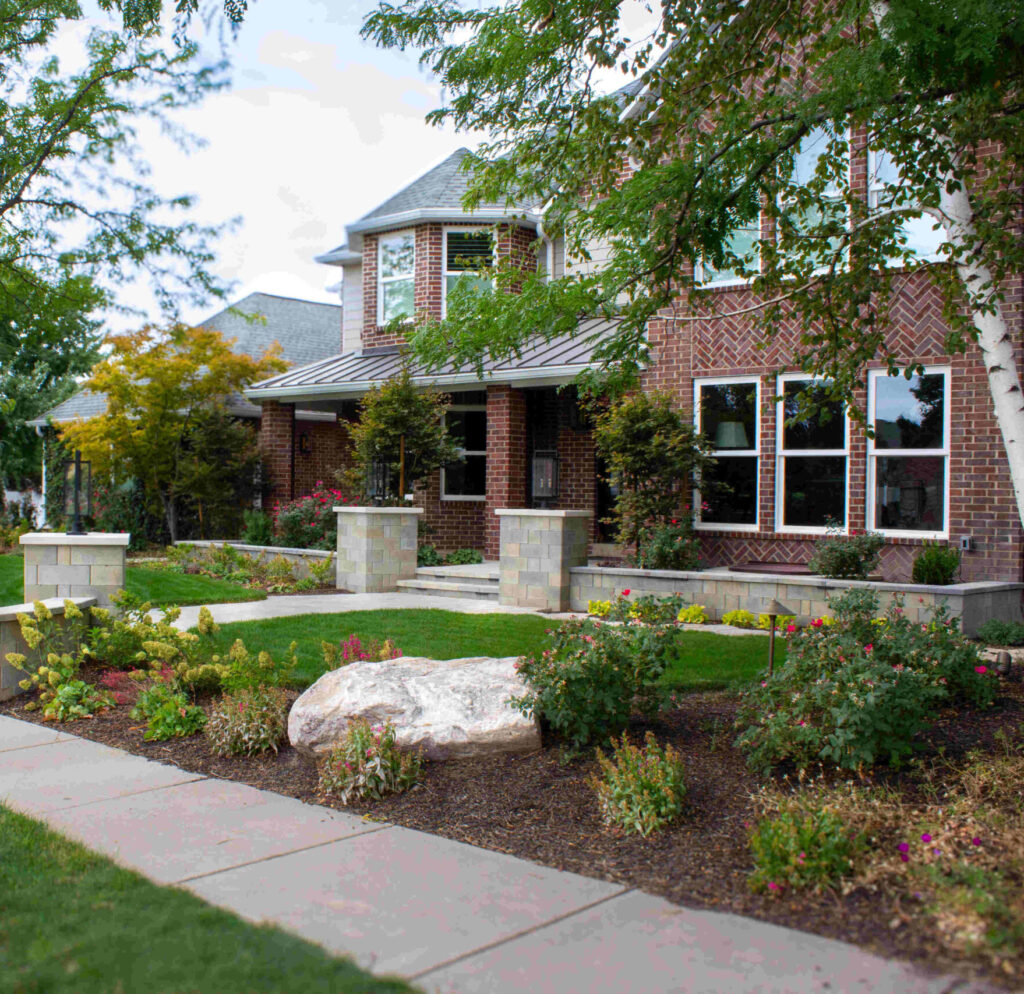
A professionally designed low-maintenance landscape enhances curb appeal while staying compliant.
Common Myths About Low-Maintenance Landscapes
Myth: Low-maintenance means boring
Truth: Thoughtful design creates clean, modern, high-end landscapes
Myth: Rock landscapes require no care
Truth: They still need proper design and weed prevention
Myth: Low-maintenance landscapes don’t increase value
Truth: Buyers often prefer easy-to-maintain yards
Final Thoughts
Yes—you can absolutely design a low-maintenance landscape, especially in a community like Daybreak.
With:
- Smart planning
- Right-sized lawns
- Climate-appropriate plants
- Efficient irrigation
- Durable materials
Your landscape can look great year-round without demanding constant attention.
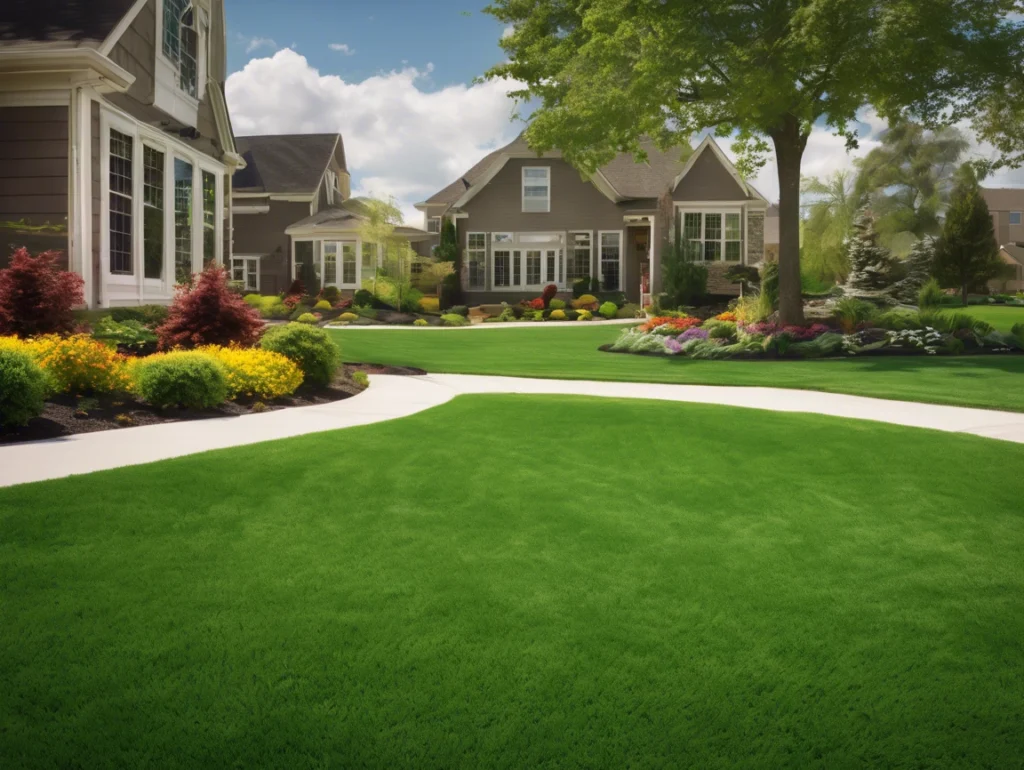
Want a low-maintenance landscape designed for Daybreak living?
Professional planning makes all the difference.
Visit: https://www.millburnlandscape.com/
to schedule a landscape design consultation and start simplifying your outdoor space.
Frequently Asked Questions (FAQ)
Is a low-maintenance landscape more expensive upfront?
Sometimes slightly, but it often saves money long-term through reduced water use and maintenance.
Can low-maintenance landscapes still include lawn?
Yes. The goal is right-sizing lawn areas, not eliminating them entirely.
Are low-maintenance landscapes good for resale?
Absolutely. Many buyers prefer landscapes that look good without a lot of work.
How much maintenance should I expect per month?
Most low-maintenance landscapes require minimal seasonal attention rather than weekly work.
Do low-maintenance landscapes still need irrigation?
Yes, but efficient irrigation systems greatly reduce oversight and water use.