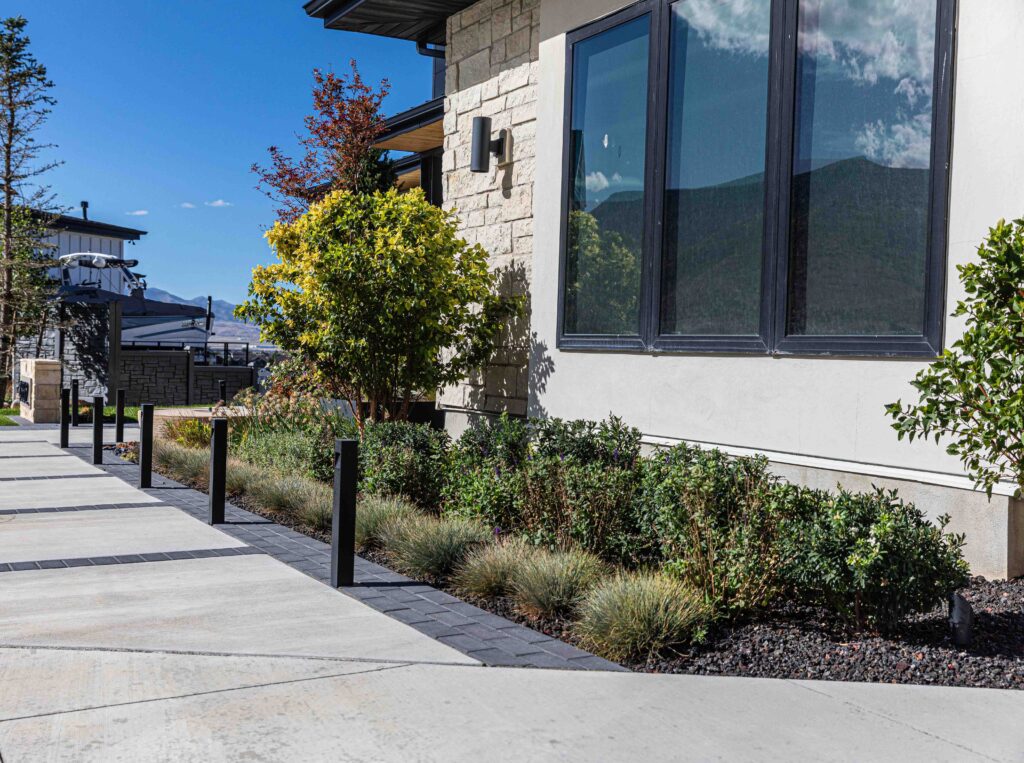
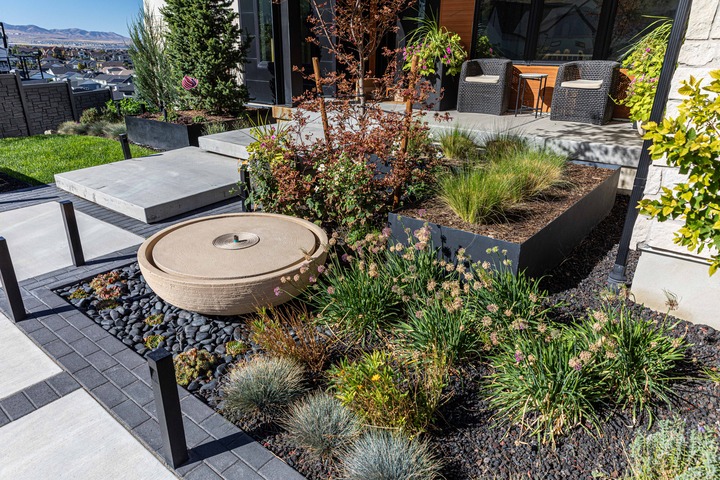
Stepping stones across a lawn offer a genuinely quick, affordable way to add a walkway to a Salt Lake City property — beyond the visual appeal, they protect grass from wear in wet and freezing conditions, solving a real practical problem alongside the aesthetic one.
Step 1: Define Your Path
After choosing a material, plan the actual path by arranging stones on the grass in the desired layout, keeping them close enough together that stepping between them feels effortless. A straight layout suits contemporary gardens with clean lines, while a winding path fits a relaxed, cottage-garden feel better. Using a sharpened half-moon lawn edging tool to trim around each stone marks the path precisely before any digging begins.
Step 2: Lift the Turf
Carefully relocate each stone, then use a garden spade to remove the turf sections you just marked out. Removing soil to a depth somewhat deeper than the stones themselves ensures the finished stones sit flat once installed, rather than sitting proud of the surrounding grass or wobbling underfoot.
Step 3: Create a Foundation
With the grass cleared, line each hole with a layer of sand and press it down to create a flat, sturdy base. This foundation step is what actually keeps stones stable long-term rather than shifting or sinking unevenly over time.
Step 4: Soften the Edges
Backfill the holes with dirt and set the stones in place, then dust extra sand and a little soil around their edges to help them settle in and look genuinely natural rather than freshly installed. Planting grass seed along the border completes the look — over time the stones become permanently anchored and grass fills in naturally around them.
Beyond Lawns: Other Uses for Stepping Stones
Stepping stones aren’t limited to lawns — weaving them through a flower bed reduces the amount of weeding required around plantings, or covering them with ground cover plants creates a more delicate, natural look that also supports local wildlife habitat.
Why Proper Ground Preparation Matters
Placing stepping stones directly on top of turf without preparing the ground first — similar to skipping base prep for a patio — creates a genuine tripping hazard, since unsecured stones can shift or rock underfoot. The foundation and settling process described above is what separates a safe, long-lasting stepping stone path from one that becomes a liability.
Frequently Asked Questions
How far apart should stepping stones be placed?
Close enough that stepping from one to the next feels effortless and natural, generally matching a comfortable walking stride.
Can stepping stones be installed without removing any turf?
Not recommended — stones placed directly on unprepared turf create a tripping hazard since they can shift or rock rather than sitting securely in place.
How long does it take for stones to feel permanently settled?
With proper foundation prep, stones typically feel stable soon after installation, though full settling and grass fill-in around the edges develops over the following weeks and months.
Choosing Stone Material for Different Design Styles
Natural, rounded stone suits a relaxed cottage garden aesthetic, while cleaner-edged porcelain or cut stone pavers fit a more modern, geometric landscape design — matching material choice to overall yard style keeps a stepping stone path feeling like a natural extension of the property rather than an afterthought.
Sizing Stones Appropriately for Comfortable Walking
Stone size matters as much as spacing — stones too small feel unstable underfoot even when properly set, while oversized stones can look disproportionate on a narrower path. Matching stone size to the path’s overall scale produces a more comfortable, visually balanced result.
Need help designing and installing a stepping stone path on your Salt Lake City property? Contact us for expert guidance.