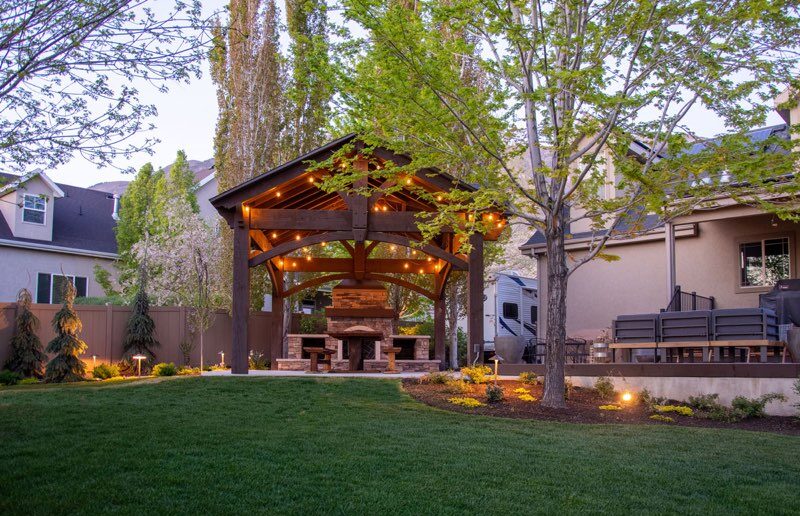
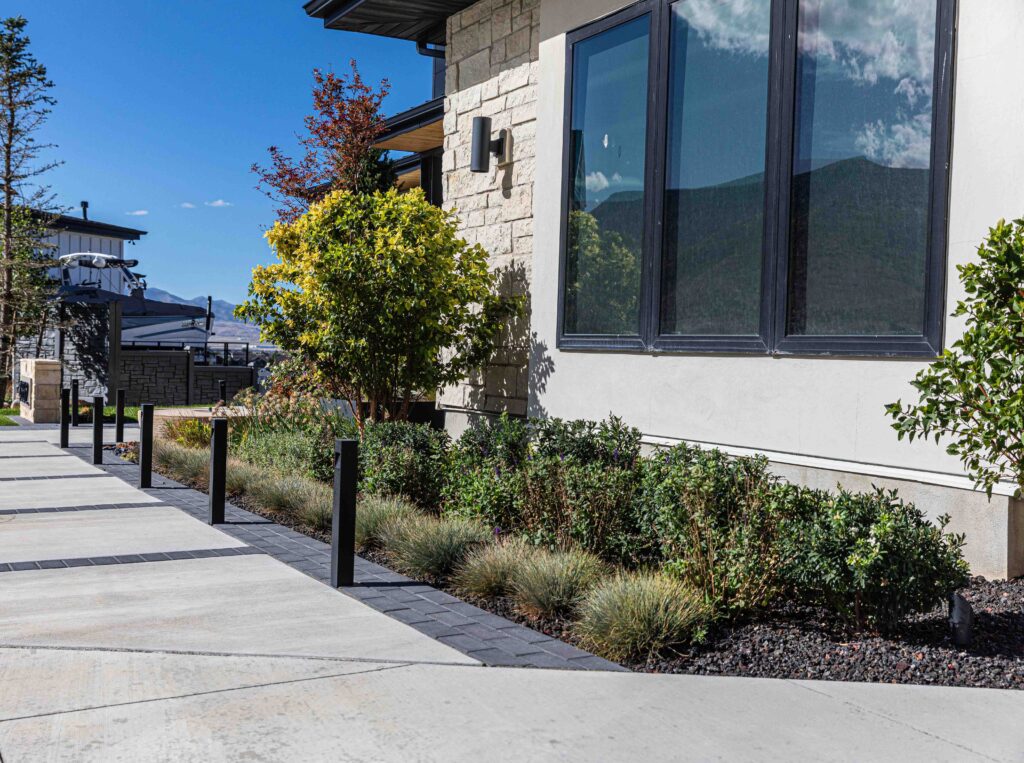
With water remaining a genuinely limited resource in Salt Lake City after years of ongoing drought conditions, thoughtful landscaping choices can meaningfully reduce water use without sacrificing an attractive, functional yard.
Investing in Drought-Tolerant Landscaping
Planning ahead for drought-tolerant landscaping is worth doing regardless of whether a property is newly designed or already established. For existing landscapes, replacing water-hungry plants and shrubs with species that store water or genuinely thrive in dry conditions makes a real difference. Some homeowners choose to replace a traditional lawn with xeriscaping entirely, while others simply switch to a low-water grass variety as a more moderate step.
Designing New Landscapes With Water Efficiency in Mind
When designing a new outdoor space, choosing plants and trees carefully — and giving them adequate spacing — reduces competition for water among neighboring plantings. Selecting the right soil-enhancing amendments helps prevent water pollution and runoff, and mulch serves a dual purpose: keeping soil moist while also reducing overall plant water demand.
Introducing Hardscaping to Reduce Watered Turf Area
Incorporating hardscaping features like flagstone or concrete directly reduces the total amount of turf requiring regular watering. Keeping walkways clear of leaves and debris through regular irrigation maintenance prevents blocked drainage and the mossy, potentially hazardous surfaces that result. Periodic tune-ups to drainage systems extend the life of irrigation infrastructure while ensuring it continues performing as intended.
Improving Irrigation Systems Directly
Beyond avoiding fines for water use violations, a drip irrigation system that supplies water at a controlled, set rate is genuinely worth the investment. Modern irrigation can be customized to save water while still delivering the performance a landscape actually needs. For concerns about soil erosion or nutrient runoff, soaker hoses or micro-spray irrigation offer effective alternatives to traditional sprinklers. Heavy-droplet sprinkler nozzles concentrate water directly on plant roots, making them a genuinely water-efficient choice worth investigating.
Recycling Drainage Water
Rather than simply disposing of drained water, recycling it to irrigate garden areas puts water that would otherwise go to waste to genuine productive use — a straightforward way to reduce overall consumption without changing plantings or irrigation equipment.
Working With Local Water-Conservation Experts
Professional landscaping companies with genuine water-conservation expertise can develop a management strategy tailored to a specific property’s needs, covering everything from irrigation to drainage to ongoing grass and tree maintenance — a comprehensive approach that’s difficult to replicate through piecemeal individual changes.
Frequently Asked Questions
Is switching to xeriscaping the only way to genuinely reduce landscape water use?
No — smaller steps like low-water grass varieties, drip irrigation, and mulch can meaningfully reduce water use without requiring a full landscape overhaul.
How does drip irrigation actually save water compared to traditional sprinklers?
Drip systems deliver water at a controlled rate directly to root zones, avoiding the overspray and runoff common with broadcast sprinkler systems.
What’s involved in recycling drainage water for irrigation?
Rather than letting drained water go to waste, it’s redirected to irrigate garden areas — a practical way to reduce overall water consumption using water that was already being used once.
Tracking Water Savings Over Time
Monitoring water bills or usage data before and after implementing these changes provides genuine feedback on which specific measures are delivering the most meaningful savings, helping prioritize where to focus further water-conservation efforts on a property going forward.
Small Changes That Add Up Over a Season
Not every water-saving step requires a major landscape overhaul — adjusting sprinkler timing to early morning, fixing a single leaking valve, or swapping one thirsty planting bed for drought-tolerant species can each contribute meaningfully to overall savings without a full redesign.
Contact Millburn Landscaping & Design to discuss water-conserving landscaping options for your Salt Lake City property.