For hotels, retail centers, medical offices, and other guest-facing commercial properties, landscape design is one of the few site elements a visitor experiences before they ever walk through the door — which makes it one of the highest-leverage investments for shaping their first impression.
Why Landscape Design Affects Perceived Quality
Visitors form an impression of a property within seconds of arrival, well before they interact with staff or see the interior. A well-maintained, thoughtfully designed entrance signals attention to detail and reliability; overgrown beds, patchy turf, or dated hardscape signal the opposite — even if the business inside is excellent. This effect compounds for repeat-visit properties like medical offices or apartment communities, where the landscape is part of the experience every single visit, not just the first.
Design Elements That Shape Guest Experience
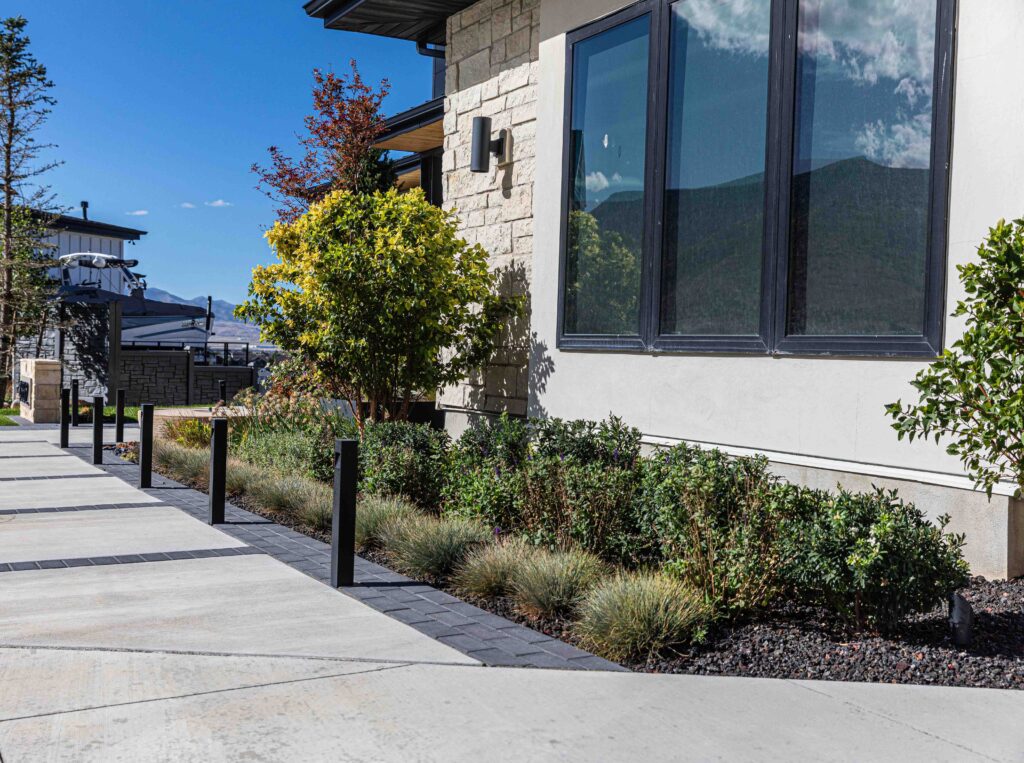
- Clear, welcoming entry sightlines — plantings and hardscape that guide the eye (and foot traffic) naturally toward the entrance rather than competing with it
- Seasonal color and consistency — guests notice when landscaping looks the same, tired way in every season; rotating seasonal color signals active, ongoing care
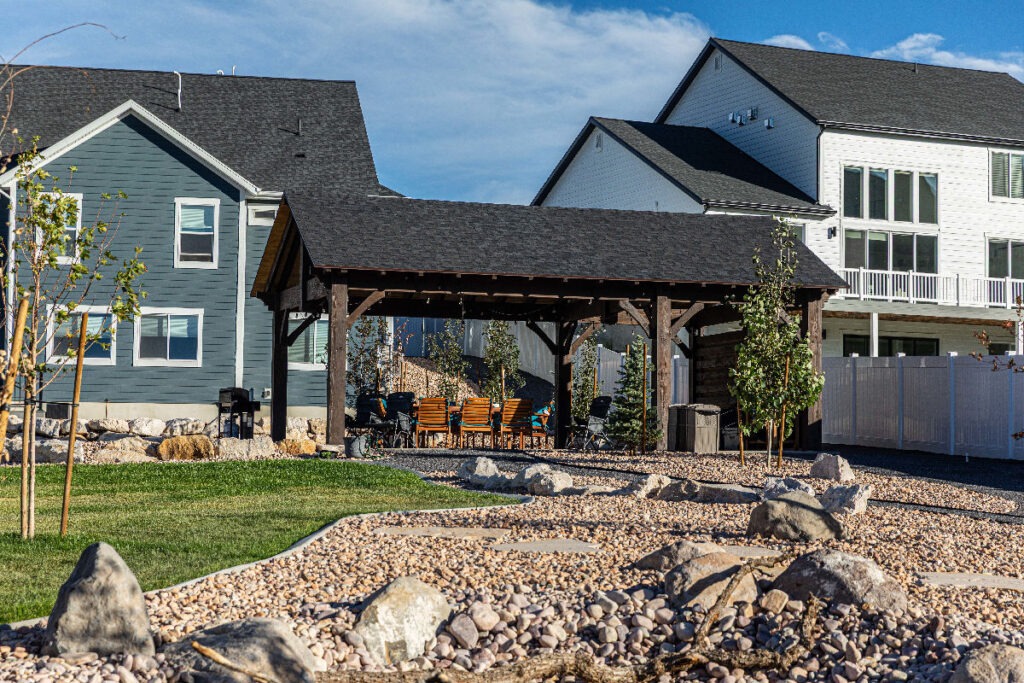
- Shade and comfort at wait points — drop-off areas, entrances, and outdoor seating benefit from shade trees or structures, especially during Utah’s hot summer months
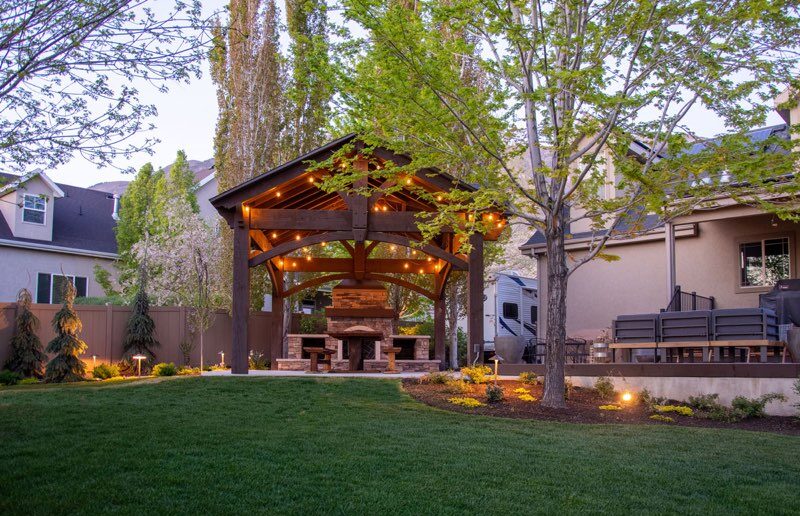
- Lighting for evening arrivals — landscape lighting extends the guest experience into evening hours and adds a safety element for pathways and parking areas
Matching Design to Guest Type
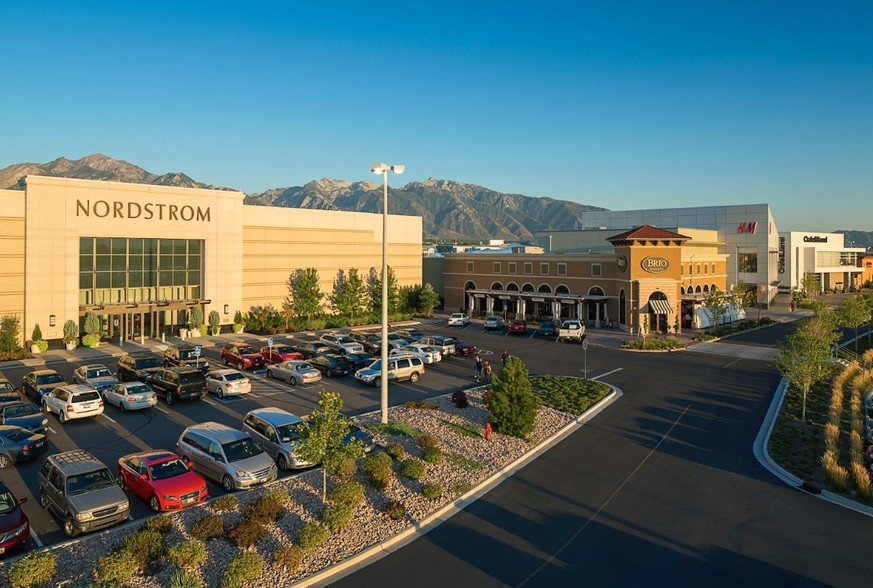
A hotel’s landscape design priorities differ from a medical office’s — hospitality properties often lean into more elaborate seasonal displays and photo-worthy features, while healthcare facilities benefit more from calming, low-stimulation plantings and clear, accessible pathways. Retail centers tend to prioritize visibility (not blocking storefront signage) and durability against high foot traffic. A design plan should reflect which of these categories the property actually falls into, rather than applying a generic commercial template.
Maintenance as Part of the Design
A design that looks excellent on installation day but can’t be maintained on a realistic budget will decline within a season. Guest-facing commercial landscaping should be designed with the property’s actual maintenance capacity in mind — including plant choices that hold up to the maintenance schedule the property will realistically commit to.
Frequently Asked Questions
How much does landscape design really affect a hotel or retail business?
First impressions measurably influence guest perception of quality and trust, and the entrance landscape is often the very first thing a visitor experiences. It’s a small piece of the overall guest experience budget with outsized visibility.
Should medical offices and hotels have different landscape designs?
Yes — guest expectations and needs differ by property type. Healthcare settings benefit from calming, low-maintenance design; hospitality settings can support more elaborate, seasonally-rotated displays.
How often should guest-facing commercial landscaping be refreshed?
Seasonal color changes should happen multiple times a year; structural design elements typically last many years if properly maintained, needing only a refresh every several years.
Is landscape lighting worth the investment for commercial properties?
For properties with evening visitors or extended hours, lighting extends the guest experience and adds safety value along pathways and parking areas — it’s one of the more visible upgrades for the investment.
Budgeting Guest-Facing Landscape Design Around Actual Visitor Patterns
Not every part of a commercial property carries equal weight for guest experience. The entrance, main walkway, and any outdoor seating or waiting areas see the highest visibility and should receive the largest share of design attention and maintenance budget; secondary areas like side yards or rear parking can be maintained more simply without affecting guest perception. Mapping out actual visitor flow across a property — where people arrive, walk, and linger — before finalizing a design budget prevents overspending on low-visibility areas while underdesigning the entrance guests actually experience.
Case Example: Retrofitting an Aging Entrance
A common project type is a commercial property with an entrance landscape original to the building’s construction, now overgrown or outdated relative to current guest expectations. Rather than a full teardown, targeted updates — replacing overgrown foundation plantings with a layered, appropriately scaled design, adding seasonal color pockets near the entry, and updating or adding pathway lighting — can meaningfully change guest perception without the cost or disruption of a complete redesign. These retrofits are often the highest-return guest-experience investment available to an established property.
Millburn Lawn & Landscape designs commercial landscapes built around how guests actually experience your property. Call us to talk about your entrance and grounds.