One of the most common questions landscape designers hear from Salt Lake City homeowners is:
“How far in advance should I plan my landscape design?”
The short answer is: earlier than you think.
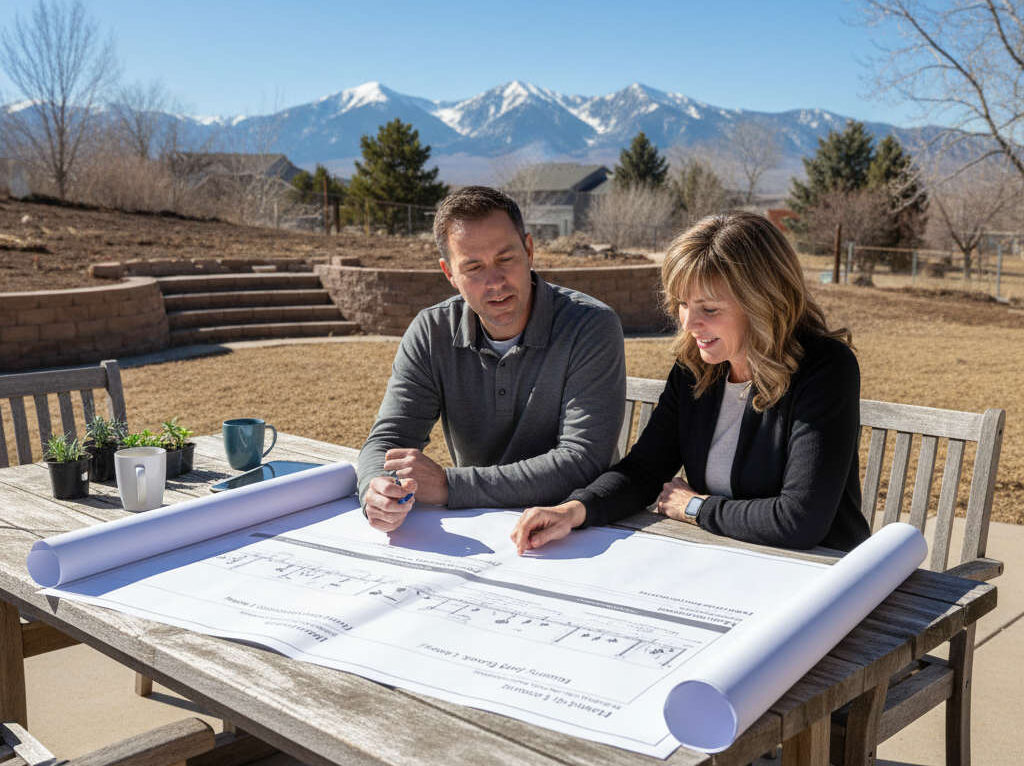
Landscape design is not a last-minute decision. It’s a planning-heavy process that involves site evaluation, design development, material selection, scheduling, and seasonal timing. In Utah’s climate, waiting too long can mean missed planting windows, higher costs, and delayed installations.
This guide explains exactly how far in advance you should plan your landscape design, why timing matters in Salt Lake City, and how proper planning leads to better results and fewer headaches.
Why Landscape Design Timing Matters in Salt Lake City
Salt Lake City presents unique challenges that make early planning essential:
- Short spring installation windows
- Freeze-thaw cycles that affect construction
- Limited contractor availability during peak season
- Water restrictions and irrigation considerations
- Soil conditions that require preparation
Because of these factors, homeowners who plan early almost always get better designs, better schedules, and better long-term performance from their landscapes.
The Ideal Landscape Design Timeline
6–9 Months in Advance: Best-Case Scenario
Planning your landscape design six to nine months ahead is ideal, especially if your project includes:
- Patios or hardscaping
- Retaining walls
- Drainage corrections
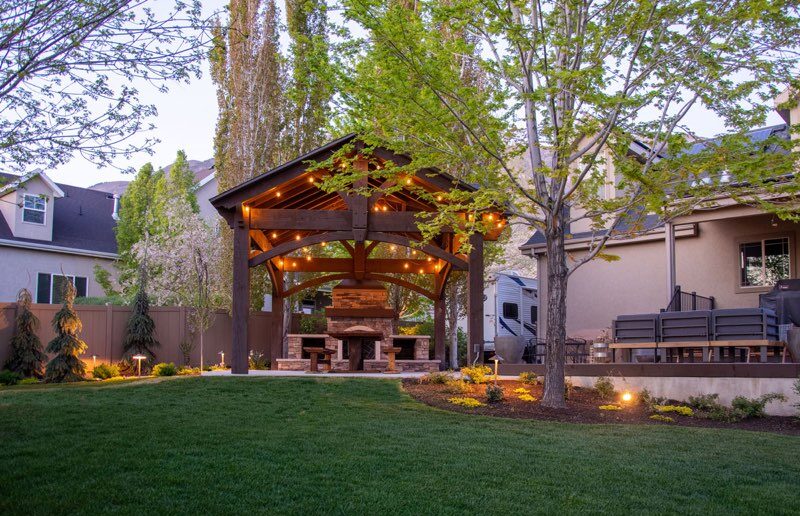
- Outdoor living spaces
- Irrigation systems
This timeline allows for:
- Detailed site analysis
- Multiple design revisions
- Material availability
- Permit coordination if needed
- Flexible installation scheduling
For spring or early summer installation, this means starting design discussions in late summer or fall of the previous year.
3–5 Months in Advance: Still Very Effective
Planning three to five months ahead still produces strong results for most Salt Lake City homes.
This timeline works well for:
- Medium-size yard upgrades
- Partial landscape renovations
- Plant-focused designs with limited hardscape
At this stage, design professionals can still:
- Optimize layout
- Choose climate-appropriate plants
- Coordinate irrigation planning
- Schedule work before peak demand
Waiting longer than this begins to limit options.
Less Than 3 Months: Limited Availability and Higher Risk
Planning less than three months in advance often leads to:
- Rushed design decisions
- Limited contractor availability
- Higher costs
- Delayed installation dates
In Salt Lake City, spring fills quickly. Many homeowners who wait until March or April find that installation is pushed into mid-summer or fall.
Seasonal Planning Considerations in Utah
Fall and Winter: The Best Time to Plan
Contrary to popular belief, fall and winter are the best times to plan landscape design.
Benefits include:
- More design availability
- Less pressure to rush decisions
- Better pricing opportunities
- Priority scheduling for spring
Design work can happen year-round, even when installation cannot.
Spring: High Demand, Tight Schedules
Spring is the busiest season for landscape companies. Planning during this time often means:
- Longer wait times
- Fewer design revisions
- Limited material availability
If you plan in spring, expect installation later in the season.
Summer: Ideal for Observation, Not Design Starts
Summer is excellent for:
- Observing sun exposure
- Identifying drainage issues
- Noticing problem areas
However, it’s not ideal for starting design unless you’re planning for fall or the following year.
How Project Complexity Affects Planning Time
Simple Projects (1–3 Months Ahead)
- Plant refreshes
- Small irrigation updates
- Lighting additions
Moderate Projects (3–6 Months Ahead)
- Patios
- Partial yard redesigns
- Lawn reductions or xeriscaping
Complex Projects (6–12 Months Ahead)
- Full property redesigns
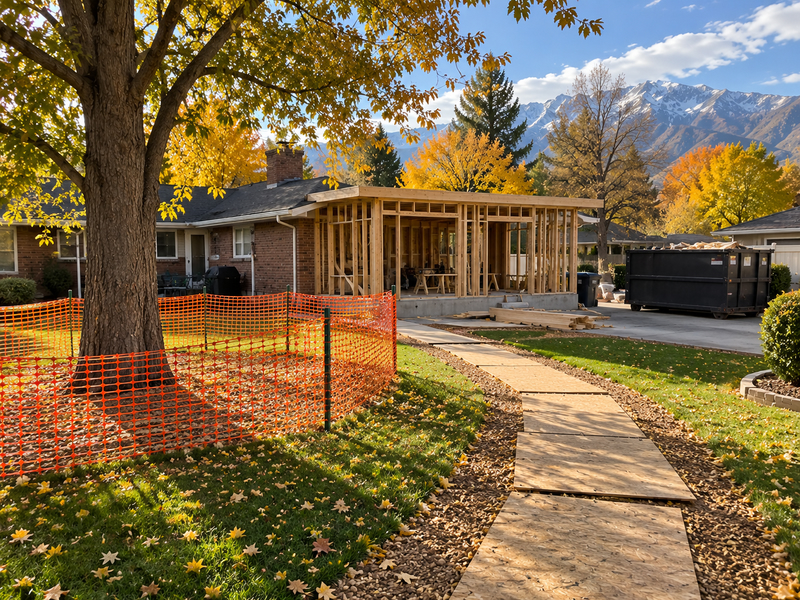
- Outdoor kitchens or structures
- Significant grading or drainage work
The more permanent the feature, the earlier planning should begin.
Why Early Planning Saves Money
Homeowners who plan ahead often save money by:
- Avoiding rush fees
- Locking in contractor schedules
- Preventing design changes mid-build
- Reducing material substitutions
Rushed landscape projects almost always cost more and perform worse long-term.
Common Mistakes Homeowners Make
- Waiting until spring to start planning
- Assuming design and installation are instant
- Not accounting for weather delays
- Skipping professional design to “save money”
- Trying to do everything in one season without planning
Proper planning avoids all of these issues.
Final Thoughts
So, how far in advance should you plan your landscape design?
- Ideally, 6–9 months ahead, especially in Salt Lake City’s climate.
- At minimum, 3–5 months for quality results.
Early planning leads to better designs, smoother installations, and landscapes that perform well for years to come.
Final Thoughts
So, how far in advance should you plan your landscape design?
👉 Ideally 6–9 months ahead, especially in Salt Lake City’s climate.
👉 At minimum, 3–5 months for quality results.
Early planning leads to better designs, smoother installations, and landscapes that perform well for years to come.
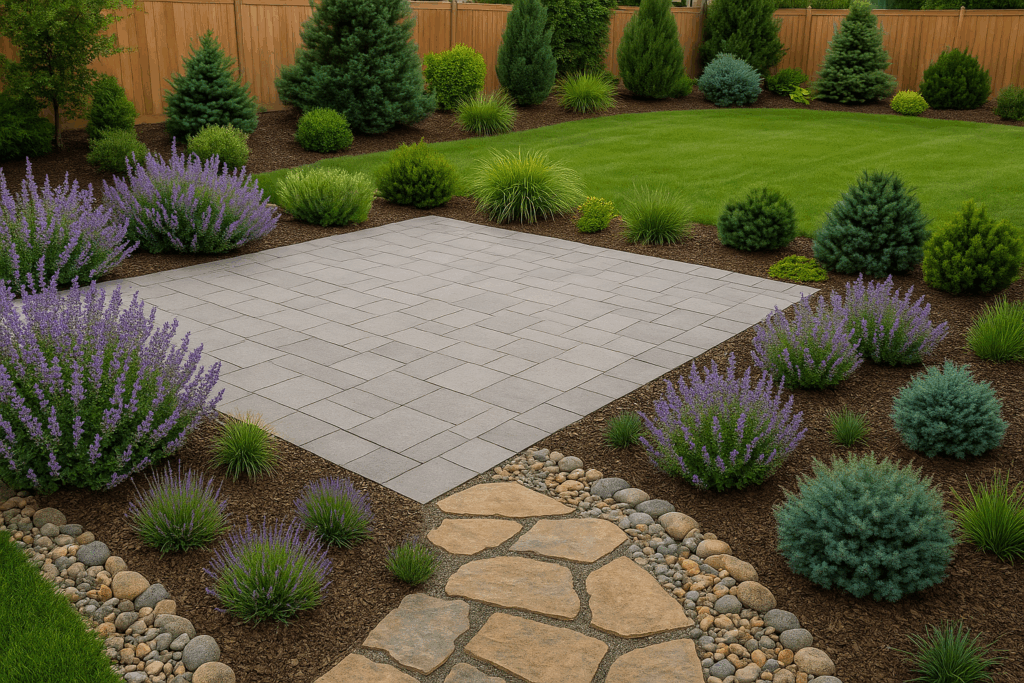
Thinking about upgrading your outdoor space?
The best time to start planning your landscape design is before the busy season begins.
Visit https://www.millburnlandscape.com/
to connect with professionals who understand Salt Lake City’s climate and help you plan with confidence.
Frequently Asked Questions (FAQ)
Can I plan landscape design during winter?
Yes. Winter is one of the best times to plan landscape design because there is more availability and less pressure to rush decisions.
How long does the design phase usually take?
Most designs take 2–6 weeks, depending on project size and complexity.
Is it possible to phase a landscape project over time?
Absolutely. Many Salt Lake City homeowners plan a master design and install it in phases to manage budget and timing.
Do I need permits for landscape projects?
Some features, such as retaining walls or structures, may require permits. Early planning allows time for approvals.
Does early planning guarantee earlier installation?
Early planning greatly increases your chances of securing preferred installation dates, especially in spring.
What happens if I wait too long to plan?
Waiting too long often results in limited availability, higher costs, and delayed installation.