Skipping fall yard cleanup is one of the most common — and most expensive — mistakes Salt Lake City homeowners make, because the damage doesn’t show up until spring, when it’s already harder and more time-consuming to fix.
Why Leaving Leaves and Debris Damages Your Lawn
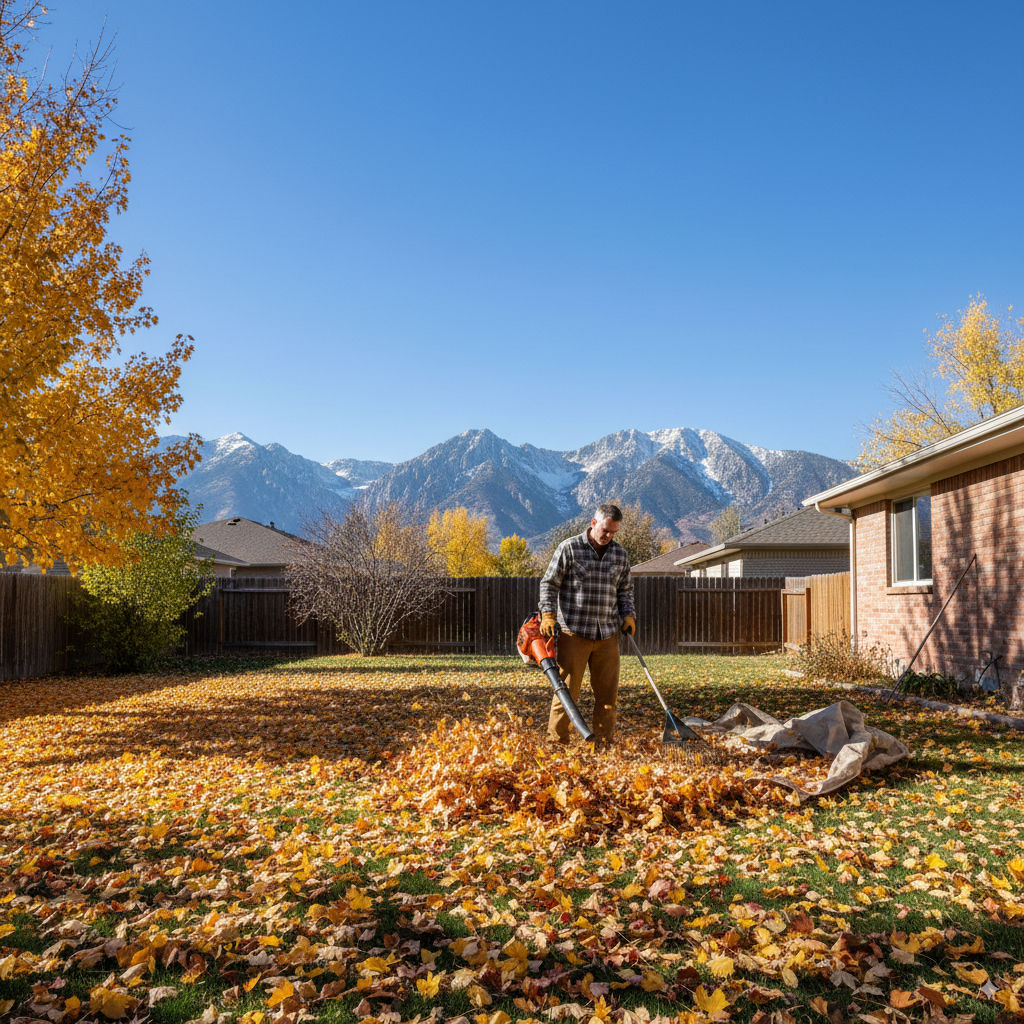
Piles of fallen leaves and yard debris left in place over winter create a suffocating layer that blocks air, sunlight, and water from reaching the grass beneath. Trapped moisture under that layer becomes the perfect breeding ground for snow mold and other lawn diseases, and grass that’s been smothered all winter struggles to bounce back in spring, leading to thin patches and a longer, more difficult recovery.
What Fall Debris Actually Does to Your Soil
Beyond suffocating grass blades directly, a thick layer of wet leaves compacts against the soil surface over the winter months, making it harder for water and air to penetrate once growth resumes in spring. Soil that’s been compacted under debris all winter often needs aeration before the lawn can recover fully — an extra step that a proper fall cleanup would have avoided entirely.
What a Proper Fall Cleanup Actually Involves
A thorough end-of-season routine covers more than just raking leaves. Removing yard debris, aerating any compacted soil, cutting grass to the correct height for winter dormancy, winterizing sprinkler systems before the first hard freeze, and preparing flowerbeds and shrubs for dormancy all work together to protect the yard through winter and set it up for a stronger spring recovery.
Why Sprinkler Winterization Can’t Wait
Water left in irrigation lines through a hard freeze can crack pipes and damage valves, turning a routine fall task into an expensive spring repair. Blowing out sprinkler lines before temperatures drop is a small step that prevents a genuinely costly problem — one of several reasons a full fall service matters more than just leaf removal alone.
The Real Cost of Waiting Until Spring
By the time snow melts and the damage from a skipped fall cleanup becomes visible, homeowners are often looking at dead patches, active mold, and compacted soil that requires real repair work — reseeding, dethatching, aeration — rather than the routine maintenance a fall cleanup would have been. What seemed like an easy task to skip in October becomes a more involved, more time-consuming project in April.
Why Hiring a Professional Service Makes a Real Difference
A professional crew has the tools and experience to remove debris efficiently and thoroughly, knows how to spot early signs of soil compaction or mold risk that an untrained eye might miss, and can winterize irrigation correctly the first time. Investing in a proper fall service reduces the odds of needing reseeding, sod replacement, or fungus treatment once spring arrives.
Frequently Asked Questions
Why can’t I just wait until spring to clean up my yard?
By spring, leaves left over winter have already trapped moisture and caused mold growth, soil compaction, and dead patches — damage that’s considerably more work to reverse than the original cleanup would have been.
Does fall yard cleanup include sprinkler winterization?
A comprehensive fall service should include shutting down and blowing out sprinkler lines to prevent freeze damage to pipes and valves.
How late into the season can I still schedule fall landscaping?
Ideally before the first snowfall — in Salt Lake City that generally means scheduling service in October or early November, before hard freezes set in.
Signs Your Yard Already Has Snow Mold Damage
If last year’s fall cleanup was skipped or incomplete, watch for matted, grayish-pink patches in the grass as soon as snow melts — a telltale sign of snow mold that developed under debris left in place over winter. Catching it early and raking affected areas to improve airflow gives the lawn a better chance of recovering fully once active growth resumes, rather than needing reseeding later in spring.
Millburn Landscape specializes in fall yard cleanup across Salt Lake City. Call us to schedule your service before the leaves — and the snow — pile up.