A well-designed outdoor space is more than a yard — it’s a genuine extension of the home, and understanding the process behind turning a rough idea into a finished landscape helps Salt Lake City homeowners know what to expect at every stage.
Starting With Your Actual Vision
Every project begins with you, the homeowner. The design journey starts with an in-depth consultation where the team listens carefully to your desires, lifestyle needs, and aesthetic preferences — whether that’s a serene garden retreat, a modern entertaining hub, or a child-friendly play space. Translating those ideas into a clear, actionable vision is the foundation everything else builds from.
A Genuinely Comprehensive Site Analysis
Before any design work begins, a thorough evaluation of the property covers topography, existing structures, soil quality, sunlight patterns, and drainage. These environmental factors are crucial to ensuring the finished landscape doesn’t just look good on installation day but genuinely thrives over time. Understanding these site conditions upfront lets the design anticipate challenges rather than reacting to them after installation.
A Design Proposal Built Around Your Property
With site information and personal goals gathered, a tailored design proposal brings the vision to life through detailed sketches, 3D renderings, and layout plans covering plant placements, hardscape features, and lighting concepts. This phase is collaborative — you provide feedback and make adjustments until the design genuinely matches your goals and lifestyle, rather than settling for a close approximation.
Transparent Pricing and Realistic Planning
Budget transparency matters throughout the process. Once a design is finalized, an itemized proposal outlines materials, labor, and installation timelines clearly, helping eliminate surprises so you feel confident moving forward. Planning also includes scheduling work around both your convenience and the seasonal timing that gives installation the best chance of long-term success.
Installation That Matches the Plan
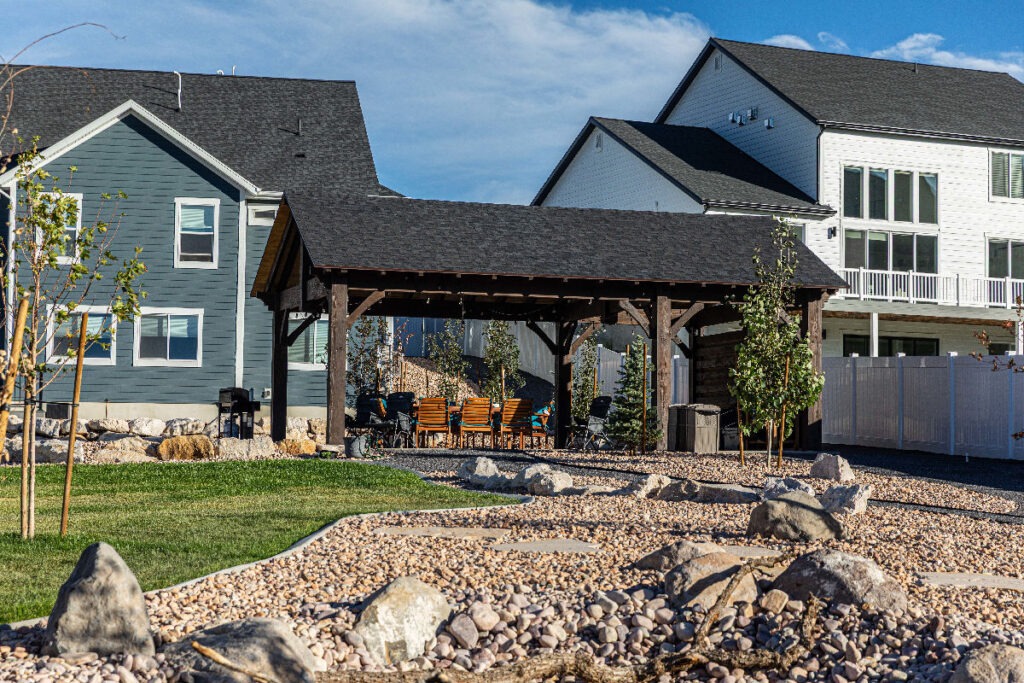
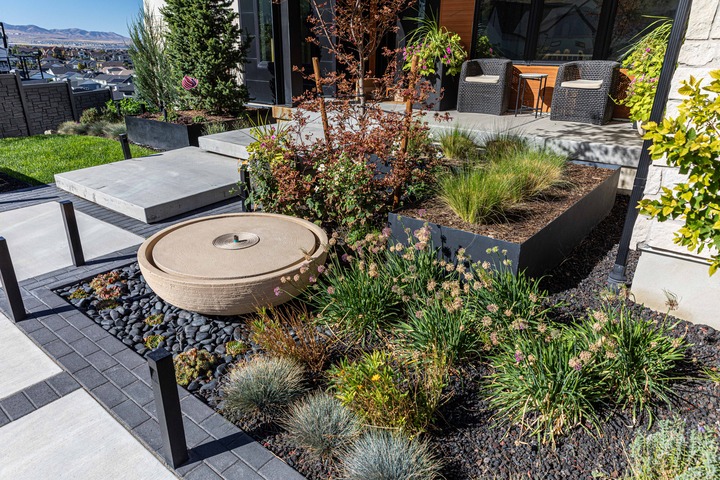
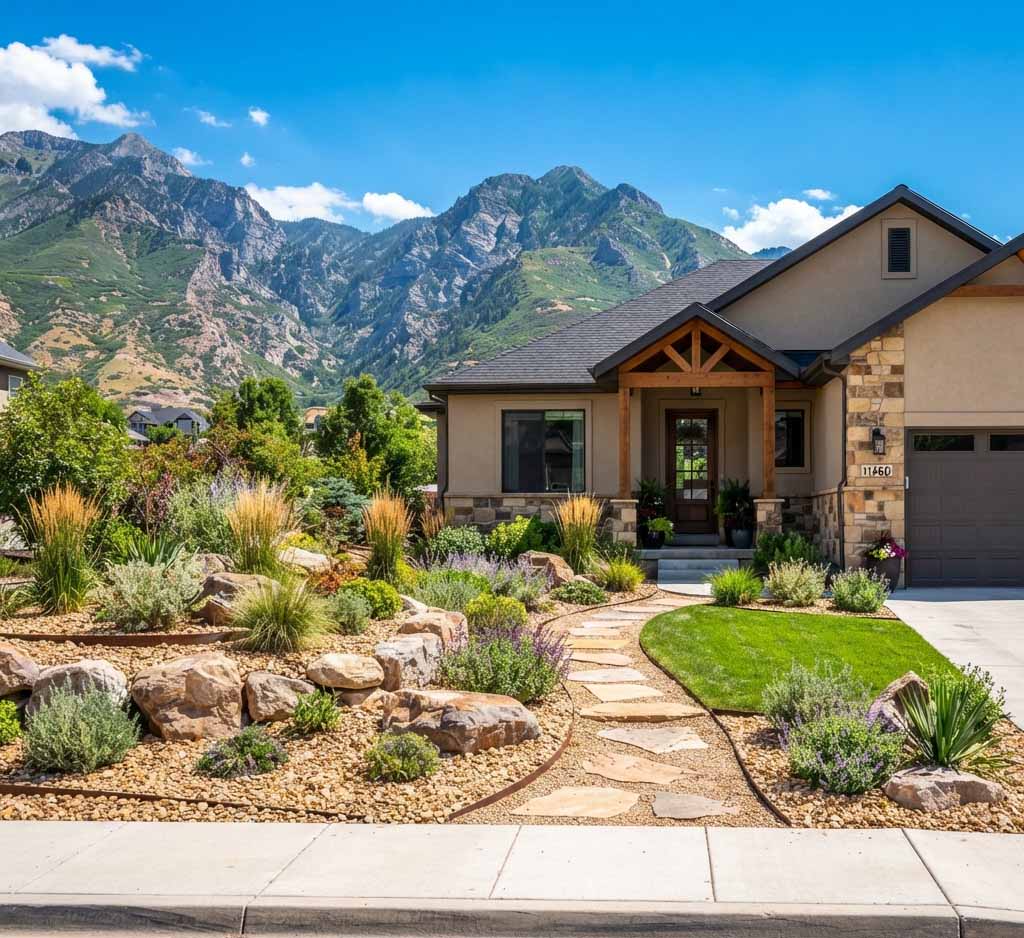
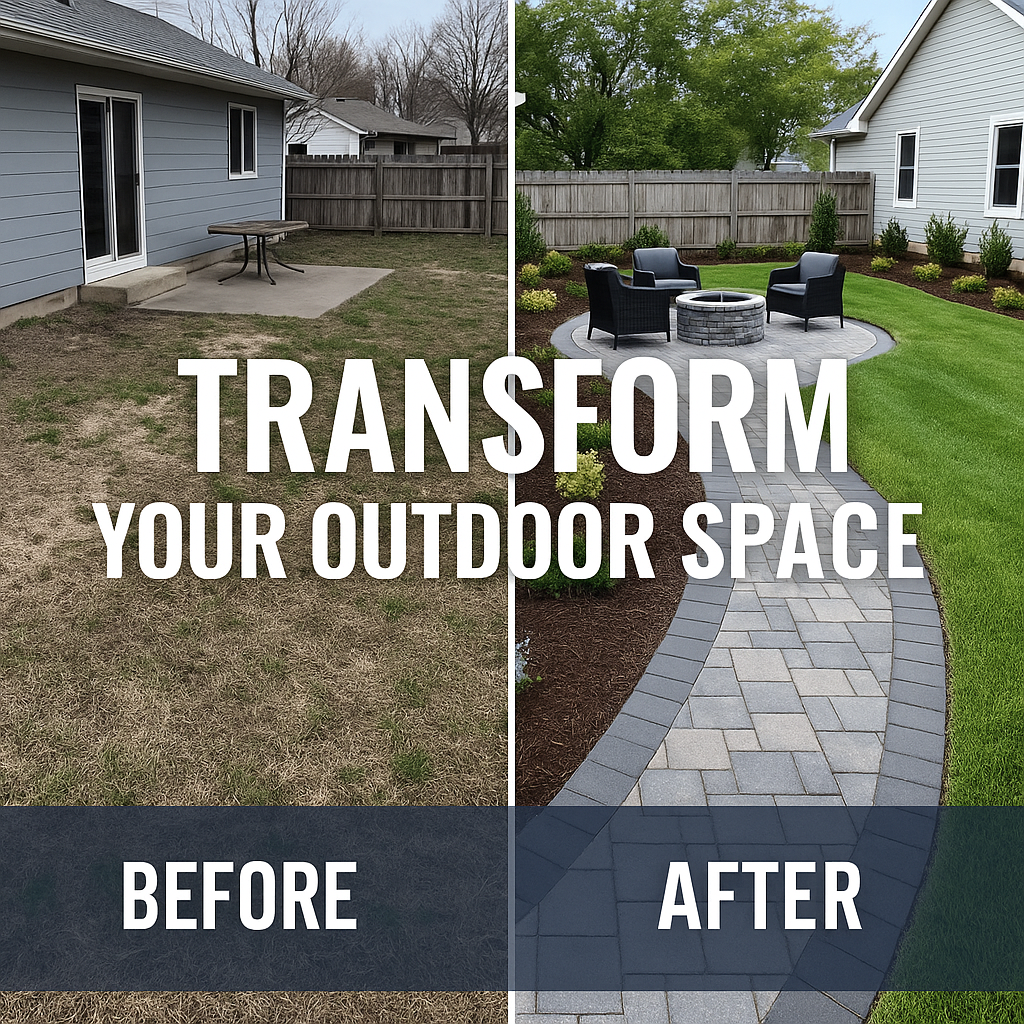
When it’s time to break ground, a professional crew brings the vision to life with genuine precision and care. From laying stone walkways to planting selected species, every element gets executed with real attention to detail — the goal is a seamless blend of beauty and function that actually reflects the plan agreed upon, not an improvised version of it.
Support That Continues After Installation
A finished landscape still needs ongoing care to stay healthy and vibrant. Seasonal cleanups, irrigation checks, and pruning through professional maintenance services protect the investment made in design and installation, ensuring the landscape continues to flourish for years rather than declining once the installation crew leaves.
Why a Structured Process Produces Better Results
A collaborative, client-focused process — moving deliberately from vision through site analysis, proposal, and installation — ensures the finished design genuinely reflects the homeowner’s actual goals while meeting the property’s environmental and functional needs. Skipping stages in favor of moving faster tends to produce a landscape that looks fine initially but reveals mismatches with the homeowner’s real needs once it’s actually being used.
Frequently Asked Questions
How long does the full design process typically take?
Timelines vary depending on project complexity, but most designs are completed within a few weeks, with regular updates provided at every stage.
Is maintenance included after installation, or is it separate?
Ongoing maintenance is typically offered as a separate service after installation, giving homeowners the option to protect their investment with continued professional care.
What makes a collaborative design process worth the extra time?
Building in feedback and revision stages before installation begins reduces the risk of a finished landscape that doesn’t match what the homeowner actually envisioned.
What Sets a Genuinely Collaborative Process Apart
Some landscape companies treat client feedback as a formality — a single round of “any changes?” before moving straight to installation. A genuinely collaborative process builds in real iteration, expecting that the first draft won’t be perfect and treating revision as a normal, expected part of getting the design right rather than a sign something went wrong.
Why Site-Specific Design Beats a Generic Template
Two yards of similar size in Salt Lake City can have completely different sun exposure, soil composition, and drainage patterns depending on their exact location and orientation. A design built specifically around a property’s actual conditions — rather than adapted from a generic template — tends to need far less troubleshooting once plants are in the ground and the landscape is maturing.
Millburn Lawn & Landscape is your partner in outdoor transformation. Contact us to start your design consultation.