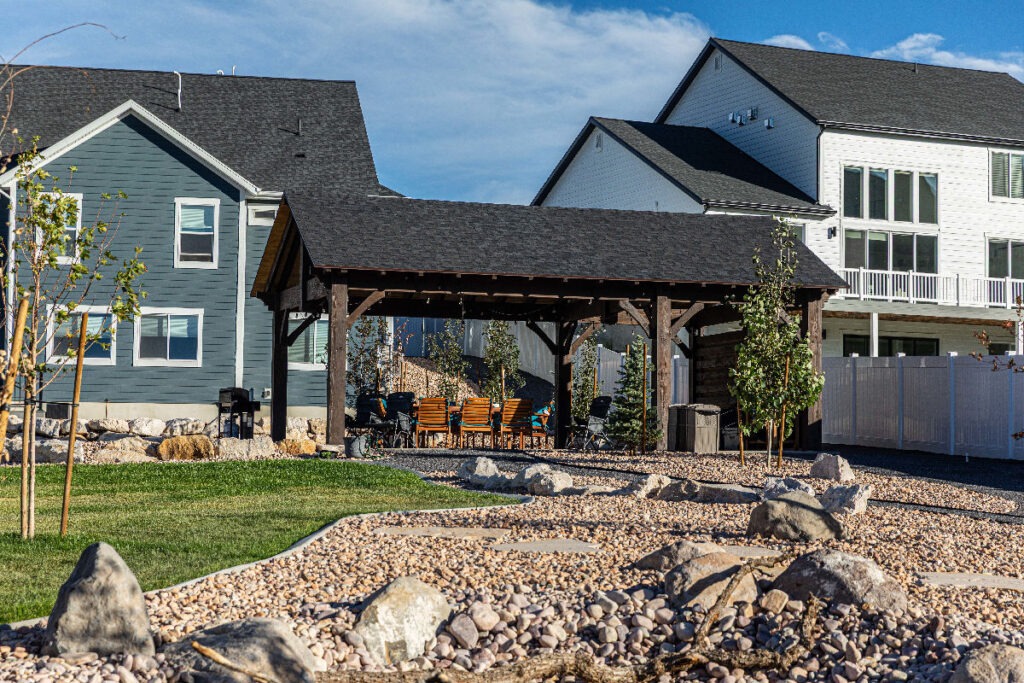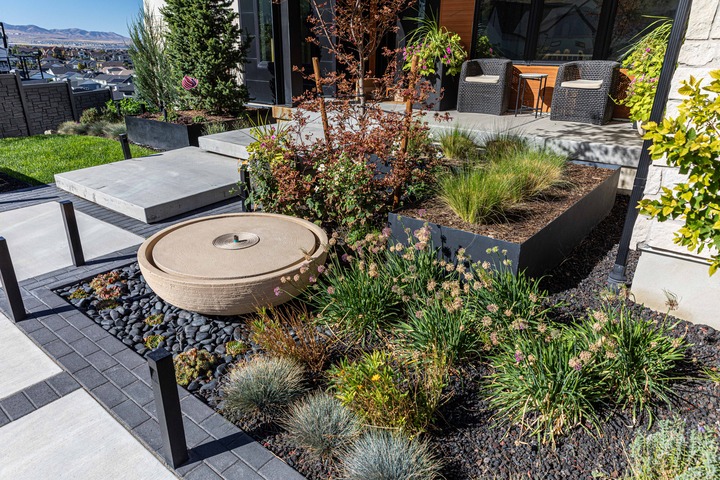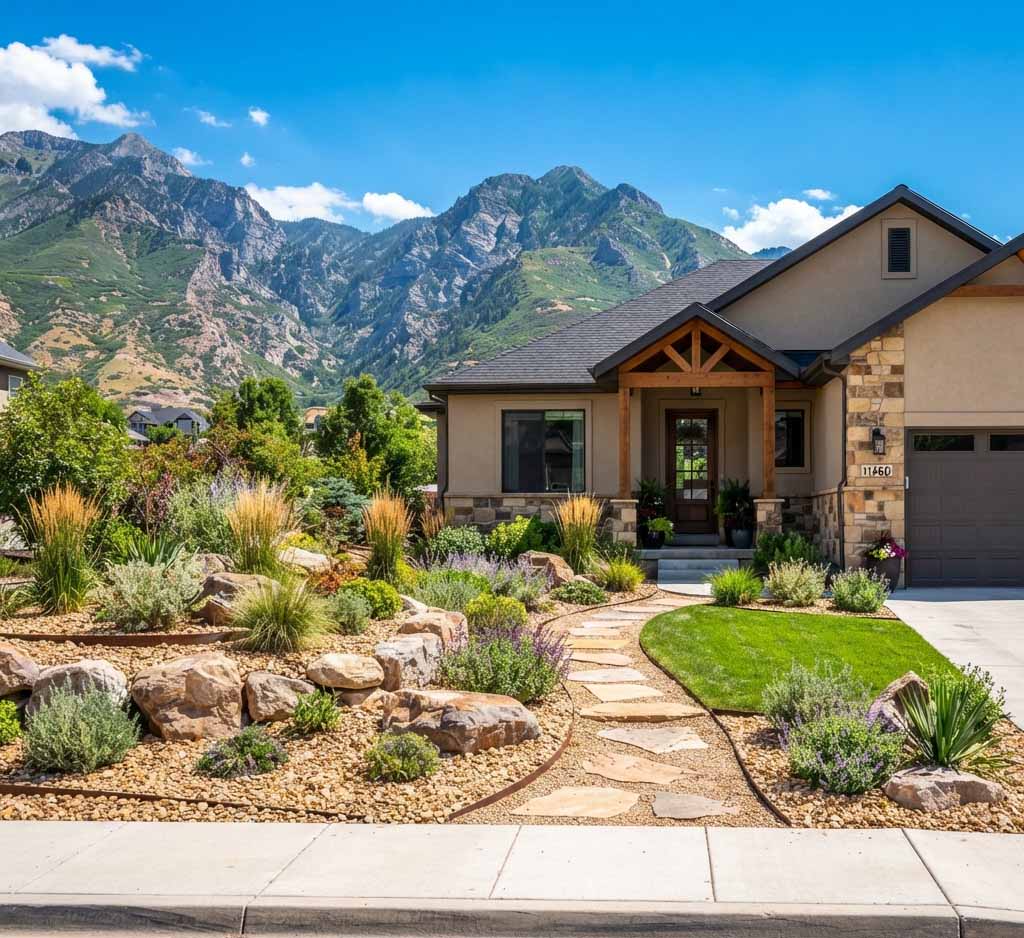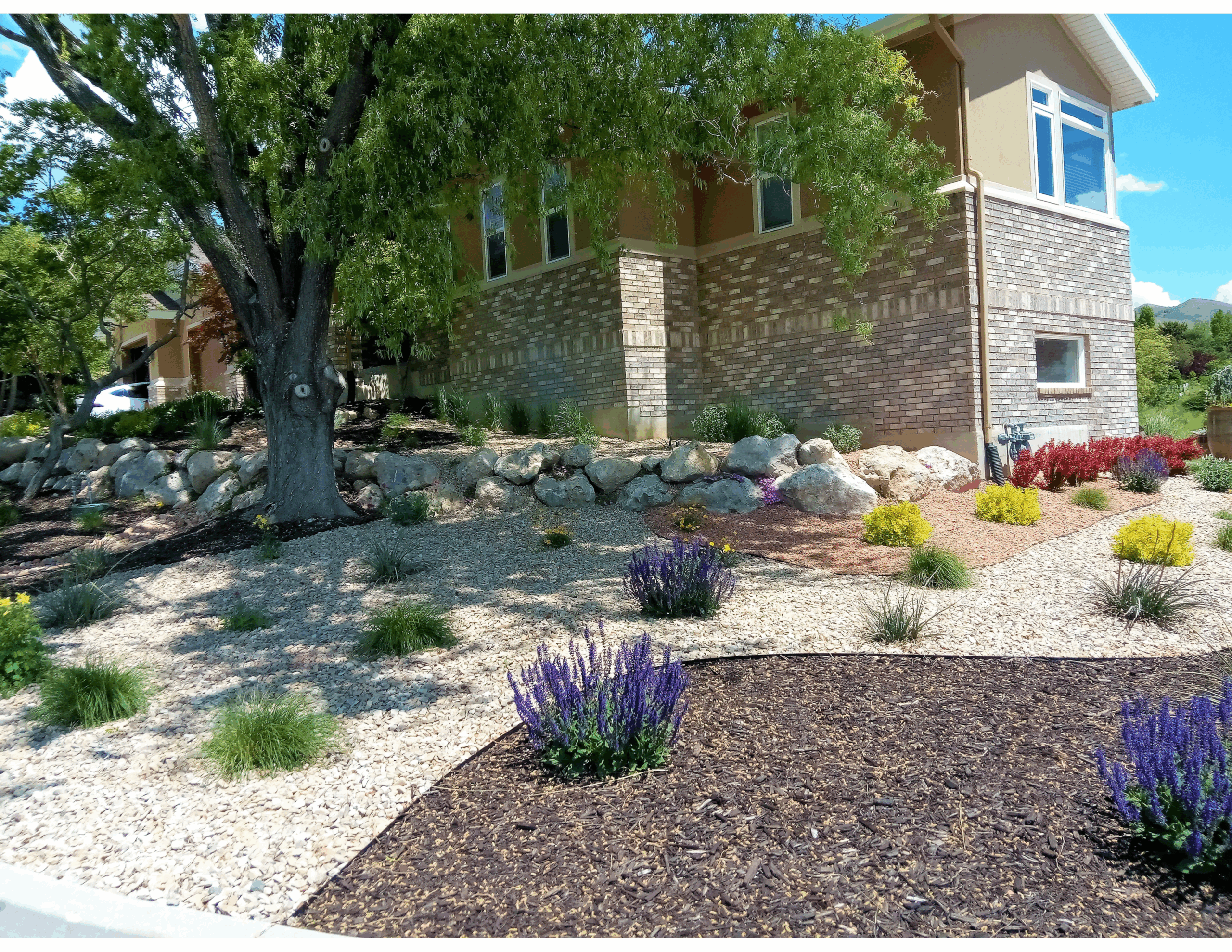
A drought-resistant landscape doesn’t mean giving up a good-looking yard — it means choosing plants and design strategies suited to Utah’s genuinely dry climate, so the landscape thrives with far less water and far less maintenance than a traditional lawn-heavy yard requires.
Why Drought-Resistant Landscaping Makes Sense in Utah
Water conservation in Salt Lake City isn’t optional planning — it’s a practical necessity given the region’s climate. Traditional turf-heavy lawns demand consistent, heavy watering to stay green through the summer, which drives up both water use and the ongoing maintenance burden. Switching to drought-resistant landscaping reduces both significantly while still delivering a genuinely attractive yard.
What You Actually Gain
Beyond the direct water savings, drought-resistant landscaping cuts down on the time spent mowing, fertilizing, and generally maintaining a thirsty lawn — hours that add up significantly over a full growing season. Well-designed drought-resistant landscaping also tends to enhance curb appeal by complementing Utah’s natural high-desert surroundings rather than looking out of place against them.
Plants That Perform Well in Utah’s Climate
- Blue fescue grass — an attractive ornamental grass that requires minimal supplemental water once established
- Russian sage — produces striking purple blooms and handles Utah’s dry conditions reliably
- Yarrow — colorful, hardy, and well-adapted to dry growing conditions
- Sedum — a low-growing groundcover that’s particularly effective for reducing water use across larger planted areas
A professional design consultation can help match specific plant choices to your yard’s sun exposure, soil, and overall style goals.
Steps to a Successful Low-Maintenance Installation
A drought-resistant landscape conversion generally follows a few key steps: planning a layout centered on native and drought-resistant plants, improving soil so it retains moisture more effectively, installing efficient drip irrigation that minimizes water waste, and professional installation to ensure everything is set up correctly from the start. Skipping soil preparation is one of the more common mistakes — even drought-tolerant plants establish better and perform more reliably in soil that’s been properly prepared.
Ongoing Care, Even for Low-Maintenance Landscapes
“Low-maintenance” doesn’t mean zero maintenance. Seasonal pruning keeps plants healthy and looking their best, mulching helps retain soil moisture and suppress weeds while slowly adding nutrients back to the soil, and periodic inspection of the irrigation system ensures it continues operating efficiently rather than developing leaks or clogs that go unnoticed. For homeowners who’d rather not manage even this reduced level of care, professional maintenance services can keep a drought-resistant landscape looking its best year-round.
Frequently Asked Questions
How much water does drought-resistant landscaping actually save?
Homeowners commonly see a substantial reduction in outdoor water use after converting to drought-resistant landscaping, since the plants involved are specifically selected to thrive with minimal supplemental watering once established.
Do drought-resistant plants survive Utah winters?
Yes — the species recommended for Utah drought-resistant landscaping are chosen specifically because they handle both the region’s dry summers and cold winters, not just one or the other.
Does drought-resistant landscaping affect property value?
Well-designed, water-efficient landscaping tends to enhance curb appeal and can positively influence property value, particularly as water-conscious landscaping becomes more common and desirable in Utah.
Designing Around Utah’s Specific Microclimates
Salt Lake City’s growing conditions vary meaningfully across the valley — properties closer to the foothills often see different temperature swings and precipitation patterns than valley-floor lots, and a drought-resistant design should account for a property’s specific microclimate rather than applying one generic plant palette everywhere. A site-specific consultation identifies which drought-tolerant species will actually perform best given a property’s exact sun exposure, elevation, and soil conditions.
Combining Drought-Resistant Plants With Hardscape
Thoughtfully placed hardscape — gravel paths, stone accents, or a small patio — reduces the total planted area needing irrigation while adding visual structure to a drought-resistant design. Pairing hardscape with drought-tolerant plantings creates a landscape that reads as intentional and well-designed, rather than simply “less lawn,” which is a common concern homeowners have before making the switch.
Ready to create a beautiful, low-maintenance landscape? Schedule your consultation with Millburn Lawn & Landscape and transform your yard today.