Freezing temperatures in Salt Lake City can seriously damage an unprepared sprinkler system, and a proper fall blowout — clearing all water from pipes, valves, and sprinkler heads before winter — is the single most effective way to prevent that damage.
Why Fall Blowouts Matter in Salt Lake City Specifically
Temperatures along the Wasatch Front can drop quickly once fall turns to winter, often faster than homeowners expect. Water left in an irrigation system freezes and expands inside pipes, valves, and sprinkler heads, and that expansion is what cracks components and causes the kind of damage that shows up as a broken system come spring. A proper blowout uses compressed air to force all residual water out of the system, eliminating the water that would otherwise freeze and cause damage through the winter months.
What a Fall Blowout Actually Prevents
- Cracked pipes and valves — water freezing inside rigid components is the direct cause of the cracks that require full section replacement
- Expensive spring repairs — a damaged irrigation system discovered at spring turn-on often means emergency repair costs and a delayed start to the watering season
- Reduced system lifespan — repeated freeze damage across multiple winters shortens how long an irrigation system lasts before requiring a full system replacement
When to Schedule Your Blowout
The ideal window in Salt Lake City is typically late October through early November — late enough that the system has finished its useful season, but early enough to be complete well before the first hard freeze. Waiting too long into November risks a cold snap catching the system still full of water, which defeats the purpose of scheduling a blowout at all.
Why a Professional Blowout Beats a DIY Attempt
A proper blowout requires the right compressed air equipment and the knowledge to use it safely — too much pressure can damage sprinkler heads and system components, while too little won’t fully clear the lines. Professionals also inspect the system during the process, catching small issues (a failing valve, a damaged head) while they’re minor repairs rather than letting them become bigger problems discovered only when the system is turned back on in spring.
Protecting Your Investment Through Every Winter
An irrigation system represents a meaningful investment in a property’s landscaping, and a fall blowout is the maintenance step that protects that investment year after year. Skipping it even once creates real risk of damage that costs far more to repair than the blowout itself would have cost to schedule.
Frequently Asked Questions
What happens if I skip my fall sprinkler blowout?
Water remaining in the system can freeze and expand, cracking pipes, valves, and sprinkler heads — damage that typically isn’t discovered until the system is turned back on in spring, often requiring costly repairs.
When exactly should I schedule a blowout in Salt Lake City?
Late October through early November is the typical window — early enough to beat the first hard freeze, but late enough that the irrigation season has wrapped up.
Can I do a sprinkler blowout myself?
It’s possible with the right compressed air equipment, but improper pressure can damage components, and a DIY approach misses the inspection a professional performs during the process to catch developing issues early.
How long does a professional sprinkler blowout take?
Most residential systems can be completed in well under an hour, depending on the number of zones and the system’s overall complexity.
What Happens During a Professional Blowout
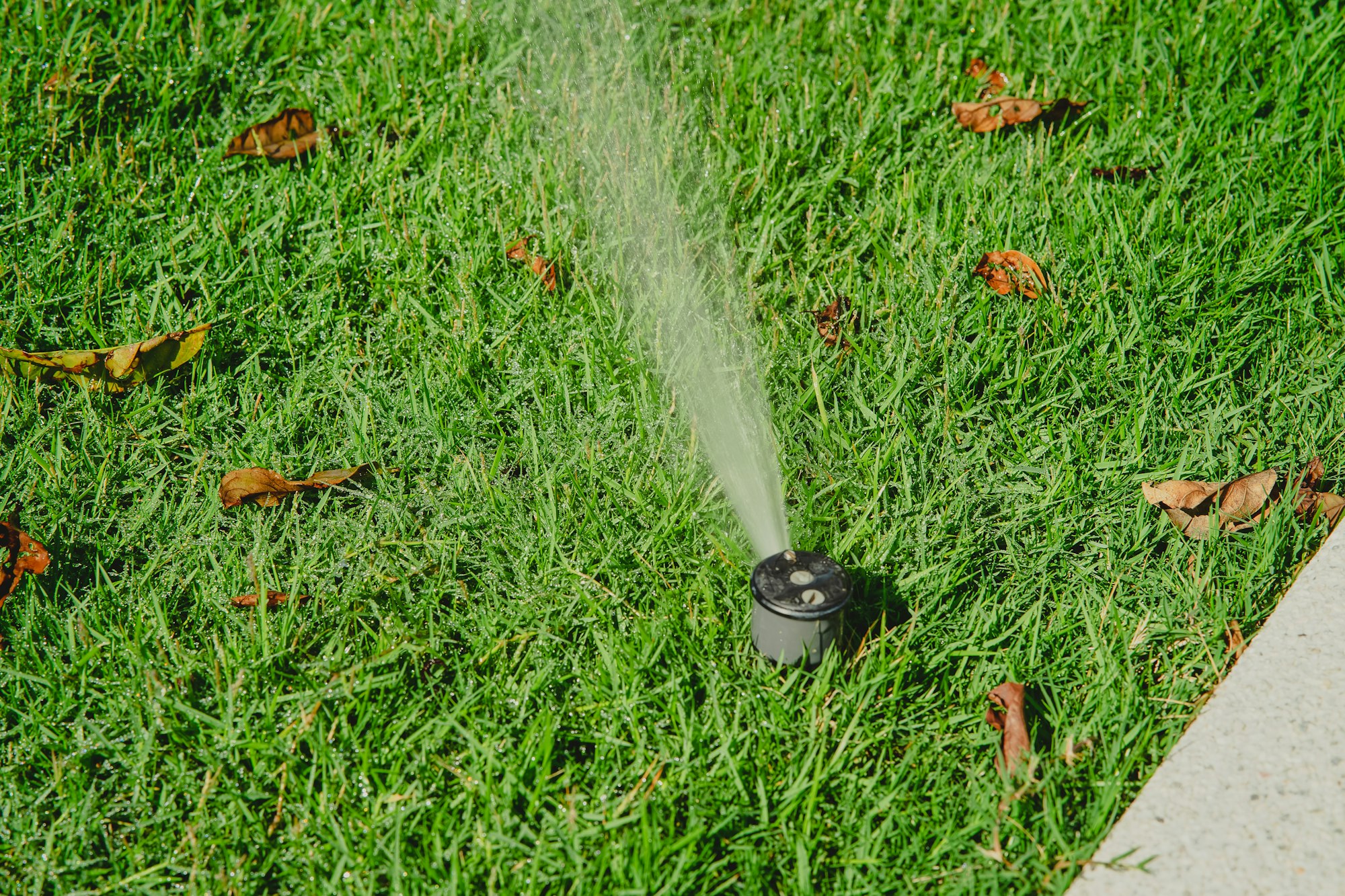
A technician connects a compressed air source to the irrigation system’s main line, then cycles through each zone individually, forcing residual water out through the sprinkler heads until the lines run dry. Pressure is carefully controlled throughout — enough to clear the water completely, but not so much that it damages heads, valves, or fittings in the process. This zone-by-zone approach also gives the technician a chance to notice any zone that isn’t clearing properly, which can flag a developing issue before it becomes a bigger problem.
Signs Your System May Already Have Freeze Damage
If a previous winter went through without a proper blowout, watch for signs at spring turn-on: a zone that won’t pressurize, water pooling unexpectedly near a valve box, or a sprinkler head that leaks even when the zone is off. Any of these can indicate freeze damage from water that wasn’t cleared the previous fall, and catching it early prevents a small repair from becoming a bigger one once the irrigation season is underway.
Get your sprinkler system ready for the Salt Lake City winter — contact Millburn Lawn & Landscape today to schedule your professional fall blowout.