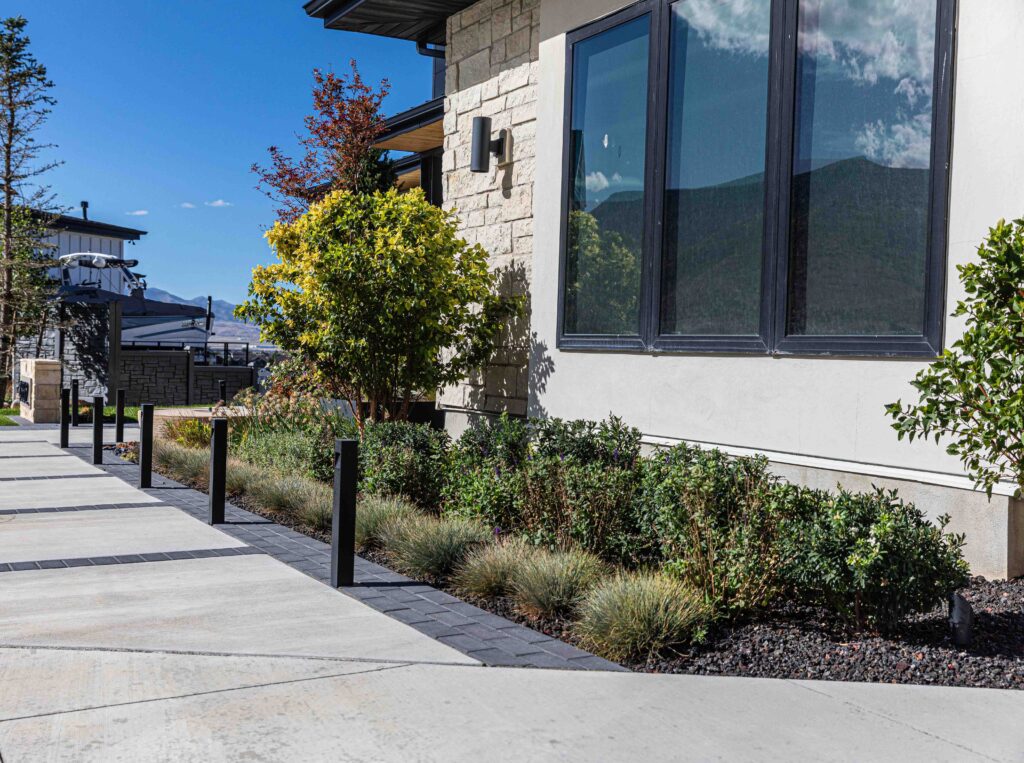
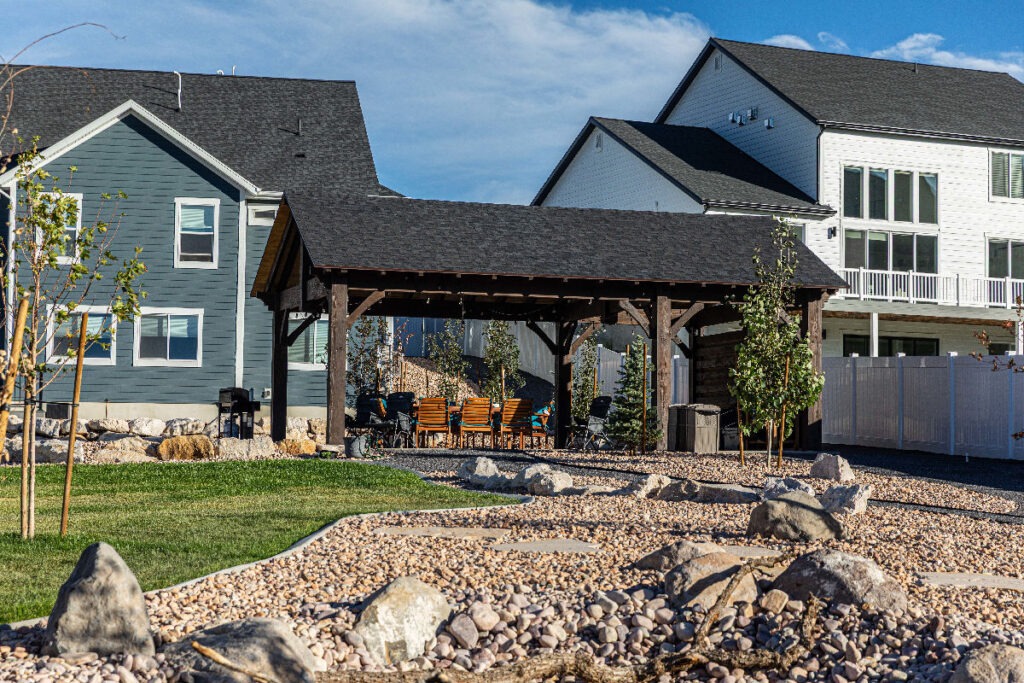
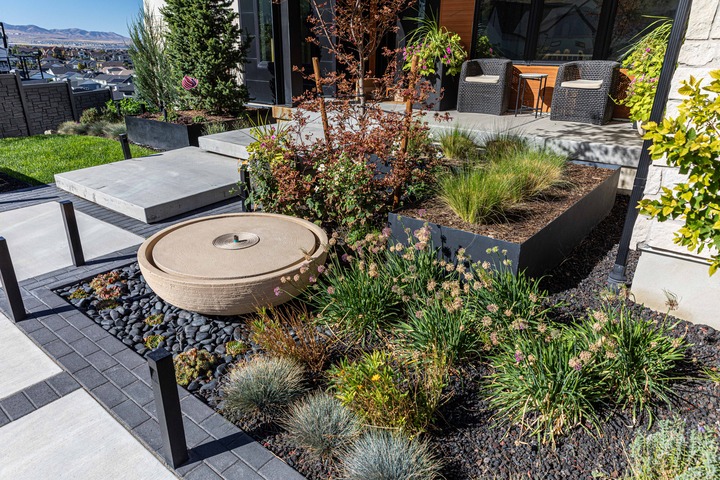
A successful commercial landscape doesn’t happen by accident — it’s the product of five foundational elements working together, each one shaping how the outdoor space actually functions for employees, customers, and visitors.
Functionality as the Foundation
Every aspect of a commercial outdoor space should be planned around how it will actually be used — traffic flow, accessibility, and genuine usability all matter as much as appearance. Whether that means comfortable seating areas for employees on break or inviting walkways for customers to explore, functionality ensures the landscape genuinely serves the people who use it rather than just looking good in photos.
Aesthetics That Create a Real First Impression
Visual appeal matters because it shapes the very first impression a visitor forms of a business. Selecting plantings, materials, and design elements that complement the building’s architecture and reflect the brand’s identity — from colorful flower beds to striking hardscape features — genuinely shapes how a property is perceived before anyone even walks inside.
Sustainability as a Genuine Business Consideration
Environmentally conscious design isn’t just a values statement — it delivers real, practical benefits. Drought-tolerant plantings, water-efficient irrigation, permeable paving, and native landscaping reduce water consumption and lower ongoing maintenance costs while also supporting local biodiversity, making sustainability a genuinely practical design consideration rather than a purely ethical one.
Branding Integrated Directly Into the Landscape
A commercial landscape offers a genuine opportunity to reinforce brand identity through visual cues — corporate colors, logo elements, or thematic design choices that reflect a company’s values and mission. Aligning the landscape with broader brand identity creates a cohesive, memorable experience for both customers and employees rather than treating the outdoor space as disconnected from everything else the brand represents.
Maintenance as the Element That Protects Everything Else
Even the most thoughtfully designed landscape degrades without ongoing care. A comprehensive maintenance plan addressing regular upkeep, seasonal needs, and periodic enhancements protects the investment made in the original design, ensuring the landscape’s beauty and functionality genuinely last rather than fading within a single season.
Why These Five Elements Need to Work Together
Focusing on any single element in isolation — beautiful plantings with no maintenance plan, or a highly functional layout with no aesthetic cohesion — produces a landscape that falls short somewhere. The strongest commercial landscapes genuinely integrate all five elements from the earliest planning stages, rather than treating them as a checklist to address separately.
Frequently Asked Questions
Which of these five elements matters most for a commercial property?
They genuinely work together rather than existing in a hierarchy — a landscape that excels in aesthetics but lacks a maintenance plan, for instance, will decline regardless of how strong the initial design was.
How does branding actually get incorporated into landscape design?
Through visual cues like corporate color palettes in plantings, logo-integrated signage, or thematic elements that reflect a company’s specific values and identity.
Why does sustainability matter for commercial properties specifically?
Beyond the environmental benefit, sustainable design choices like drought-tolerant plantings and efficient irrigation genuinely reduce ongoing water and maintenance costs for the business.
How These Elements Apply Differently by Property Type
A retail center’s landscape design typically weights branding and aesthetics more heavily, since customer perception drives foot traffic directly, while an office park may prioritize functionality and employee wellbeing. Understanding how a specific property type shifts the relative importance of each element helps focus design decisions appropriately.
Revisiting These Elements as a Property Evolves
A commercial landscape design that served a property well at installation may need reassessment as the business itself changes — an expanding retail footprint, a shift in target customer, or new sustainability goals can all justify revisiting how the five elements are balanced going forward.
Contact Millburn Lawn & Landscape to design a commercial landscape that brings all five elements together for your property.