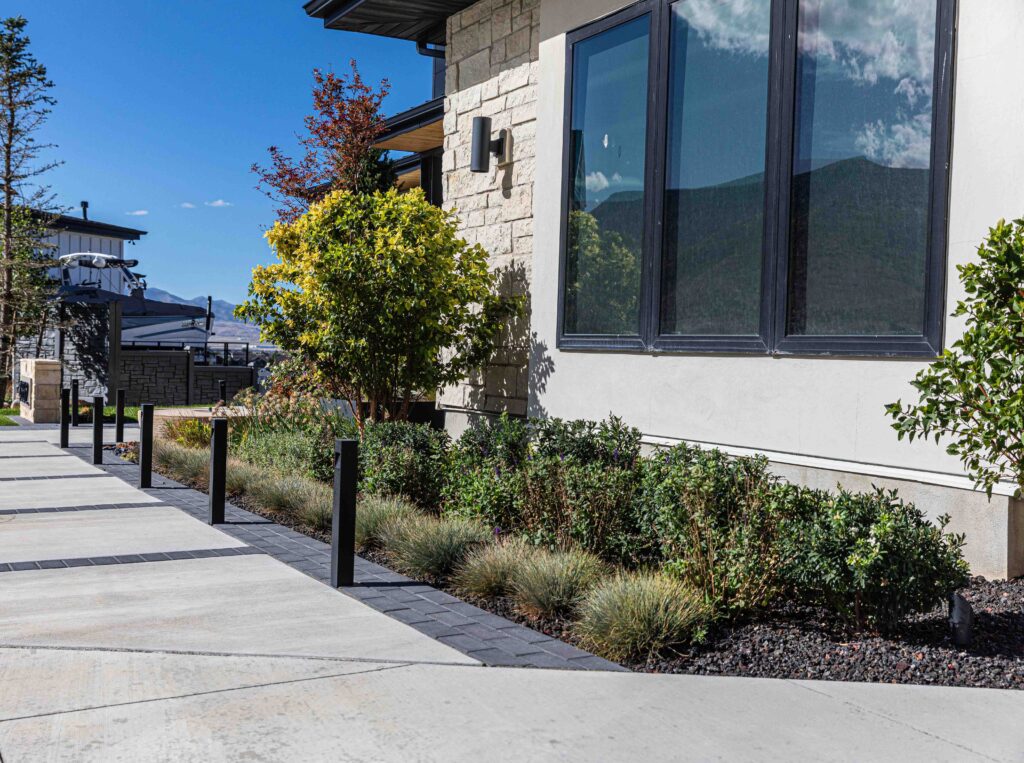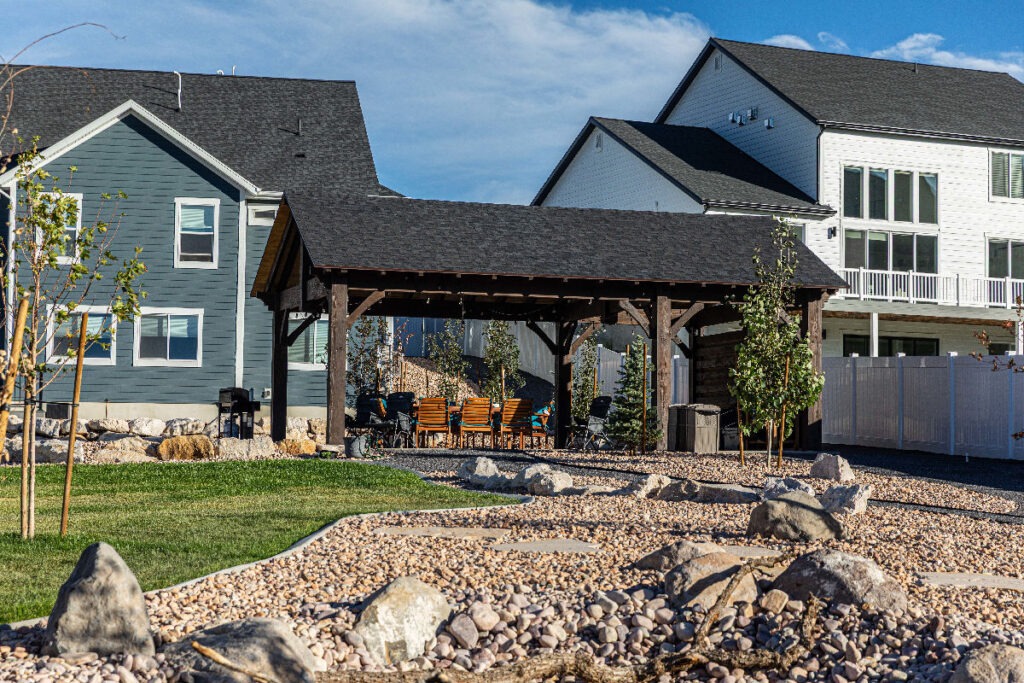
A sloped yard in Salt Lake City can feel like a limitation at first, but with the right design approach it becomes one of the most distinctive and functional parts of a property — the key is designing specifically around the slope rather than trying to flatten or ignore it.
Why Sloped Yards Deserve Thoughtful Design
Sloped properties present real opportunities alongside their challenges. Proper design prevents soil erosion and protects a home’s foundation from runoff, terracing and leveling create genuinely usable flat areas for patios, gardens, or play zones, and elevation changes offer a natural way to add depth, texture, and focal points a flat yard simply can’t match. A well-executed hillside design also tends to boost a property’s overall curb appeal in a way a generic flat-lot layout doesn’t.
Terracing With Retaining Walls
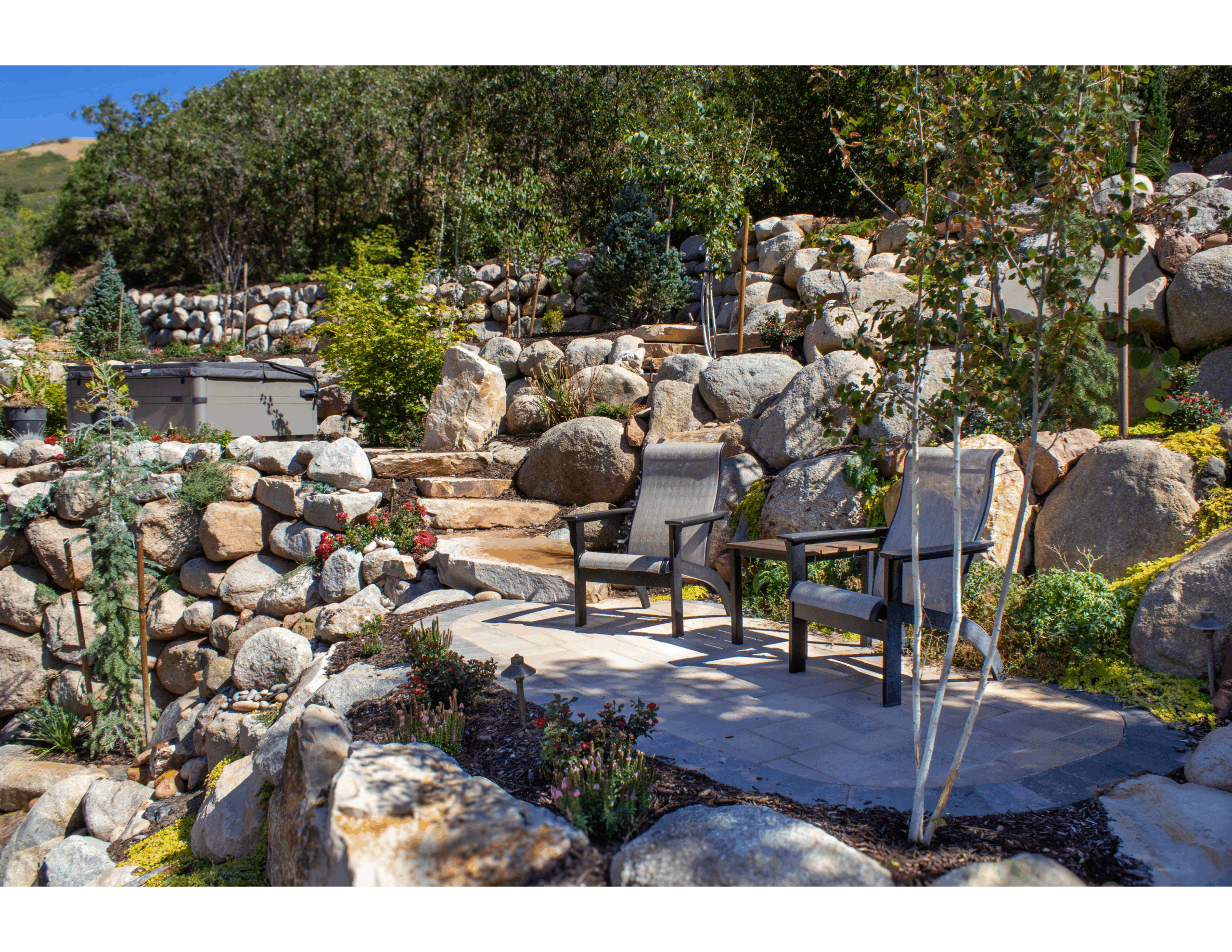
Creating multiple flat levels supported by retaining walls is one of the most effective ways to make a sloped yard genuinely usable. Natural stone, timber, or modern concrete blocks can match a home’s existing style while controlling erosion and creating defined, level spaces for the rest of the design to build around.
Natural Rock Gardens
Boulders, river rock, and drought-tolerant plants can turn a steep, hard-to-manage section of slope into a genuinely attractive, low-maintenance rock garden — one of the more practical solutions for areas too steep to terrace but too visible to leave unaddressed.
Staircases and Meandering Paths
Connecting different levels of a sloped yard with stone steps or winding gravel paths makes the space easily accessible while adding real visual dynamism. A straight, steep path is both uncomfortable and a fall risk; a thoughtfully routed path manages the grade change while inviting exploration of the yard.
Water Features That Follow the Slope
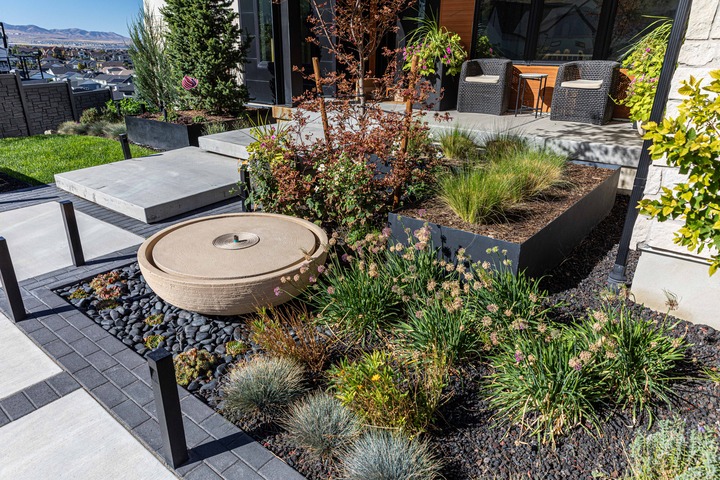
A sloped property’s existing elevation change is a natural fit for cascading waterfalls, dry creek beds, or tiered fountains — features that need exactly the kind of grade change a flat yard doesn’t have, turning what could be a design obstacle into a genuine asset.
Multi-Level Decks and Patios
Tiered entertainment spaces make the most of both the view and the terrain, providing distinct areas for dining, lounging, or a fire pit across different levels rather than cramming every function into one flat zone.
Native Plants That Stabilize the Slope
Utah-native species like serviceberry, creeping mahonia, and penstemon help stabilize soil across a slope while creating a natural, cohesive look that fits the region rather than looking imported. Their established root systems do real structural work in preventing erosion, not just adding visual interest.
Essential Tips for Hillside Success
Proper grading and drainage systems are non-negotiable on a slope — without them, water damage and erosion are close to guaranteed. Layering plantings with taller species at the top, medium plants in the middle, and low ground covers at the bottom creates visual balance while reinforcing the slope structurally. Mulching around plants reduces erosion and locks in moisture, and uplighting along walls, paths, and stairs makes a hillside landscape usable and genuinely dramatic after dark.
Frequently Asked Questions
Do I need a retaining wall for my sloped yard?
Retaining walls are strongly recommended for steeper slopes, both to prevent erosion and to create genuinely usable flat space within the yard.
Can a very steep slope still be landscaped effectively?
Yes — professional solutions like terracing, rock gardens, and tiered plantings make even steep slopes functional and attractive rather than a permanent liability.
What are the best plants for a sloped Utah yard?
Drought-tolerant natives such as blue grama grass, yarrow, and creeping juniper thrive on slopes while helping prevent erosion through their root structure.
Let Millburn Lawn & Landscape help you design a stunning, functional sloped yard tailored to your property. Schedule your hillside landscape consultation today.