Salt Lake City’s climate swings from arid summers to genuinely cold, snowy winters, which means a landscape that looks great in June can struggle by January without a proactive, season-by-season maintenance approach.
Why Seasonal Maintenance Matters Here
Utah’s dramatic seasonal shifts put real stress on plants, lawns, and hardscape alike. Consistent seasonal care prevents costly damage from frost, drought, or pests before it happens, keeps plants healthier through timely pruning, fertilizing, and watering, and helps preserve hardscape features like patios and retaining walls that would otherwise take on freeze-thaw damage unaddressed.
Spring: Revive and Prepare
Removing fallen branches, leaves, and winter mulch left over from the cold months prevents mold and pest issues from taking hold as temperatures rise. Aerating compacted soil improves water absorption, and a slow-release fertilizer application nourishes grass and plants heading into their main growing season. This is also the right time to inspect irrigation systems for winter leaks and adjust zone schedules as temperatures climb.
Summer: Protect and Nourish
Watering lawns early in the morning reduces water lost to evaporation compared to midday watering, and deep, infrequent watering encourages roots to grow deeper in search of moisture rather than staying shallow and vulnerable to heat stress. Refreshing mulch around beds retains soil moisture, suppresses weeds, and insulates roots from Utah’s intense summer sun. Strategic pruning — trimming flowering shrubs after blooms fade and removing dead branches — keeps plants directing energy toward healthy new growth.
Fall: Prepare for Winter
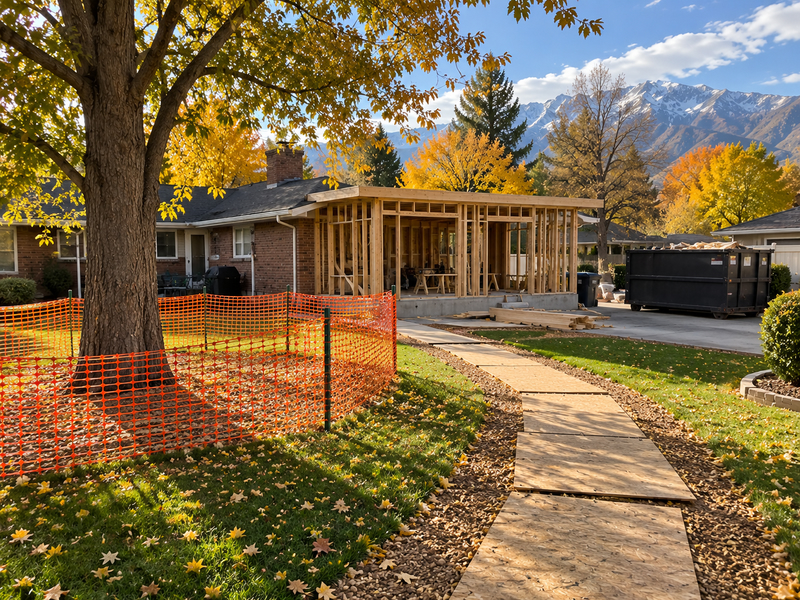
Raking and composting leaves clears the lawn before it can be suffocated under a wet layer of debris, while also producing nutrient-rich material for next spring’s beds. Winterizing irrigation — draining lines and blowing out sprinkler systems before the first freeze — prevents the pipe damage that comes from water left standing through a hard freeze. Fall is also the window for sowing winter rye grass for year-round green and planting spring-blooming bulbs like tulips and daffodils.
Winter: Monitor and Maintain
Wrapping delicate trees like Japanese maples in burlap and covering perennials with frost cloth protects them from Utah’s harshest cold snaps. Gently brushing heavy snow off branches prevents breakage under the weight, and using sand or pet-safe ice melt rather than salt on walkways protects nearby plants and soil from salt damage. Winter is also a good time to plan next season’s layout or consult a professional about upgrades before the spring rush begins.
Why Professional Seasonal Care Makes a Difference
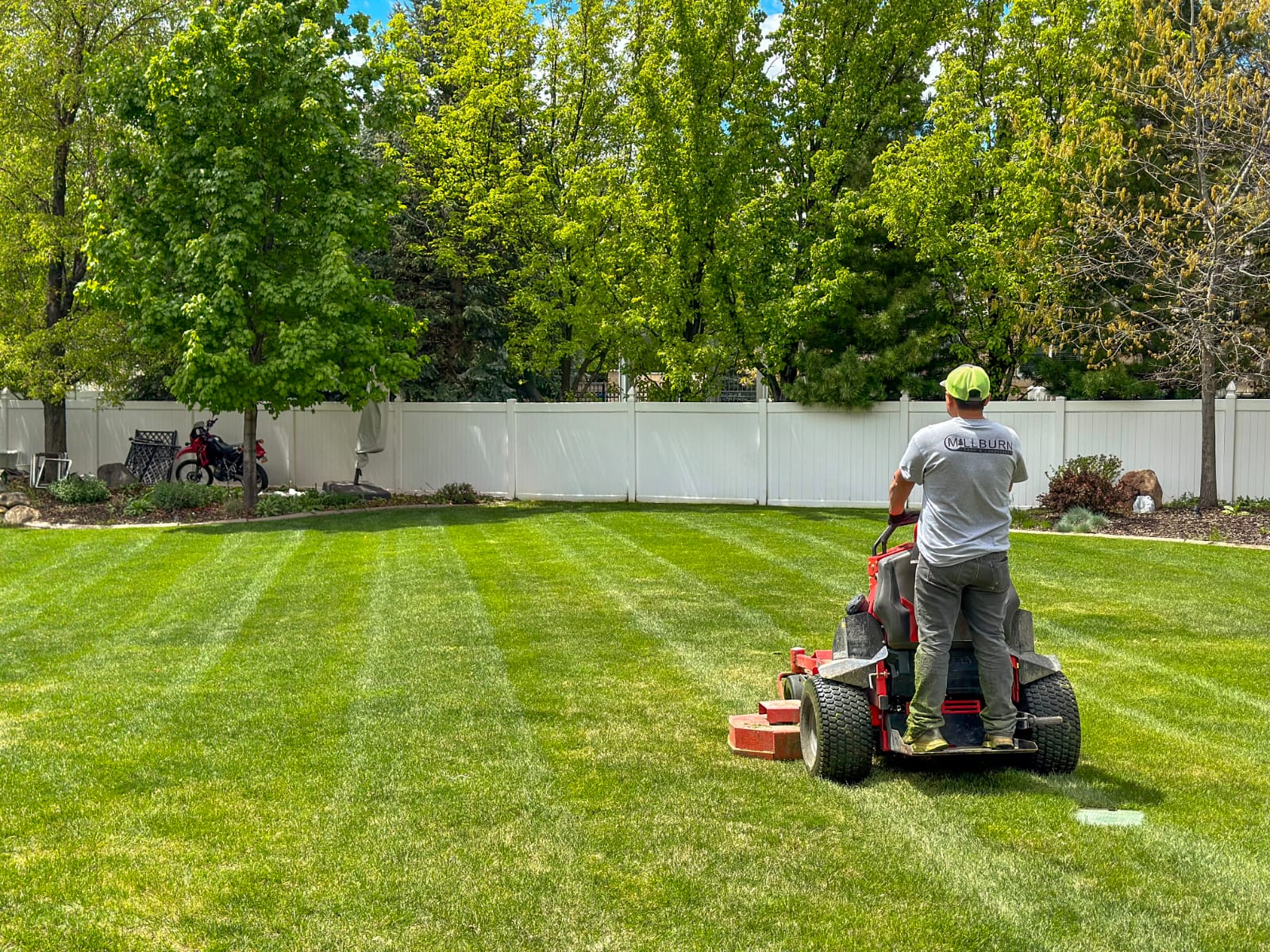
DIY care handles small routine tasks well, but a professional maintenance schedule ensures tasks like pruning and fertilizing happen at genuinely optimal times, uses commercial-grade tools for more efficient results, and adapts to Utah’s specific soil, weather, and native plant needs rather than a one-size-fits-all calendar.
Frequently Asked Questions
How often should I fertilize my lawn in Salt Lake City?
Cool-season grasses like Kentucky bluegrass generally benefit most from fertilizing in early spring and fall, while warm-season grasses need feeding concentrated in summer.
Can I prune trees in winter?
Yes — dormant pruning in late winter reduces disease risk compared to pruning during active growth, and encourages stronger growth once spring arrives.
What’s the best mulch for Utah’s climate?
Organic options like wood chips or bark retain moisture effectively and improve soil health over time as they break down.
Adjusting Your Approach as Utah’s Weather Shifts Year to Year
Utah’s seasonal timing can shift meaningfully from one year to the next — an early frost some falls, a late thaw in others — which means a rigid, calendar-based maintenance schedule doesn’t always serve a landscape as well as one that adjusts to actual conditions. Watching the weather and adjusting task timing accordingly, rather than following the same dates every year regardless of conditions, produces more consistent results.
Building a Maintenance Routine That Compounds Over Time
Consistent seasonal care doesn’t just prevent damage in any single season — it builds healthier soil, stronger root systems, and more resilient plants year over year. A yard that’s received proper seasonal attention for several years typically handles a harsh Utah winter or a punishing summer drought far better than one that’s only maintained reactively when problems appear.
Contact Millburn Lawn & Landscape for professional seasonal maintenance tailored to Salt Lake City’s climate, from spring cleanups through winter prep.