Owning a historic home in Salt Lake City comes with a genuine balancing act when it’s time to update the landscaping — preserving the character that makes the property special while still adding modern function, style, and water-wise sustainability.
What Historic Salt Lake City Homes Need From Their Landscaping
Neighborhoods like The Avenues, Capitol Hill, and Sugar House feature distinctive architecture and decades of established character — stone foundations or brick facades, mature shade trees, and often narrow lot lines that limit layout options. Landscape design for these properties has to reflect that traditional charm while still enhancing usability, conserving water, and genuinely increasing curb appeal, which is where thoughtful, custom design becomes essential rather than optional.
Preserve What’s Already Worth Keeping
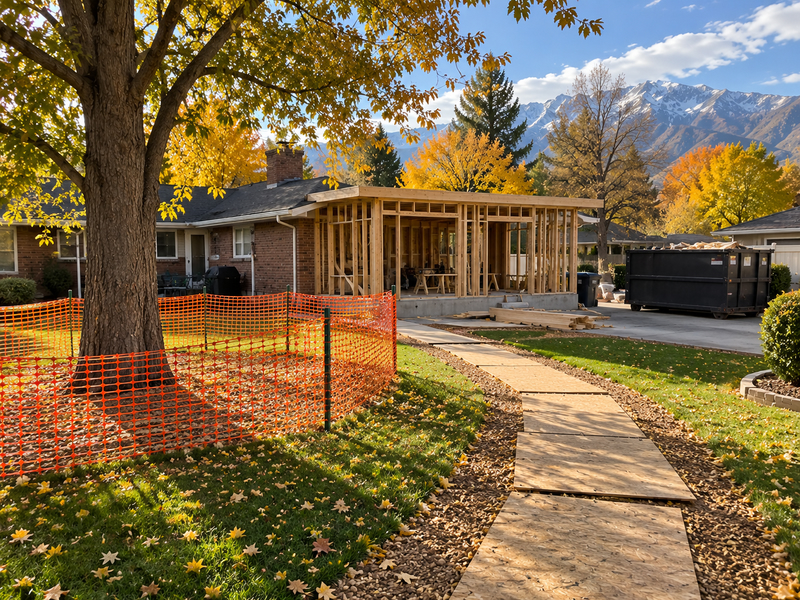
Before introducing anything new, it’s worth genuinely assessing what deserves preservation. Mature trees, old stone paths, wrought-iron fencing, or heirloom rose bushes can often be integrated directly into an updated design rather than removed. Restoring existing hardscape frequently brings out a home’s vintage character more effectively than replacing it outright.
Introduce Clean, Modern Lines Without Clashing
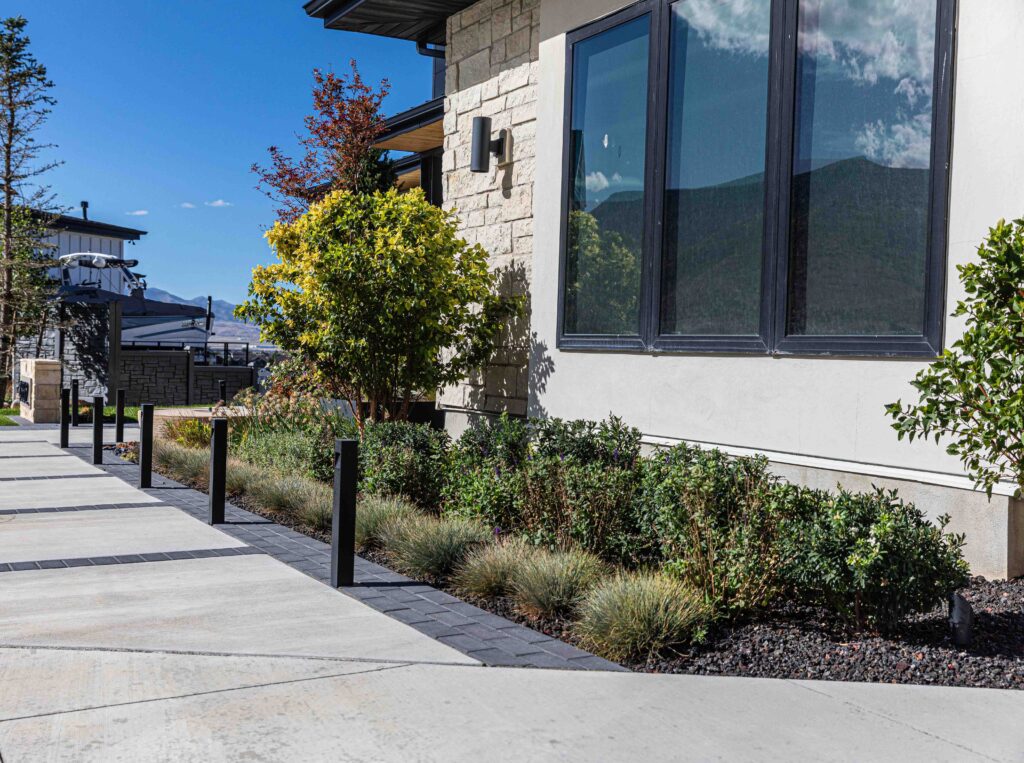
Balancing historic features with modern touches — sleek concrete or decomposed granite walkways, low-profile lighting, raised garden beds with clean edges — provides visual contrast and improved functionality without overpowering older architectural details already present on the property.
Mix Traditional and Native Plantings
Honoring classic aesthetics with heritage plants like boxwoods, lavender, or climbing roses, then blending in drought-tolerant native Utah species like Apache plume, blue grama grass, and Utah sweetvetch, supports genuine water conservation and local ecology while still looking timeless rather than jarringly modern.
Modernize Outdoor Living Without Losing Character
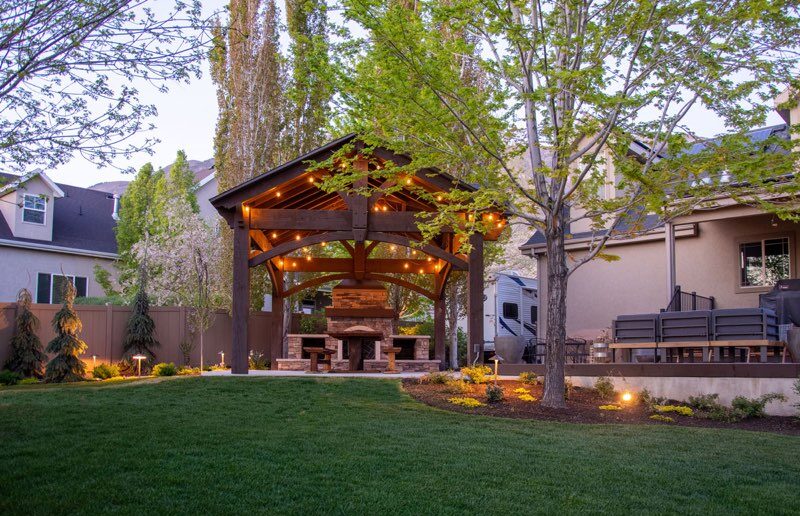
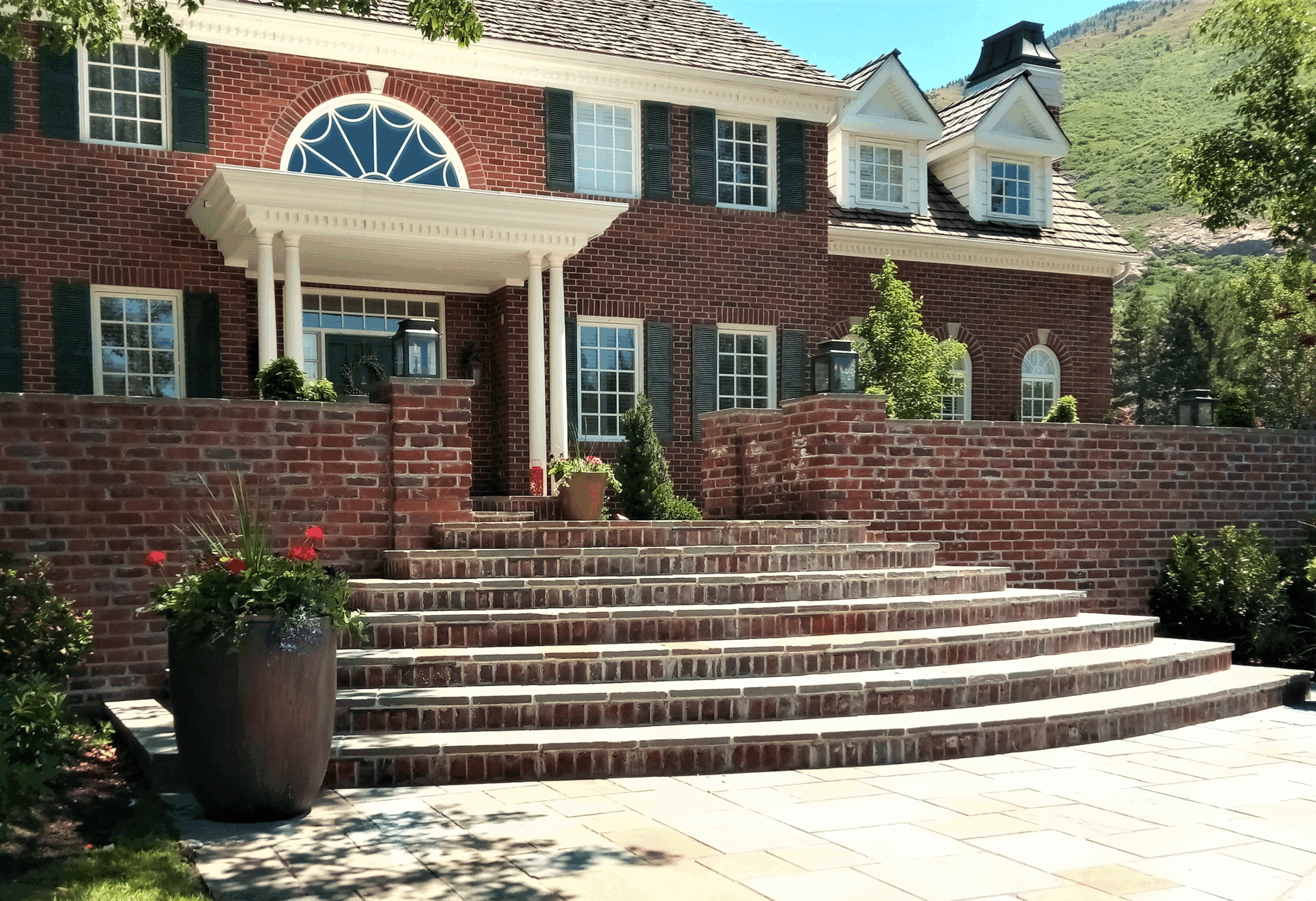
Brick patios that complement existing facades, pergolas built from reclaimed wood, and gas fire pits or minimalist water features create genuinely inviting spaces for relaxing or entertaining. Careful scaling and material choices keep these additions harmonized with the home’s era rather than feeling out of place.
Working Within Historic Preservation Guidelines
Some Salt Lake City neighborhoods have preservation guidelines that affect what’s allowed in visible landscaping changes. Working with designers experienced in these requirements keeps a new landscape genuinely compliant with local historical ordinances, avoiding the cost and frustration of a design that needs revision after installation.
Why Professional Experience Matters More on Historic Properties
Designing around a home’s history takes more than creativity — it takes genuine knowledge of period-appropriate materials, soil and drainage solutions suited to older lots, and the judgment to elevate property value without altering the historical character that makes the home distinctive in the first place.
Frequently Asked Questions
Can I use modern materials in a historic landscape design?
Yes — used thoughtfully, materials like steel, gravel, or concrete can enhance functionality without overpowering the property’s historic elements.
Will updated landscaping increase a historic home’s value?
Thoughtful landscaping generally boosts curb appeal and overall property value while genuinely enhancing livability, even on a property with preservation requirements.
Is it possible to create a water-wise landscape without losing historic charm?
Yes — by combining native plants with strategic layout planning, a property can maintain both beauty and sustainability without sacrificing its character.
Handling Mature Trees in a Redesign
Established trees are often a historic property’s most valuable landscaping asset, and protecting their root zones during any redesign work is essential. Avoiding heavy excavation or compaction near a mature tree’s canopy line, and routing new hardscape or irrigation around rather than through its root system, preserves a feature that would take decades to replace if damaged during construction.
Working With a Sloped or Narrow Historic Lot
Many of Salt Lake City’s older neighborhoods sit on lots with real grade changes or narrow side-yard access that limits how construction equipment can move through the property. A designer experienced with historic properties plans installation sequencing around these constraints from the start, rather than discovering access problems once work is already underway.
Schedule a custom landscape design consultation with Millburn Lawn & Landscape — we specialize in landscaping tailored for historic Salt Lake City homes.