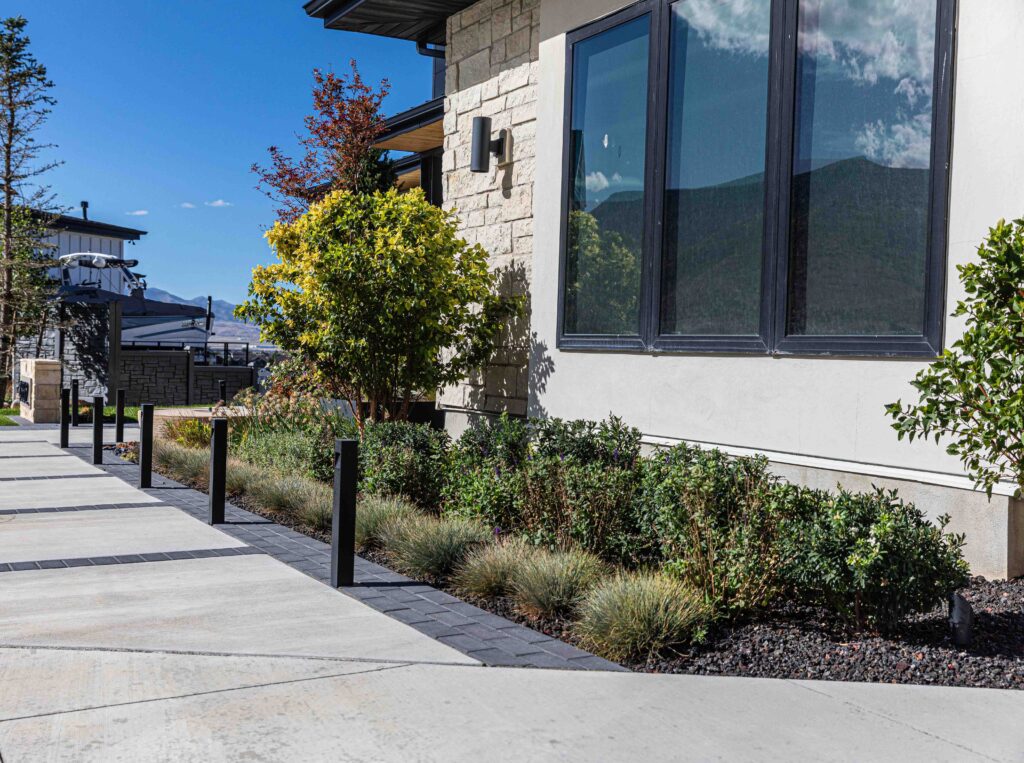
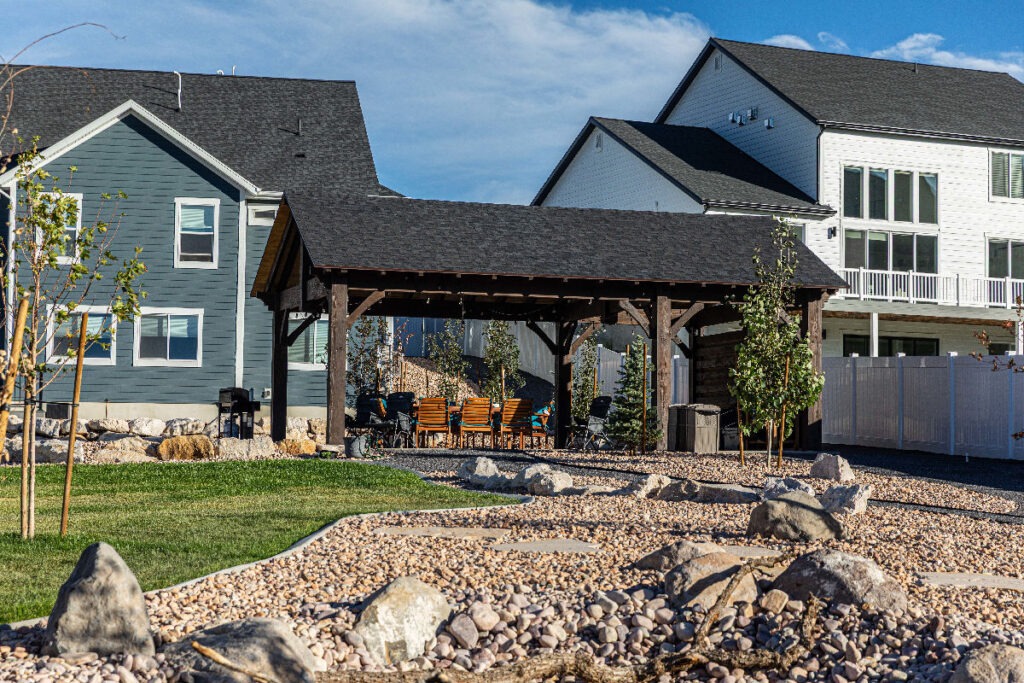
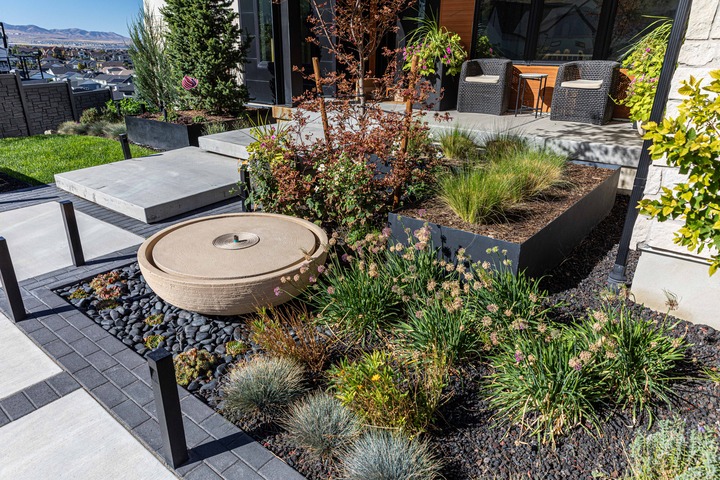
Healthcare facility exteriors do more work than most administrators realize — the outdoor landscape shapes patient perception before anyone reaches the front desk, and weekly lawn mowing and fertilization is the maintenance baseline that keeps that first impression consistent.
Curb Appeal Sets the Tone Before Patients Walk In
A well-manicured lawn creates a positive initial impression that carries into how patients perceive the quality of care waiting for them inside. In healthcare specifically, where patients are often already anxious about their visit, a calm, well-maintained exterior can genuinely ease that first impression rather than adding to it.
Professional Image Reinforces Trust
A neatly maintained exterior reflects the same attention to detail patients hope to find in their clinical care — it’s a small but real signal of the facility’s overall standards. Healthcare providers spend significant effort building trust and credibility with patients; a neglected exterior works against that effort in a way that’s entirely avoidable with routine landscape maintenance.
Safety and Accessibility Matter More in Healthcare Settings
Overgrown grass and weeds create real hazards — obscured walkway edges, tripping risks, hiding spots for pests — that carry heightened consequence for a population that includes elderly or mobility-limited patients. Weekly mowing keeps pathways and entrances consistently clear and accessible, reducing fall risk for exactly the population most vulnerable to it.
Healthy Turf Supports the Surrounding Environment
Beyond appearance, healthy, well-maintained grass absorbs rainwater, reduces erosion, and helps filter pollutants — functional benefits that support a cleaner surrounding environment for a facility, in addition to the visual ones. Regular fertilization keeps turf dense enough to perform these functions effectively rather than thinning into bare patches that don’t offer the same benefit.
Green Space and Patient Well-Being
Time spent around well-maintained green space has a documented calming effect, and for patients, families, and staff navigating a clinical environment, a genuinely pleasant exterior landscape offers a small but real retreat from that setting. This isn’t purely a landscaping benefit — it connects directly to the broader patient experience a healthcare facility is trying to create.
Why Weekly Service Matters More in Healthcare Than Elsewhere
Unlike a property where occasional maintenance drift goes mostly unnoticed, a healthcare facility’s exterior is scrutinized by an anxious, observant population multiple times a day, year-round. Weekly mowing and fertilization keeps the exterior consistently at the standard patients expect, rather than fluctuating between well-maintained and visibly neglected depending on how recently service occurred.
Frequently Asked Questions
Why does weekly lawn care matter more for healthcare facilities than other commercial properties?
Patients are often more observant and anxious during a healthcare visit, making a facility’s exterior condition a more noticeable and impactful signal than it would be at a typical retail or office property.
Does lawn maintenance actually affect patient safety at a healthcare facility?
Yes — overgrown grass and unclear walkway edges create trip hazards that carry heightened risk for elderly or mobility-limited patients, a population disproportionately represented at many healthcare facilities.
Should healthcare facility landscaping use organic or synthetic fertilization?
Either can be effective; organic approaches often align with a facility’s broader environmental and wellness messaging, while synthetic options can offer more predictable, faster results — a landscaping partner can help determine the right fit for the property’s goals.
Coordinating Landscape Maintenance With Facility Operations
Healthcare facilities operate on schedules that don’t pause for routine maintenance, which means lawn care timing needs to work around patient flow, ambulance access, and parking availability rather than disrupting them. Scheduling mowing during lower-traffic hours and coordinating directly with facility management on access needs keeps maintenance from becoming its own operational disruption.
Choosing a Provider Experienced With Healthcare Properties
Not every landscaping company is equipped to work around the specific operational needs of a healthcare facility — quiet equipment operation near patient areas, careful coordination around emergency access points, and flexibility for facilities that never fully close. Asking prospective providers about their experience with similar properties helps ensure the maintenance schedule actually fits how the facility operates, not just a generic commercial routine.
Millburn Lawn & Landscape provides weekly lawn care for Salt Lake City healthcare facilities. Call us to set up a maintenance plan that matches your standards.